
Emergency reverse osmosis
How to run a reverse osmosis system without mains power or pressure, what to store for an outage, and the limits of RO in an emergency.
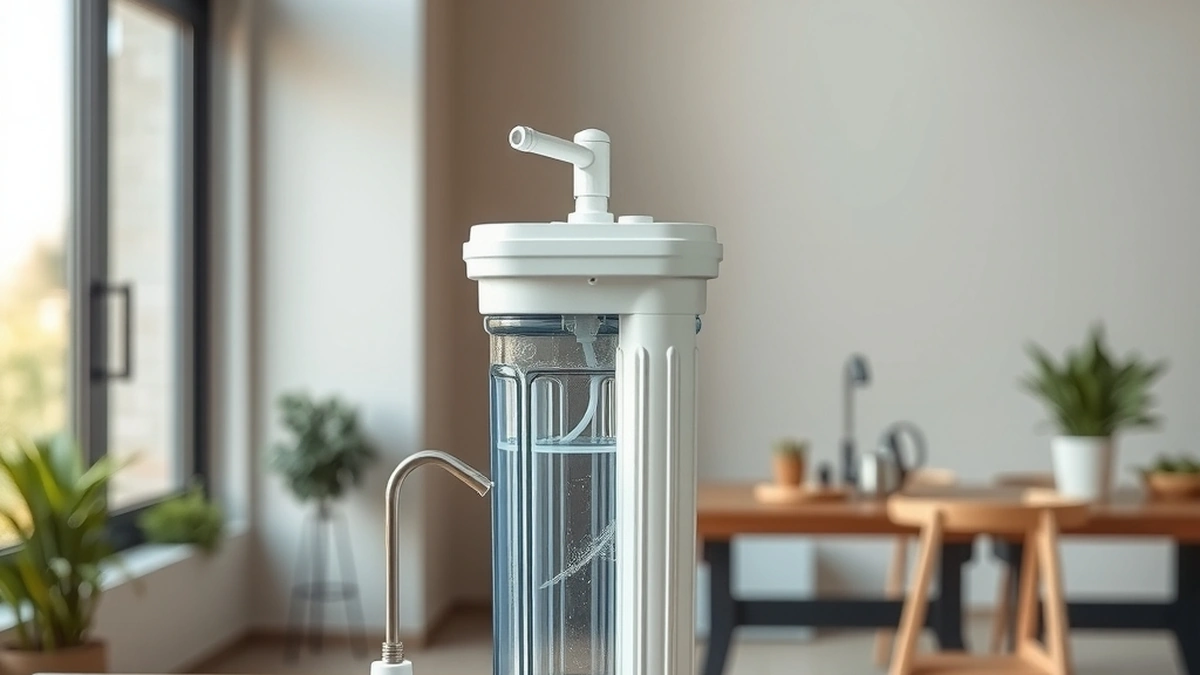
A standard under-sink reverse osmosis system needs line pressure and, on tankless models, power, so it stops working in an outage. Emergency options are a stored water supply, a hand-pump RO unit, or a 12 volt RO system run from a battery.
- Standard RO in outage
- Stops without pressure or power
- Hand pump RO
- $150 - $400
- 12 volt RO
- $300 - $800
- Stored water
- 1 gallon per person per day
- Membrane life
- 2 - 3 years
Some links on this page are affiliate links.If you buy through them we may earn a commission at no extra cost to you. We do not accept payment for rankings. Read the full disclosure.
A standard under-sink reverse osmosis system is not an emergency device. It needs water pressure to push water across the membrane, and tankless models need electricity. In an outage, the tank holds a few gallons and then the system stops.
Why RO Stops in an Outage
Reverse osmosis is a pressure process. Water is forced against a semi-permeable membrane at roughly 40 psi or more, and without that pressure nothing crosses.
On a municipal supply, pressure usually survives a power outage because the utility pumps are on backup power. The RO system keeps making water as long as the tank has pressure behind it.
On a private well, the pump needs electricity. When the power goes out, the pressure tank delivers whatever it holds, then the supply stops. The RO system has nothing to work with, and the 2 to 4 gallons in its storage tank are the entire reserve.
Tankless and boosted systems are worse off. They need power for the pump and controls, so they stop immediately even if the supply is still pressurized.
What Actually Helps
Three approaches, in order of practicality.
Stored water. The simplest and most reliable. One gallon per person per day for drinking and basic hygiene, with a three-day minimum and two weeks preferred. Store it in food-grade containers, rotate it, and keep it out of sunlight.
A hand-pump RO unit. A manual pump generates the pressure the membrane needs. These produce a small volume slowly, typically a few quarts per hour of effort, and they suit individual drinking water rather than a household supply.
A 12 volt RO system. A small boost pump runs from a battery or a vehicle circuit, producing water from a pressurized or pumped source at a low rate. Useful for a cabin or an extended outage with a generator.
| Option | Cost | Output | Power |
|---|---|---|---|
| Stored water | Low | Immediate | None |
| Hand pump RO | $150 - $400 | Quarts per hour | Manual |
| 12 volt RO | $300 - $800 | Gallons per day | 12 V battery |
| Standard RO | $300 - $900 | 50 - 75 gpd | Line pressure |
Storing Water Properly
The container matters as much as the water. Food-grade polyethylene drums, dedicated water storage bags, and clean soda bottles all work. Milk jugs do not, because the residue feeds bacteria.
Fill from a treated municipal tap, cap tightly, and store in a cool dark place. Rotate every six months. If the water is from a well, treat it before storage: boiling or a certified disinfectant dose, following public health guidance.
Label the containers with the fill date. A rotation schedule only works if you can see when it started.
Hand Pump Units in Practice
A hand-pump RO unit is a small membrane housing with a manual pump, a pre-filter, and a product outlet. You fill the feed chamber, pump, and collect product water.
The output is limited by human effort. A few quarts per hour is realistic, which is enough for drinking and cooking for one or two people and not enough for a household.
The membrane still needs protection. Feed water with sediment or high turbidity blinds it quickly, so a pre-filter and a settling step matter. A hand pump is not a licence to put muddy water straight through a membrane.
The Limits in an Emergency
RO removes dissolved contaminants and improves taste. It is not a disinfectant, and a compromised membrane can pass microorganisms.
In a true emergency where the supply may be contaminated, the priority order is disinfection first, then filtration. Boiling is the most reliable disinfection method, and it requires fuel. Chemical disinfection requires a dose and a contact time.
An RO system used on water of unknown quality is a taste and dissolved-solids tool, not a safety barrier.
Five Steps to Prepare
- Store 1 gallon per person per day, with a two-week target.
- Keep a hand-pump RO if you have no other way to treat water.
- Stock pre-filters for the hand pump, since they clog first.
- Store a disinfection method, such as unscented bleach and a dropper.
- Test the plan once, so you know how the equipment behaves before you need it.
What Not to Do
Do not rely on the under-sink tank as your emergency supply. It holds 2 to 4 gallons, and the bladder loses pressure over time.
Do not run an RO system on water you have not disinfected if the source may be contaminated. The membrane is not a microbiological barrier.
Do not store water in containers that held anything other than food or water. Residue is difficult to remove and feeds bacteria.
Do not assume a generator solves it. A generator can run the well pump and the RO, but fuel storage and maintenance become the new constraints.
Planning Around the System You Have
A household with a well and an RO system should treat the RO as a convenience device and the stored water as the emergency plan. A household on municipal water has more margin, because pressure often survives an outage and the RO tank holds a day or two of drinking water.
Either way, the decision is the same: store water, keep a disinfection method, and treat the RO as a taste improvement rather than a lifeline.
For the system itself, see reverse osmosis water filter. For water treatment in a well outage, well pump versus treatment covers the supply side, and well water testing covers what to check when service returns.
Frequently asked questions
Will my reverse osmosis system work during a power outage?
A tank-style unit may deliver the water already in its storage tank, but it will not produce more without supply pressure; tankless and boosted systems stop immediately without power.
Can I run an RO system without electricity?
A tank-style unit needs no electricity, only water pressure, so it works on a pressurized supply; a hand-pump RO unit needs neither and is the true off-grid option.
How much water should I store for an emergency?
A common planning figure is 1 gallon per person per day for drinking and basic hygiene, with a minimum of three days and preferably two weeks.
Do hand-pump RO units really work?
Yes, they use a manual pump to generate the pressure a membrane needs, producing a small volume slowly; they suit individual drinking water rather than household supply.
Is stored tap water safe without treatment?
Water stored from a treated municipal supply is generally safe for a period if the container is clean and sealed; well water should be treated before storage.
Can I use a 12 volt RO system from a car battery?
Yes, these units run a small boost pump from a 12 volt supply and can produce drinking water from a pressurized or pumped source, at a low production rate.
Sources
Some links are affiliate links.If you buy through them we may earn a commission at no extra cost to you. We do not accept payment for rankings. Read the full disclosure.


