
Filter refrigerator water filter
Fridge filters are proprietary cartridges that cost more per gallon than under-sink filters. See how to identify yours, cross-reference it, and change it.
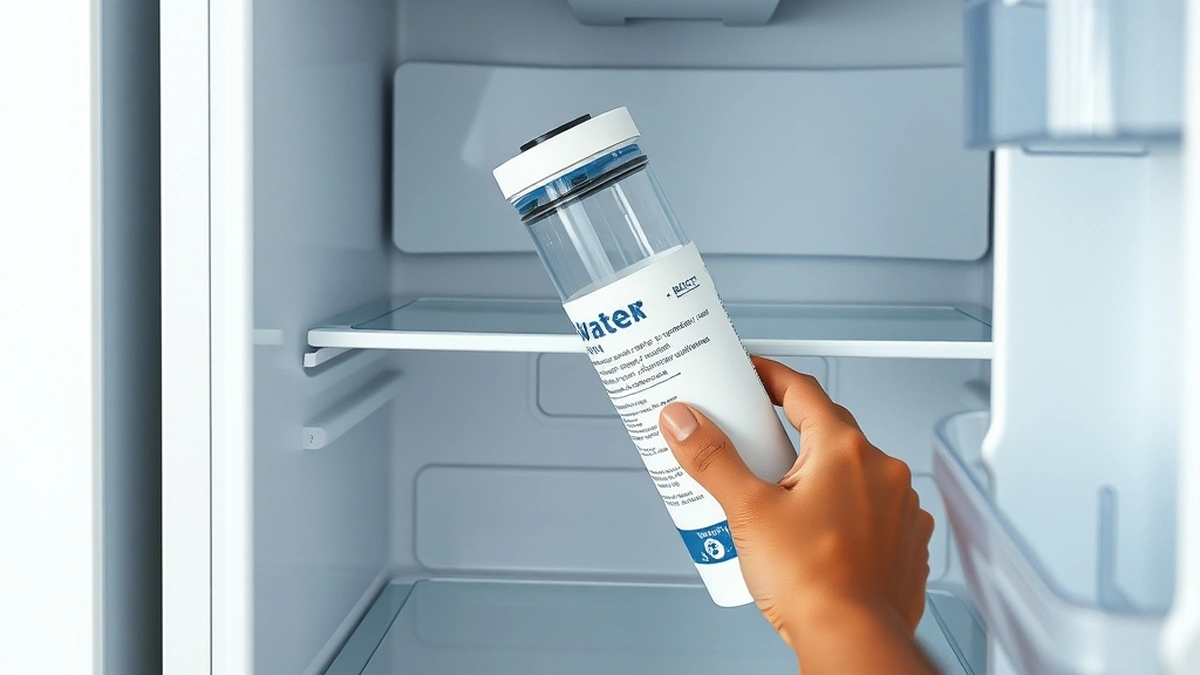
A refrigerator water filter is a proprietary cartridge inside the fridge that treats water for the dispenser and ice maker, costing $20 to $60 and lasting about 6 months or 200 to 300 gallons. Cross-reference the model number before buying a replacement.
- Cartridge cost
- $20 - $60
- Change interval
- About 6 months
- Volume rating
- 200 - 300 gallons
- Certification
- NSF/ANSI 42, some 53
- Housing
- Inside fridge or grille
Some links on this page are affiliate links.If you buy through them we may earn a commission at no extra cost to you. We do not accept payment for rankings. Read the full disclosure.
A refrigerator water filter is a cartridge inside the fridge that treats water for the dispenser and the ice maker. It is proprietary, costs $20 to $60, and lasts about six months or 200 to 300 gallons. The single most useful thing to know is your exact cartridge number, because the wrong one will not fit and the right one is cheaper from some sellers than others.
Why Fridge Filters Cost More
A standard 10-inch under-sink cartridge costs $5 to $20. A fridge cartridge costs $20 to $60 for a fraction of the volume.
The difference is not the media. It is the connector. Appliance makers design a keyed housing so only their cartridge fits, which limits competition and supports the price.
| Filter type | Cost | Volume | Cost per gallon |
|---|---|---|---|
| Fridge cartridge | $20 - $60 | 200 - 300 gal | $0.07 - $0.30 |
| Under-sink 10-inch | $5 - $40 | 500 - 1,500 gal | $0.01 - $0.08 |
| Pitcher cartridge | $6 - $20 | 40 gal | $0.15 - $0.50 |
The fridge filter is not a scandal, but it is the most expensive way to treat drinking water per gallon. A household that drinks mostly from the dispenser is paying for convenience.
That convenience is real, and it is the reason the format persists. Water at the door, cold, with no pitcher to fill. If the alternative is bottled water at $1 per gallon, the fridge cartridge is still a bargain. If the alternative is an under-sink filter at $0.02 per gallon, it is not.
Finding Your Cartridge
Three reliable sources, in order of speed.
- The old cartridge. Pull it out and read the part number printed on the label or molded into the body.
- The fridge label. Many models have a sticker inside the door or on the frame listing the filter number.
- The model number. Find the fridge’s model plate, usually inside the fresh food compartment, and use the manufacturer’s filter finder.
Write the number on a note inside the cabinet. Cartridge numbers change with model years, and a fridge bought eight years ago may take a filter that is no longer on the shelf under the same name.
OEM vs Aftermarket
Aftermarket cartridges are cheaper and sometimes identical, because the same factories make both. The question is certification.
A legitimate aftermarket cartridge will state that it is certified to NSF/ANSI 42 for the specific OEM model it replaces. The certification listing should name the model. A cartridge that says “compatible with” without a certification is a fit gamble.
| Option | Price | Risk |
|---|---|---|
| OEM | $35 - $60 | Low |
| Certified aftermarket | $20 - $35 | Low if listed |
| Uncertified aftermarket | $10 - $20 | Fit and performance |
For a household that only uses the dispenser occasionally, an uncertified cartridge is a minor risk. For a household that drinks from it daily, the certified option is worth the difference.
When to Change It
Six months or 200 to 300 gallons is the standard. Three signs say sooner.
Flow slows. A restricted cartridge is loading up. If the dispenser trickles, change it.
Taste changes. Chlorine breaking through is the clearest sign the carbon is spent.
Ice looks cloudy or smells. The ice maker uses the same filter, and ice concentrates odours.
Some fridges have a filter indicator light. Treat it as a reminder, not a sensor; most are timers that assume average use.
There is a practical way to date a cartridge without relying on the light. Write the install date on the cartridge body with a permanent marker before inserting it. Six months later the number is right there when you open the housing, which is more reliable than an app reminder you will ignore.
The Bypass Option
Most fridges ship with a bypass plug that replaces the cartridge and sends unfiltered water to the dispenser. It exists so the fridge can be used if a filter is unavailable.
That is useful if you already have a whole-house carbon filter or an under-sink RO feeding the fridge line. In that case the fridge cartridge is redundant, and the bypass saves $20 to $60 a year.
If the fridge is the only treatment in the house, do not bypass it permanently. It is doing real work for the dispenser and the ice.
Five Steps to Replace
- Locate the housing, usually inside the fridge compartment or behind the base grille.
- Twist or pull the old cartridge out per the manual; some require a quarter turn.
- Remove the protective cap from the new cartridge and insert it fully.
- Flush 2 to 3 gallons through the dispenser to clear carbon fines and air.
- Reset the indicator by holding the filter button for three seconds.
What Fridge Filters Do Not Do
They do not soften. They do not remove nitrate. They do not disinfect. A fridge filter is a small carbon cartridge, and its job is chlorine, taste, and odour.
If the water report shows nitrate near 10 mg/L or a metal above its limit, the fridge dispenser is not the place to solve it. An under-sink RO at $300 to $900 installed is, and the fridge can then be fed from the RO or bypassed.
If hardness is the issue, no fridge filter helps. Hard water filter covers what does, under sink water filter covers the format that treats more water for less per gallon, and water filter for sink covers the faucet alternatives.
Frequently asked questions
How do I find my refrigerator water filter model?
Look on the old cartridge for a part number, or check the label inside the fridge door, the owner's manual, or the manufacturer's filter finder using the fridge model number.
How often should a fridge water filter be changed?
About every six months or 200 to 300 gallons, whichever comes first, and sooner if the dispenser flow slows or the ice tastes odd.
Are aftermarket fridge filters as good as OEM?
Some are, if they carry the same NSF certification for the same model; unbranded cartridges without a certification listing are a gamble on fit and performance.
Why is my fridge filter so expensive?
Proprietary cartridge shapes limit competition, so prices run $20 to $60 compared with $5 to $20 for a standard 10-inch under-sink cartridge.
Can I bypass the fridge filter?
Many fridges have a bypass plug that lets you run unfiltered water if the filter is unavailable, which is useful temporarily but not a long-term solution.
Do fridge filters remove lead?
Only models certified to NSF/ANSI 53 for lead reduction; most standard fridge cartridges are certified for taste and chlorine under 42.
Sources
Some links are affiliate links.If you buy through them we may earn a commission at no extra cost to you. We do not accept payment for rankings. Read the full disclosure.


