
Water Softener Salt Bridge: Diagnosis and Fix
A salt bridge is a hard crust that starves the brine draw while the tank looks full. See how to test for it, break it, and stop it coming back.
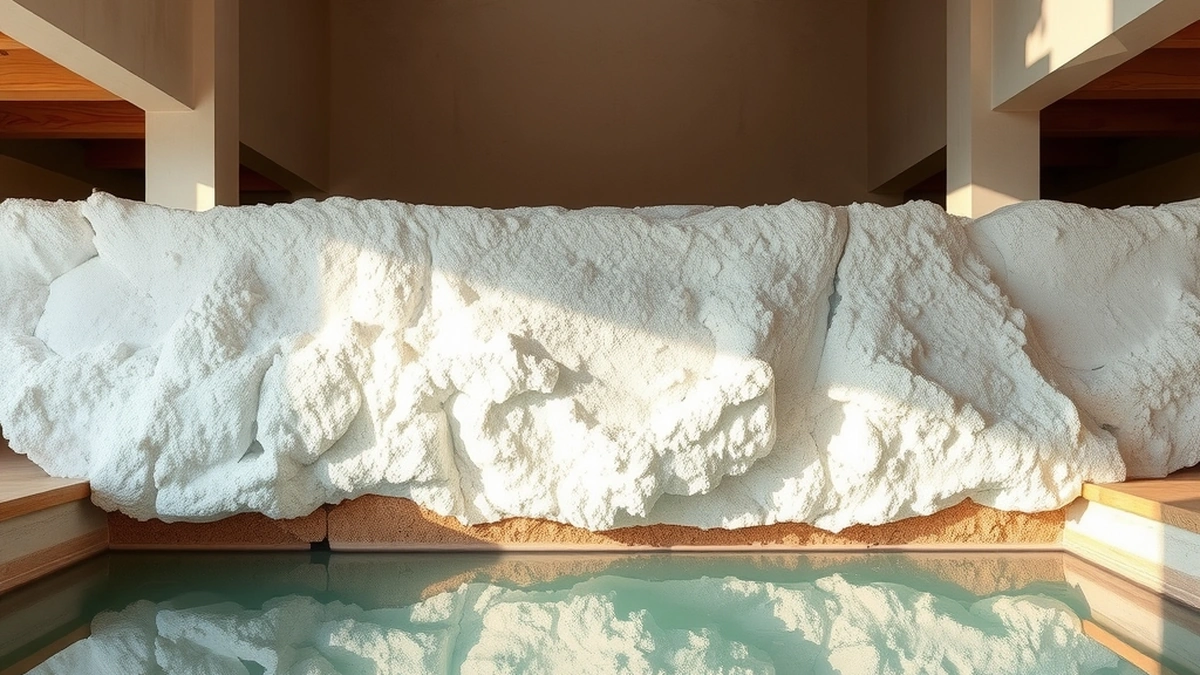
A water softener salt bridge is a hardened crust of salt above the water line that blocks brine from forming. The softener regenerates with weak brine, so the water turns hard while the tank looks full. Break the crust, stir the salt, and lower the fill level.
- Repair cost, DIY
- $0
- Service call
- $100 - $250
- Salt per regeneration
- 8 - 12 lb
- Tank fill level
- Half to two-thirds
- Annual salt cost
- $120 - $400
Some links on this page are affiliate links.If you buy through them we may earn a commission at no extra cost to you. We do not accept payment for rankings. Read the full disclosure.
A water softener salt bridge is a hard, hollow crust of salt that forms above the water line and blocks the salt below from dissolving. The softener keeps regenerating, but with weak brine, so the water gradually turns hard while the tank still looks full.
What a Bridge Looks Like
The tank appears normal from above: salt up to the usual level, lid on, no obvious problem. Beneath the surface, the salt has fused into a shelf, and water sits in a cavity below it instead of circulating through the bed.
Push a broom handle down through the salt. If it stops on a hard layer a few inches below the surface, that is the bridge. If it goes down to the bottom with steady resistance, the salt is fine.
The other clue is water behavior. The softener runs, salt disappears slowly or not at all, and the shower starts feeling hard again. Those symptoms with a full tank point to the brine side, not the resin.
Why Bridges Form
Moisture is the root cause. Salt absorbs water from humid air, and the fines in coarse crystals hold it. When the surface dries, the damp salt fuses into a crust.
Filling the tank too high makes it worse. A full tank reduces air circulation, traps moisture, and puts weight on the salt below. Most manufacturers recommend half to two-thirds, not full.
Pouring new salt onto an old crust is another cause. The new salt sits on the shelf, the shelf hardens further, and the problem compounds. Break up the surface before adding a bag.
Diagnosing the Whole Brine Side
| Check | Normal | Problem sign |
|---|---|---|
| Salt level | Drops over weeks | Unchanged with hard water |
| Water in tank | Present below salt | None, or overfull |
| Bridge test | Rod reaches bottom | Rod stops on crust |
| Brine draw | Strong suction at valve | Weak or none |
| Injector screen | Clear | Clogged with salt or grit |
| Treated hardness | 0 - 2 GPG | 4+ GPG |
A bridge is not the only reason a softener stops softening. A clogged injector, a kinked brine line, a failed valve, or a wrong hardness setting produce the same symptom. The table is the order to check them.
The injector is worth particular attention. It is a small venturi that pulls brine out of the tank, and it clogs with salt or sediment over time. Cleaning it takes ten minutes and a small screwdriver.
Breaking the Bridge
- Put the softener in bypass or unplug it so it cannot start a cycle.
- Remove the lid and inspect the surface.
- Push a clean broom handle through the crust in several places.
- Stir the salt to break up chunks and mix the bed.
- Remove any solid pieces that will not break apart.
- Lower the salt level to two-thirds if the tank was overfilled.
- Restore power and run a manual regeneration.
- Test hardness after the cycle completes.
Do not pour hot water into the tank to dissolve the crust. It can crack the tank, and it creates a brine strong enough to overwhelm the valve. Mechanical breaking is the correct method.
Cleaning the Tank After a Bridge
A bridged tank usually has sludge underneath. Once a year, let the salt run low, scoop out the remaining salt, and remove the sludge with a wet vacuum or a scoop.
Rinse the tank, wipe the walls, and check the brine well and float. Refill with fresh salt and run a regeneration. A clean tank makes the next bridge easier to spot and less likely to form.
Preventing the Next One
Use pellets in a humid basement or garage. Pellets have fewer fines and resist caking better than coarse crystals. The price difference is $1 - $3 per bag, which is cheaper than a service call.
Keep the tank half to two-thirds full and the lid on. Check monthly, and stir the salt when you check. A two-minute habit prevents most bridges.
If the space is genuinely damp, a small dehumidifier or a vented lid helps. So does buying three to six bags at a time instead of a year’s supply that sits and absorbs moisture.
When the Bridge Is a Symptom
A bridge that returns every few months is telling you something about the installation, not the salt. The tank may be too large for the household, the fill level may be habitually too high, or the room may be damp enough to need a dehumidifier.
It can also point to a brine line problem. If the brine draw is weak, water sits in the tank longer than it should, the salt absorbs more moisture, and the crust forms faster. Checking the injector and the brine line is part of solving a recurring bridge.
A softener that is oversized for the household regenerates less often, so the water in the tank sits still for weeks. That stagnation encourages caking. A smaller unit or a lower fill level often solves it.
Finally, check that the brine well is not blocked. The well is the tube the brine is drawn through, and salt can pack around it. Clear the well, confirm the float moves freely, and run a manual regeneration to verify the draw.
For the full salt comparison, see softener salt types and water softener salt pellets. For the tank maintenance routine, see clean brine tank. If the unit runs constantly, see softener regenerating every night.
Frequently asked questions
How do I know if I have a salt bridge?
Push a broom handle down through the salt. If it stops on a hard layer above the water, you have a bridge. Soft water that suddenly turns hard with a full tank is the other clue.
What causes a salt bridge?
High humidity, an overfilled tank, pouring new salt onto an old crust, and using coarse crystals with many fines all increase the risk.
Can I break a salt bridge myself?
Yes. Turn off the unit, push a clean broom handle through the crust, stir the salt, and remove any solid chunks before restarting.
Does a salt bridge damage the softener?
It does not damage the resin directly, but repeated weak regenerations let hardness and iron accumulate on the bed, which reduces capacity over time.
How do I prevent a salt bridge?
Fill the tank only half to two-thirds, keep the lid on, use pellets in humid spaces, and break up crusts monthly before they harden.
Why is my softener using salt but not softening?
A bridge, a clogged injector, a failed brine draw, or a wrong hardness setting. Check the bridge first because it is the easiest to rule out.
Sources
Some links are affiliate links.If you buy through them we may earn a commission at no extra cost to you. We do not accept payment for rankings. Read the full disclosure.


