How to Clean a Brine Tank Without Damaging Your Softener
Step-by-step instructions for cleaning a water softener brine tank, including salt bridges, sludge removal, and maintenance intervals.
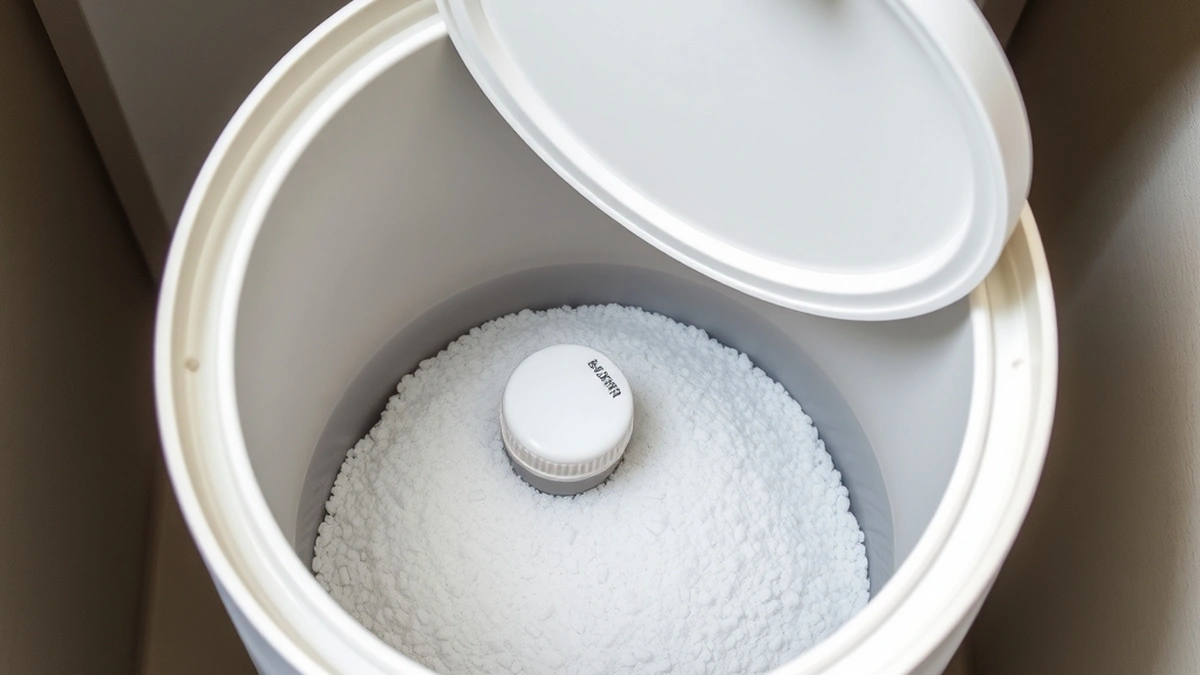
Dump old salt, dissolve and remove sludge, scrub the tank with dish soap and water, rinse, refill with fresh salt, and run a manual regeneration.
- Recommended cleaning interval
- Once every 6 to 12 months
- Typical salt usage per regeneration
- 8 to 12 pounds
- Common residential softener capacity
- 24,000 to 64,000 grains
- Installed softener cost range
- $1,200 to $4,500
Some links on this page are affiliate links.If you buy through them we may earn a commission at no extra cost to you. We do not accept payment for rankings. Read the full disclosure.
Cleaning a brine tank means emptying the tank, removing salt bridges and sludge, scrubbing the interior, and refilling it with fresh salt so the softener can regenerate properly. A dirty brine tank does not necessarily mean the softener is broken, but salt buildup and sediment can interfere with brine concentration and reduce softening performance. Most residential units benefit from a full cleaning once every 6 to 12 months.
Why Brine Tank Maintenance Matters
A water softener uses a brine tank to store salt and water. During regeneration, the control valve draws brine into the resin tank to flush hardness minerals off the resin beads. If the brine tank contains a salt bridge, excess sludge, or contaminated water, the system may draw weak brine or no brine at all. That can leave hardness minerals on the resin and result in hard water at the tap.
Typical residential softeners range from 24,000 to 64,000 grains of capacity and use 8 to 12 pounds of salt per regeneration. Salt costs generally run between $120 and $400 per year depending on usage and local prices. Keeping the brine tank clean helps ensure you are not wasting salt on ineffective regenerations.
Before opening the tank, test your water to confirm hardness and iron levels. If hardness is above the softener’s treatment range or iron exceeds roughly 2 to 3 ppm, a softener alone may not be the right tool, and cleaning the brine tank will not solve the underlying water chemistry issue.
Tools and Supplies You Need
Gather these items before starting:
- Bucket or wet/dry vacuum for water removal
- Scoop or small shovel for salt removal
- Garden hose or sink access for rinsing
- Mild dish soap
- Long-handled scrub brush or non-abrasive sponge
- Clean rags or towels
- Fresh water softener salt (solar, pellet, or evaporated, per manufacturer guidance)
Avoid bleach, solvents, or abrasive cleaners. Residue from harsh chemicals can carry into the regeneration cycle and damage resin or valve components.
Step-by-Step Brine Tank Cleaning
1. Put the Softener in Bypass
Turn the softener to bypass mode or shut off the main water supply. This prevents the system from starting a regeneration cycle while the tank is open and empty. If your unit has a power cord, unplug it or disable regeneration timers according to the owner’s manual.
2. Remove Remaining Salt and Water
Scoop out dry salt and place it in a bucket. If salt is stuck together in a hard crust, break it apart carefully. Do not reuse old salt that has been sitting in standing water for months; dissolved impurities and dirt settle at the bottom and should be discarded.
Use a bucket or wet/dry vacuum to remove water from the tank. A typical brine tank may hold several gallons of water depending on size and float setting. Dispose of the salty water down a drain that can handle brine, not into a garden or storm drain.
3. Break Up Salt Bridges
A salt bridge is a hardened crust that forms above the water, often caused by humidity or low-quality salt. It can look like the tank is full when the bottom is actually empty. Push a broom handle or similar tool gently against the crust. If it does not break easily, pour warm water over the area to soften it, then remove the pieces.
4. Scrub the Interior
Mix a few drops of mild dish soap into warm water. Scrub the inside walls, floor, and around the brine well or float assembly. Pay attention to corners where sludge collects. Sludge is the insoluble dirt and impurities that settle out of lower-purity salt over time. Rinse thoroughly with clean water until no soap residue remains.
5. Rinse and Refill
Flush the tank with clean water. Reconnect any brine line or float components securely. Fill the tank to the manufacturer’s recommended level, usually no more than two-thirds full to allow room for proper brine mixing. Add fresh salt only; do not mix old dirty salt back in.
6. Restart and Regenerate
Exit bypass mode, restore water flow, and plug the unit back in if applicable. Initiate a manual regeneration cycle so the system draws fresh brine and confirms the valve and line are working. Check for leaks around the brine line and float assembly.
What Cleaning Does and Does Not Fix
Cleaning the brine tank restores the salt storage and delivery system. It can resolve issues such as salt bridges, mushing, and sludge buildup that prevent proper brine concentration. It will not fix a damaged resin bed, a leaking valve, or incorrect programming.
If you clean the tank and still experience hard water, check the following:
- Salt level is too low or too high
- Regeneration frequency is mismatched to household water use
- Resin bed is nearing the end of its useful life, typically 8 to 12 years
- Iron or other contaminants exceed the softener’s treatment limits
A resin rebed generally costs between $300 and $600. A full softener replacement typically ranges from $1,200 to $4,500 installed, depending on capacity and labor. Equipment alone usually runs $600 to $2,500, with installation adding $500 to $1,500.
Cost Context for Salt and Maintenance
Salt usage depends on regeneration frequency and dose. A system using 10 pounds of salt per regeneration and regenerating once per week uses roughly 520 pounds per year. At $0.25 to $0.80 per pound depending on salt type and region, annual salt cost falls in the common range of $120 to $400.
Cleaning the tank yourself requires only soap, water, and time. If you hire a service technician, the visit is usually bundled with broader softener service rather than sold as a standalone tank cleaning. Routine cleaning can extend the useful life of the salt storage components and help you get the full 10 to 15 years of typical softener equipment life.
When to Call a Professional
Contact a water treatment professional if:
- The brine tank or cabinet is cracked or leaking
- The float assembly or brine line is damaged
- The control valve will not initiate regeneration
- Hardness returns immediately after cleaning and regeneration
- You need help interpreting a water test result for iron, manganese, or hardness
A professional can also confirm whether your softener is sized correctly for your water use and hardness level. For context, whole-house filtration systems generally cost $500 to $1,800 installed, while reverse osmosis systems range from $300 to $900 installed under the sink. Those are separate treatment steps and do not replace brine tank maintenance on a softener.
Maintenance Schedule
Inspect the brine tank every 2 to 3 months for salt bridges, crusting, or low salt levels. Perform a full cleaning every 6 to 12 months. If you use rock salt or solar salt with more insoluble matter, you may need to clean more frequently. Evaporated pellet salt tends to leave less residue and can extend the interval between cleanings.
Keep a simple log of cleaning dates, salt type, and any regeneration issues. This record helps you spot patterns and decide whether the softener settings or salt supply need adjustment.
Regular brine tank cleaning is a low-cost task that protects a several-thousand-dollar investment. It requires no special chemicals, just time, fresh water, and fresh salt.
Next, compare how much does a water softener cost, water softener installation cost, whole house water filter cost before you commit.
Frequently asked questions
How often should I clean my brine tank?
Most residential brine tanks need cleaning every 6 to 12 months, depending on salt purity, water hardness, and how often the softener regenerates.
What causes a salt bridge in a brine tank?
High humidity, poor-quality salt, or overfilling the tank can cause salt to crust over and form a hard layer that blocks proper brine formation.
Can I use bleach to clean a brine tank?
Use mild dish soap and warm water instead; bleach is unnecessary for routine cleaning and can leave residues that affect subsequent regeneration cycles.
Do I need to turn off the water before cleaning?
You should put the softener in bypass mode or shut off the water supply so the system does not attempt to regenerate while the tank is empty.
What is brine tank sludge?
Sludge is insoluble dirt and impurities that settle at the bottom of the tank over time, especially when using lower-purity solar or rock salt.
Will cleaning the brine tank fix hard water?
Cleaning removes salt buildup and sludge, but if hard water persists after cleaning, the issue may be resin exhaustion, incorrect settings, or a mechanical fault.
Sources
Some links are affiliate links.If you buy through them we may earn a commission at no extra cost to you. We do not accept payment for rankings. Read the full disclosure.