
The Bypass Valve: What It Does and When to Use It
A water softener bypass valve routes water around the softener for service, outdoor use, or emergencies. Learn how it works and when to operate it.
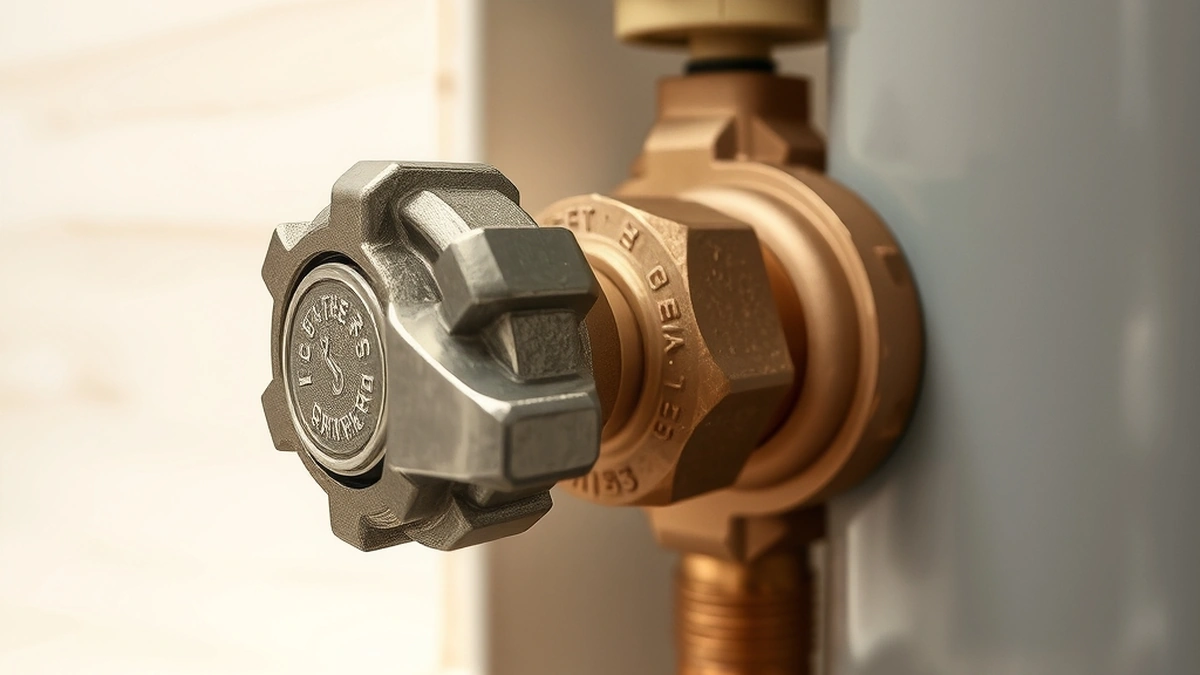
A bypass valve diverts water around the softener so you can use untreated water during service, repairs, or high-demand outdoor tasks.
- Typical softener equipment cost
- $600–$2,500
- Typical installed cost
- $1,200–$4,500
- Resin bed life
- 8–12 years
- Softener life
- 10–15 years
- Salt per regeneration
- 8–12 pounds
Some links on this page are affiliate links.If you buy through them we may earn a commission at no extra cost to you. We do not accept payment for rankings. Read the full disclosure.
A water softener bypass valve is a plumbing device that sends water around the softener instead of through it. When the valve is set to bypass, untreated water enters your home’s pipes while the softener sits idle. When the valve is in service mode, all water passes through the resin bed for hardness reduction.
The valve exists for practical reasons: maintenance, repairs, outdoor watering, and situations where you do not want softened water. Understanding how to operate it can prevent service calls and protect the equipment.
How the Bypass Valve Works
Most residential softeners use a three-position bypass valve built into the control head. The three positions are:
- Service – Water flows through the softener normally.
- Bypass – Water is routed around the softener tank and delivered to the house untreated.
- Brine draw / regeneration – The control head manages regeneration automatically; the valve position supports this cycle internally.
In bypass mode, water pressure remains normal because the water is not restricted by the resin bed. The softener does not use salt or water during bypass, and no regeneration occurs.
If your softener does not have an integrated bypass, a plumber may install a three-valve bypass loop using shutoff valves on the inlet, outlet, and a connecting pipe between them. The operating principle is the same: close the softener’s inlet and outlet, open the bypass line, and water skips the tank.
When to Use Bypass Mode
During Service or Repairs
If the control head, rotor valve, or resin tank needs service, set the bypass to isolate the softener from the plumbing. This keeps water flowing to the house while a technician works on the equipment. It also prevents flooding the work area with pressurized water from the softener.
Resin bed replacement typically falls in the $300–$600 range and is usually needed every 8–12 years, depending on water quality and usage. During a rebed, the bypass valve allows the household to continue using water while the tank is open.
For Outdoor Irrigation
Softened water contains sodium added during the ion exchange process. Many homeowners prefer not to use it on lawns, gardens, or trees. If outdoor spigots are connected after the softener, putting the system in bypass sends untreated water to those lines.
Some installations plumb outdoor faucets before the softener so they always receive untreated water. If yours are after the softener, bypass is the manual alternative during watering season.
During High Water Demand
A softener has a finite flow rate. If you are filling a large pool, running multiple showers, and doing laundry simultaneously, you may notice pressure drops. Bypassing the softener removes that restriction temporarily.
Keep in mind that bypass means hard water is running through fixtures and appliances. For short-term events, this is usually acceptable. For extended periods, scale can accumulate in water heaters and pipes.
When the Softener Is Not Needed
If a water test shows hardness in the 0–3 grains per gallon (GPG) range, the water is already considered soft and a softener may not provide meaningful benefit. In that case, some owners leave the system in bypass indefinitely. Hardness levels of 3–7 GPG are moderate, 7–10 GPG are hard, and 10+ GPG are very hard.
Operating the Valve
To put a typical softener into bypass:
- Locate the bypass handle or knob on the back or top of the control head.
- Turn it to the “Bypass” position. On many units, the handle points toward the bypass label or is perpendicular to the pipe.
- Run a faucet to confirm water is flowing.
- When service is complete, return the valve to “Service” and run water for a few minutes to clear air from the lines.
If you have a three-valve manual bypass loop, close the inlet and outlet valves at the softener, then open the bypass valve between them. Reverse the order to return to service.
Do not force a stuck valve. Mineral buildup can seize a bypass handle that has not moved in years. A plumber can free or replace it. Forcing it can crack the valve body and cause a leak.
Cost Context
A water softener is a significant purchase. Equipment typically runs $600–$2,500, with installation adding $500–$1,500, for a total installed range of $1,200–$4,500. Ongoing salt costs are roughly $120–$400 per year, and each regeneration uses 8–12 pounds of salt.
Using bypass strategically can reduce salt and water use. For example, if you bypass for three months of heavy outdoor watering, you might avoid several regeneration cycles. At 8–12 pounds per regeneration, skipping even six regenerations saves 48–72 pounds of salt annually.
If you are comparing treatment options, a salt-free conditioner typically installs for $500–$1,800, while a whole-house carbon filter installs for $500–$1,800 with cartridges costing $80–$300 per year and replacement every 6–12 months. Sediment cartridges usually need replacement every 3–6 months. These systems do not remove hardness the way a softener does, so bypass behavior differs.
Bypass and Water Testing
Before relying on bypass for any extended period, know what is in your water. A lab water test typically costs $40–$150. If your water contains iron above 2–3 PPM, a standard softener may struggle, and an iron filter (installed $800–$2,500) might be more appropriate. Sulfur filters install for $1,000–$3,000. Bypassing a softener does not address iron, sulfur, or bacteria; it only routes untreated water around the hardness removal stage.
If you are on a private well, testing is especially important because municipal water quality reports do not cover private systems. Test results determine whether bypass is a convenience or whether untreated water introduces other concerns.
What Bypass Does Not Do
Bypass does not shut off water to the house. It does not drain the softener tank. It does not regenerate the resin. It does not remove contaminants, and it does not improve water quality—it simply delivers whatever is entering the home without softening.
It also does not protect the softener from freezing. If you are closing a seasonal home, bypass alone is not sufficient winterization. You would need to drain the unit and plumbing according to manufacturer instructions.
Maintenance Tips
- Exercise the bypass handle once or twice per year so it does not seize.
- Check for leaks around the valve after returning to service mode.
- If the handle is difficult to turn, do not use tools to force it. Contact a plumber.
- Keep the area around the softener and bypass valve clear for emergency access.
A bypass valve is a simple feature, but it is one of the most useful tools on a water softener. It keeps water flowing during service, lets you choose when to use softened water, and helps you manage salt and water use. Know where yours is and how to operate it before you need it.
For more on system pricing, see how much does a water softener cost and water softener installation cost. If you are evaluating other treatment equipment, whole house water filter cost provides additional context.
Frequently asked questions
What does a bypass valve do?
It redirects incoming water around the softener tank so untreated water reaches your plumbing while the softener is offline.
Where is the bypass valve located?
It is usually on the back or top of the softener control head where the inlet and outlet pipes connect.
Can I run the house on bypass indefinitely?
Yes, but hard water will flow through the plumbing, which can cause scale buildup over time.
Should I bypass for outdoor faucets?
Many homeowners bypass outdoor spigots to avoid putting softened water on lawns and gardens.
Does bypass stop water flow entirely?
No. In bypass mode, water still flows to the house; it simply skips the softener resin bed.
How often should I test water with a softener?
Test after installation and periodically thereafter to confirm hardness removal is working as expected.
Sources
Some links are affiliate links.If you buy through them we may earn a commission at no extra cost to you. We do not accept payment for rankings. Read the full disclosure.


