
shower water filter installation: what it involves
Shower filter installation takes 5-10 minutes and needs no tools beyond pliers. See cartridge life, flow ratings, and what these units do not treat.
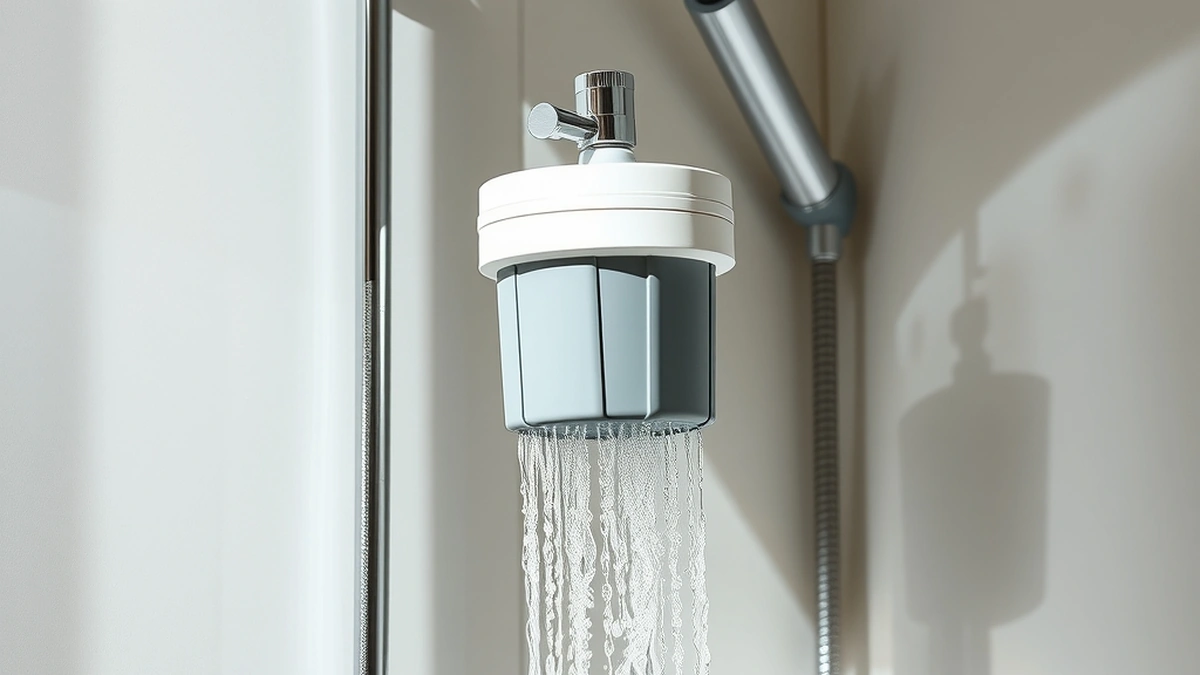
Shower water filter installation takes 5-10 minutes: unscrew the shower head, thread the filter onto the arm, and reattach the head. Units cost $25-$100, cartridges $15-$40 every 3-6 months, and flow drops 1-2 GPM.
- Install time
- 5 - 10 minutes
- Unit cost
- $25 - $100
- Cartridge life
- 3 - 6 months
- Flow rate
- 1.5 - 2.5 GPM
- Thread size
- 1/2 inch NPT
Some links on this page are affiliate links.If you buy through them we may earn a commission at no extra cost to you. We do not accept payment for rankings. Read the full disclosure.
Shower water filter installation takes 5-10 minutes and needs nothing more than your hands and maybe a pair of pliers. You unscrew the shower head, thread the filter onto the arm, and put the head back on the filter. Units cost $25-$100 and cartridges $15-$40 every 3-6 months.
What the device is
A shower water filter is a point-of-use device installed between the shower arm and the shower head, containing carbon, KDF media, or a blend of both. Water passes through the media before it reaches the head.
The target is free chlorine and the taste and odor compounds that come with it. Some units also reduce chloramine byproducts, heavy metals, or sediment, depending on the media blend and the contact time.
It is not a softener and not a purifier. It does not remove calcium, magnesium, nitrate, or bacteria. That distinction matters because shower filters are often marketed against problems they cannot solve.
The installation, start to finish
- Wrap the shower arm threads with two to three turns of plumbers tape.
- Unscrew the existing shower head by hand; use a cloth and pliers only if it is stuck.
- Thread the filter onto the arm, with the supplied washer seated, until hand-tight.
- Screw the shower head onto the filter outlet, again hand-tight plus a quarter turn.
- Run hot water for 30 seconds, then cold, and check both joints for weeping.
- Tighten a weeping joint by an eighth turn before reaching for a wrench.
The whole job is two threaded connections. A cross-threaded filter will leak no matter how tight it is, so start the threads by hand and check that the filter hangs straight before you finish.
Fit, flow, and the numbers that matter
| Spec | Typical range | What it means |
|---|---|---|
| Thread | 1/2 inch NPT | Standard US shower arm |
| Flow | 1.5 - 2.5 GPM | Lower flow feels weaker |
| Cartridge life | 3 - 6 months | Or about 10,000 - 20,000 gallons |
| Pressure drop | 2 - 8 psi | Higher as cartridge loads |
| Unit cost | $25 - $100 | Media volume drives price |
Flow is the spec people ignore and then complain about. A 2.5 GPM shower head on a filter rated at 1.5 GPM delivers 1.5 GPM, and the shower feels different. If the existing head is a low-flow model, the change is small; if it is an older 2.5 GPM head, the drop is noticeable.
Check your shower arm height before buying a large unit. A filter body adds 2-4 inches, which can put the head at chest level in a tub-shower combo.
What it does and does not do
A shower filter reduces free chlorine, which is measurable and is the reason most people buy one. Chlorine is volatile and reactive, and a carbon block in the line removes a portion of it before the water hits the head.
It does not soften. Hard water leaves the same scale on glass, tile, and fixtures whether or not a shower filter is installed. If spotted glass is the complaint, the fix is at the entry point, not the shower arm.
It does not remove iron or sulfur. Those need oxidation and filtration at the main line, and a shower filter will clog quickly if the water carries either.
If scale and spotting are the real issue, hard water symptoms explains what to look for and water softener alternative installation covers the entry-point options.
Cost over two years
A $45 unit with a $25 cartridge every 4 months: 6 cartridges over two years is $150, plus $45 for the unit, equals $195. That is about $8 per month for a single shower.
A $90 unit with a $35 cartridge every 6 months: 4 cartridges over two years is $140, plus $90, equals $230. The more expensive unit costs more to own unless the cartridge genuinely lasts longer.
The math favors whichever unit has the cheaper cartridge per month of life, not the cheaper sticker. Check cartridge price and rated life before buying, because a $30 unit with a $30 cartridge every 2 months costs $180 per year.
Shower filter versus whole house filter
A shower filter treats one fixture. A whole house filter at $500-$1,800 installed treats every tap, protects appliances, and handles sediment that would otherwise reach the water heater.
The shower unit wins on price and rental friendliness. The whole-house unit wins on coverage and on protecting plumbing. A household with chlorine taste at every tap is better served by the entry-point system; a renter with one bad shower is better served by the $45 unit.
If you want the entry-point version, whole house water filter installation covers the cut-in. For the filter media comparison, carbon block versus GAC explains why a block is usually better in a small housing.
Maintenance after install
Change the cartridge on a calendar, not on a symptom. A loaded cartridge drops flow gradually, and most people adapt to the weaker shower without noticing until the media is exhausted.
Clean the head face monthly if the water carries sediment. A clogged face raises pressure inside the filter and can force water past the O-ring.
Store spare cartridges dry and sealed. A cartridge that has absorbed humidity from a bathroom cabinet can grow biofilm before it is ever installed, which is the same problem that causes pink slime in the bathroom on tile and grout.
Frequently asked questions
How long does a shower water filter take to install?
Five to ten minutes. You unscrew the shower head from the arm, thread the filter onto the arm with the supplied washer, and screw the head back onto the filter outlet.
Do shower filters reduce water pressure?
Yes, typically by 1-2 GPM at the head. A unit with a 2.0 GPM rating on a 2.5 GPM supply will feel softer, which is why flow rating matters more than filter media when shopping.
How often should a shower filter cartridge be changed?
Every 3-6 months in normal use, or sooner in a household with multiple daily showers. A cartridge that has run its course often shows a pressure drop before any other symptom.
Do shower filters remove chlorine?
Most use a carbon or KDF media that reduces free chlorine and some chloramine byproducts. Reduction percentage varies by unit and flow rate, and no shower filter is a whole-house treatment.
Will a shower filter help with hard water?
No. It does not remove calcium or magnesium, so scale on glass and fixtures continues. A softener or a salt-free conditioner at the entry point is the correct tool for hardness.
Do I need a plumber to install a shower filter?
No. The connection is a standard 1/2-inch thread, and hand-tightening plus a quarter turn is enough. Plumbers tape or a new washer solves most leaks.
Sources
Some links are affiliate links.If you buy through them we may earn a commission at no extra cost to you. We do not accept payment for rankings. Read the full disclosure.


