Whole-House UV vs Under-Sink UV: Which Costs Less
Compare whole-house UV and under-sink UV systems by installed cost, lamp replacement, flow rate, and maintenance.
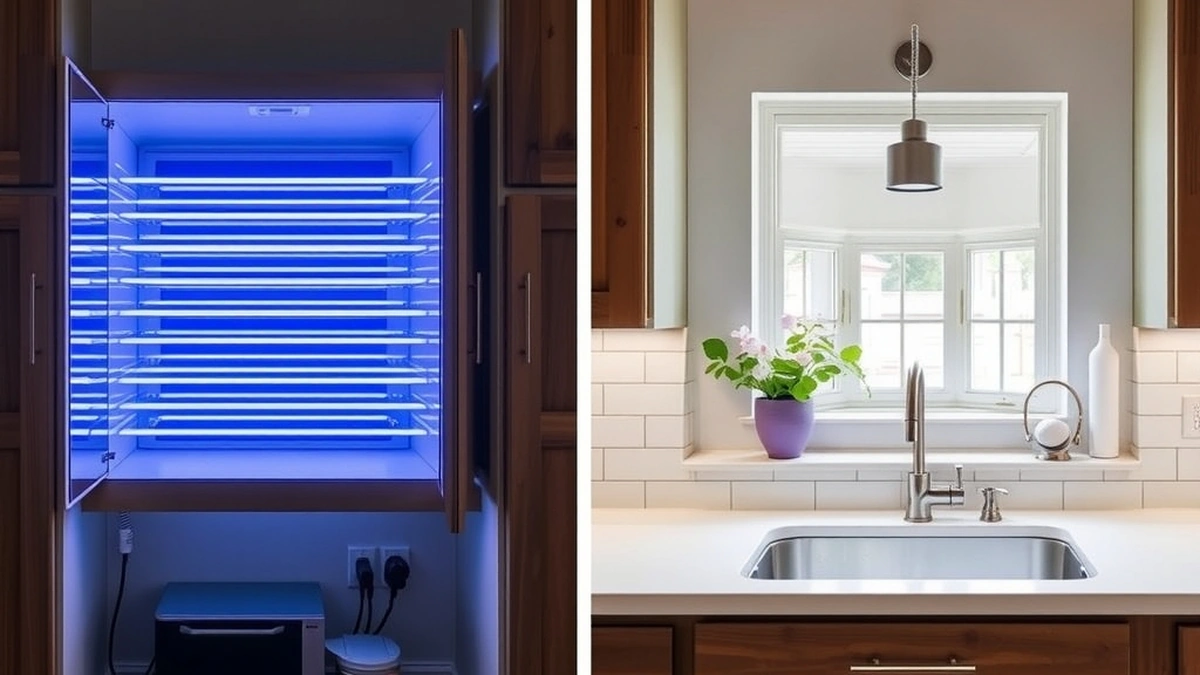
Choose whole-house UV to treat all water entering the home; choose under-sink UV for drinking water at one tap only. Whole-house UV and under-sink UV use the same ultraviolet technology, but they treat different volumes of water. A whole-house unit installs on the main line.
- Whole-house UV typical installed cost
- $500–$1,800
- Under-sink UV typical installed cost
- $200–$700
- UV lamp replacement interval
- 12 months
- UV lamp replacement cost
- $30–$90
- Whole-house flow rate
- 8–15 GPM
Some links on this page are affiliate links.If you buy through them we may earn a commission at no extra cost to you. We do not accept payment for rankings. Read the full disclosure.
Whole-house UV and under-sink UV use the same ultraviolet technology, but they treat different volumes of water. A whole-house unit installs on the main line and treats every gallon entering the home, while an under-sink unit treats water at a single tap. The right choice depends on how much of your plumbing you need to cover and what you are willing to spend up front and annually.
How Whole-House UV Works
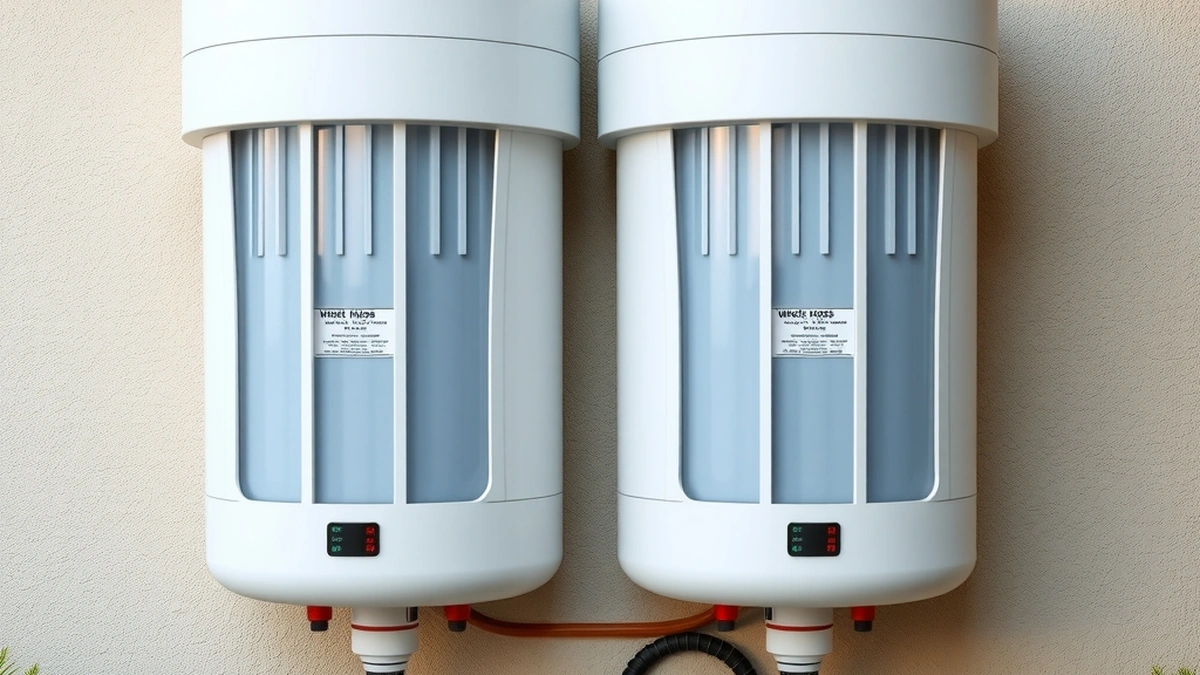
A whole-house UV system mounts on the main water line after the pressure tank or meter. Water flows through a stainless steel chamber where a UV lamp exposes it to ultraviolet light. Because it treats all water entering the home, it protects showers, toilets, laundry, and every faucet.
Typical whole-house flow rates fall in the 8–15 GPM range, which is sufficient for most residential plumbing. Equipment plus installation commonly lands between $500 and $1,800, depending on flow capacity and plumbing complexity. That is an estimate; actual quotes vary by region and installer.
The main recurring cost is the lamp. Most UV lamps are rated for 12 months. Replacement lamps typically cost $30–$90. Quartz sleeves and seals may need occasional cleaning or replacement, but those are not annual requirements for most installations.
How Under-Sink UV Works
An under-sink UV system installs beneath a kitchen sink and connects to the cold-water line serving a dedicated faucet or the existing tap. It treats only the water drawn from that point, so water used for bathing, dishwashing, and laundry bypasses the unit entirely.
Because the flow requirement is much lower, under-sink UV systems are smaller and less expensive. Installed costs often range from $200 to $700. Lamp replacement follows the same 12-month cycle, with lamps priced around $30–$90.
This setup makes sense when the goal is drinking water at one location. It does not provide whole-home protection, and it does not treat water used anywhere else in the house.
Cost Comparison Arithmetic
Here is a side-by-side estimate for a 10-year horizon. These figures are estimates and exclude pre-treatment, plumbing modifications, and electrical work.
| Cost item | Whole-house UV | Under-sink UV |
|---|---|---|
| Equipment and install | $500–$1,800 | $200–$700 |
| Lamp replacements (10 years) | $300–$900 | $300–$900 |
| 10-year estimated total | $800–$2,700 | $500–$1,600 |
Lamp math: 10 years × 1 lamp per year × $30–$90 equals $300–$900 for either type. The difference in total cost comes almost entirely from the initial equipment and installation gap.
A lab water test typically costs $40–$150 and is worth doing before purchase. Results can reveal turbidity, iron, or hardness that may require pre-treatment so the UV chamber operates as intended.
Pre-Treatment Matters for Both Types
UV effectiveness depends on water clarity. Suspended particles can shield microbes from UV light, and high iron or hardness can coat the quartz sleeve. Whole-house systems are more exposed to these issues because they treat all water, including high-flow usage.
Common pre-treatment steps include sediment filtration and, when needed, water softening. Water softener equipment typically costs $600–$2,500, with installation adding $500–$1,500 for an installed range of $1,200–$4,500. Salt runs roughly $120–$400 per year, and resin rebeds cost $300–$600 when needed. If your water requires softening before UV, add those costs to the project budget.
For more on softener pricing, see how much does a water softener cost and water softener installation cost. For broader filtration budgeting, see whole house water filter cost.
Flow Rate and Household Size
Whole-house UV must handle peak demand. A system sized for 8–15 GPM can serve most single-family homes, but larger homes with multiple simultaneous showers may need a higher-capacity unit. Undersizing causes pressure drop and can reduce treatment effectiveness if water moves too quickly through the chamber.
Under-sink UV only needs to support a single faucet, usually well under 2 GPM. Sizing is simpler, but the trade-off is coverage. If you want treated water at the kitchen sink and the bathroom sink, one under-sink unit is not enough unless you install multiple units or choose whole-house.
Maintenance Schedule
Both systems share the same basic maintenance rhythm:
- Replace the UV lamp every 12 months.
- Clean the quartz sleeve as needed, typically when the lamp is changed.
- Monitor any pre-filters; sediment cartridges often require replacement every 3–6 months.
- Check for leaks at fittings during lamp changes.
Lamp replacement costs $30–$90 per year per unit. If you install two under-sink units to cover two taps, you double that annual lamp cost.
When to Choose Each Type
Choose whole-house UV when you want all water entering the home treated and your budget supports the higher installed cost. It is the simpler option if you have multiple taps of concern and do not want to maintain several point-of-use devices.
Choose under-sink UV when your priority is drinking water at one tap and you want the lowest upfront cost. It is also practical for renters or homeowners who cannot modify the main water line.
Neither type removes hardness, sediment, chlorine, or dissolved metals. If your water test shows those issues, pair UV with appropriate pre-treatment. For reverse osmosis cost context, see reverse osmosis system cost.
Bottom Line
Whole-house UV costs more to install but treats every fixture. Under-sink UV costs less and serves one tap. Run the numbers on your home’s flow rate, lamp replacement schedule, and any needed pre-treatment before deciding.
Frequently asked questions
Does UV remove hardness or sediment?
No. UV treats microorganisms only; hardness and sediment need separate equipment such as a softener or sediment filter.
How often is the UV lamp replaced?
Most UV lamps are rated for 12 months of continuous operation before replacement.
Can one under-sink UV protect the whole house?
No. An under-sink unit treats water at that single faucet and does not protect showers, appliances, or other taps.
Is a water test required before buying UV?
A lab test is recommended to confirm water quality, especially turbidity and iron, which can affect UV performance.
Does UV need electricity?
Yes. UV systems require a power outlet to run the lamp and ballast.
Which UV type has lower long-term cost?
Under-sink UV usually costs less to buy and maintain, but whole-house UV covers every fixture in the home.
Sources
Some links are affiliate links.If you buy through them we may earn a commission at no extra cost to you. We do not accept payment for rankings. Read the full disclosure.