Hard Water vs Soft Water: The Practical Difference
Hard water carries calcium and magnesium; soft water has exchanged them for sodium. Compare lather, scale, taste, sodium, and what each costs to own.
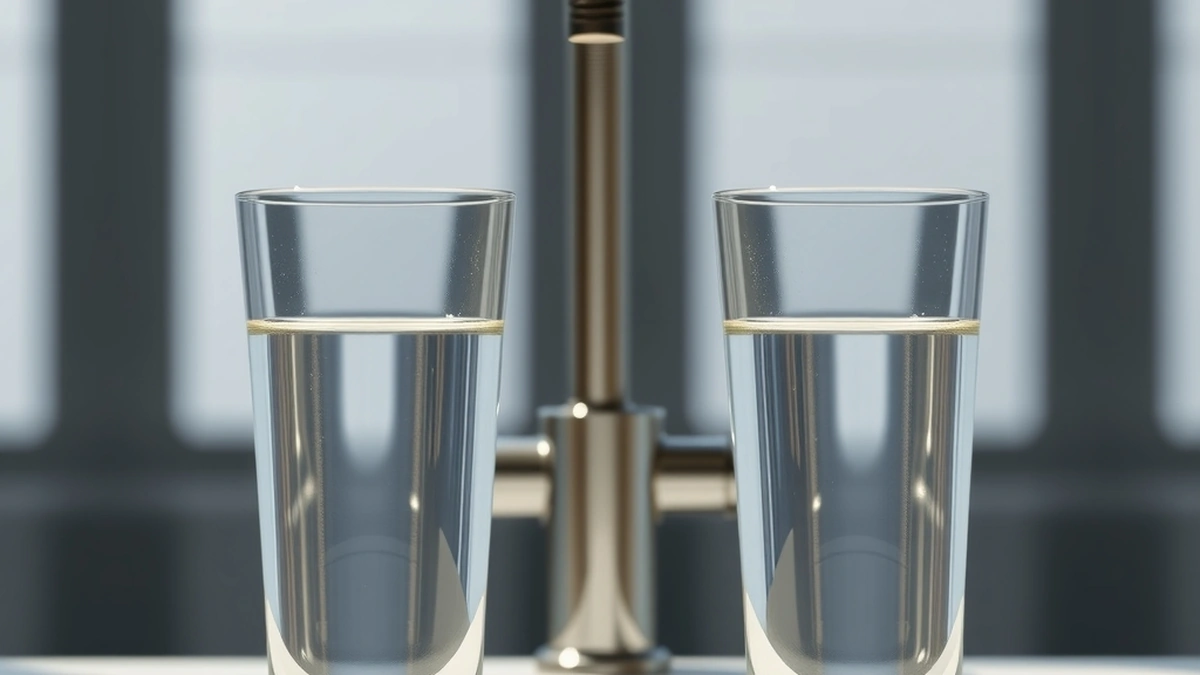
Hard water contains dissolved calcium and magnesium, measured in grains per gallon; soft water has had those minerals removed by ion exchange. Hard water scales fixtures and fights soap, while soft water lathers easily and leaves no scale, with a small sodium increase.
- Soft range
- 0 - 3 GPG
- Hard range
- 7 - 10 GPG
- Very hard
- 10+ GPG
- Softener installed
- $1,200 - $4,500
- Salt per year
- $120 - $400
Some links on this page are affiliate links.If you buy through them we may earn a commission at no extra cost to you. We do not accept payment for rankings. Read the full disclosure.
Hard water contains dissolved calcium and magnesium; soft water has had those minerals swapped for sodium through ion exchange. The difference shows up as scale, soap lather, laundry feel, and appliance wear. Testing in grains per gallon is the only way to know which one comes out of your tap.
What the Labels Mean
Water hardness is classified by concentration, measured in grains per gallon. One grain per gallon equals about 17.1 milligrams per liter of calcium carbonate.
| Class | Grains per gallon | Typical behavior |
|---|---|---|
| Soft | 0 - 3 | Soap lathers easily, little scale |
| Moderately hard | 3 - 7 | Light spots, occasional film |
| Hard | 7 - 10 | Visible scale, soap scum |
| Very hard | 10+ | Heavy crust, clogged aerators |
Soft water is not mineral-free. It has low calcium and magnesium, but it can still contain sodium, potassium, chloride, and whatever else the source water carried. The label describes hardness only.
Behavior at the Fixture
Hard water reacts with soap to form insoluble scum. That is why a bar of soap lasts longer in soft water and why a shower door in a hard-water house develops a cloudy film that resists ordinary cleaners.
Scale is the other visible difference. When hard water heats or evaporates, calcium carbonate precipitates as a solid. It coats heating elements, narrows pipe interiors, and etches glass. Soft water does not deposit that scale because the minerals are no longer present.
Laundry behaves differently too. Hard water leaves minerals in fabric, which makes towels stiff and can dull colors. Soft water rinses cleaner, so detergent doses often drop.
The Sodium Question
Ion exchange replaces each calcium or magnesium ion with two sodium ions. The amount added depends on hardness. A household at 10 GPG drinking 2 liters a day takes in roughly 100 - 200 milligrams of sodium from softened water, which is small next to a typical diet but relevant for sodium-restricted households.
Three options handle that concern. Keep an unsoftened tap at the kitchen sink for drinking. Use reverse osmosis at the point of use, which removes most sodium along with other dissolved solids. Or switch the softener to potassium chloride, which costs $25 - $40 per 40-pound bag against $7 - $12 for sodium chloride.
Soft water does not taste salty at normal hardness. Most people describe it as smoother or flatter, and the difference is more noticeable in tea and coffee than in a glass.
Cost Comparison
| Item | Hard water | Soft water |
|---|---|---|
| Equipment | None | $600 - $2,500 |
| Installation | None | $500 - $1,500 |
| Installed total | $0 | $1,200 - $4,500 |
| Salt per year | None | $120 - $400 |
| Soap and detergent | Higher use | Lower use |
| Appliance life | Shorter with scale | Longer |
| Resin rebed | None | $300 - $600 at 8 - 12 years |
The softener costs money and saves money in ways that are hard to itemize. Soap, detergent, and appliance repairs all trend lower in soft water, but the savings rarely repay the equipment in a few years. The honest case for softening is scale prevention and fixture appearance, with the operating savings as a secondary benefit.
A salt-free conditioner is a third option at $500 - $1,800 installed. It does not remove hardness and does not produce soft water by the grains-per-gallon definition, but it can reduce visible scale by changing how minerals crystallize. It is not the same product.
What Softening Does Not Do
A softener does not remove nitrate, arsenic, lead, chlorine, sediment, or most organic compounds. It removes hardness minerals and a limited amount of dissolved iron and manganese.
That matters when a test shows multiple problems. A household with hard water and 5 PPM iron needs an iron filter ahead of the softener, because resin fouling accelerates above 2 - 3 PPM. A household with hard water and nitrate above 10 mg/L needs reverse osmosis at the tap for drinking.
Treating hardness and calling the water “treated” is a common mistake. The lab report lists every parameter, and each one needs its own answer.
Deciding Which You Want
- Test the raw water and record hardness in grains per gallon.
- List the symptoms that bother you: scale, soap scum, stiff laundry, spotting, appliance noise.
- If hardness is under 3 GPG, you already have soft water and need no equipment.
- If it is 3 - 7 GPG, weigh the symptoms against $1,200 - $4,500 installed.
- If it is 7 GPG or higher, get two softener quotes and confirm the drain and electrical available at the install point.
- If sodium is a concern, price a potassium chloride option or a point-of-use RO.
Living With Either
Hard water is not unsafe. It is a maintenance variable. Keep a squeegee in the shower, descale the coffee maker monthly with vinegar, and clean aerators when flow drops. Those habits cost little and handle moderate hardness.
Soft water requires its own routine. Check the salt level monthly, break up crusts, and clean the brine tank once a year. Salt runs $120 - $400 annually, and the softener needs a drain for regeneration water.
Outdoors, the two differ again. Softened water is a poor choice for garden beds and houseplants because sodium accumulates in soil and can damage roots over time. Most softener installations leave a hose bib on the hard side of the unit for irrigation, which is a small plumbing detail worth specifying before the install.
For the treatment decision, see how to treat hard water and water softener cost. For the mechanism, see how does a water softener work. If you are weighing alternatives, salt based vs salt free softener lays out the tradeoff directly.
Frequently asked questions
Is soft water safe to drink?
Softened water meets drinking water standards and contains a small amount of added sodium. Households restricting sodium often keep a bypass tap or use reverse osmosis for drinking.
Does soft water taste salty?
Usually not. The sodium added by ion exchange is modest, and most people notice a smoother mouthfeel rather than a salty taste.
How do I tell if I have hard water?
Look for scale on fixtures, poor soap lather, and spotty dishes, then confirm with a lab test or a hardness test strip that reports grains per gallon.
Can hard water be good for you?
Hard water contains calcium and magnesium, but the amounts vary and the water is not a reliable dietary source. Treatment decisions usually turn on scale and equipment, not nutrition.
Does a softener remove everything from water?
No. Ion exchange removes hardness minerals and some dissolved iron and manganese. It does not remove nitrate, arsenic, lead, chlorine, or sediment.
How long does a softener last?
A softener typically lasts 10-15 years, with resin replacement or rebedding around years 8-12 at a cost of $300-$600.
Sources
Some links are affiliate links.If you buy through them we may earn a commission at no extra cost to you. We do not accept payment for rankings. Read the full disclosure.