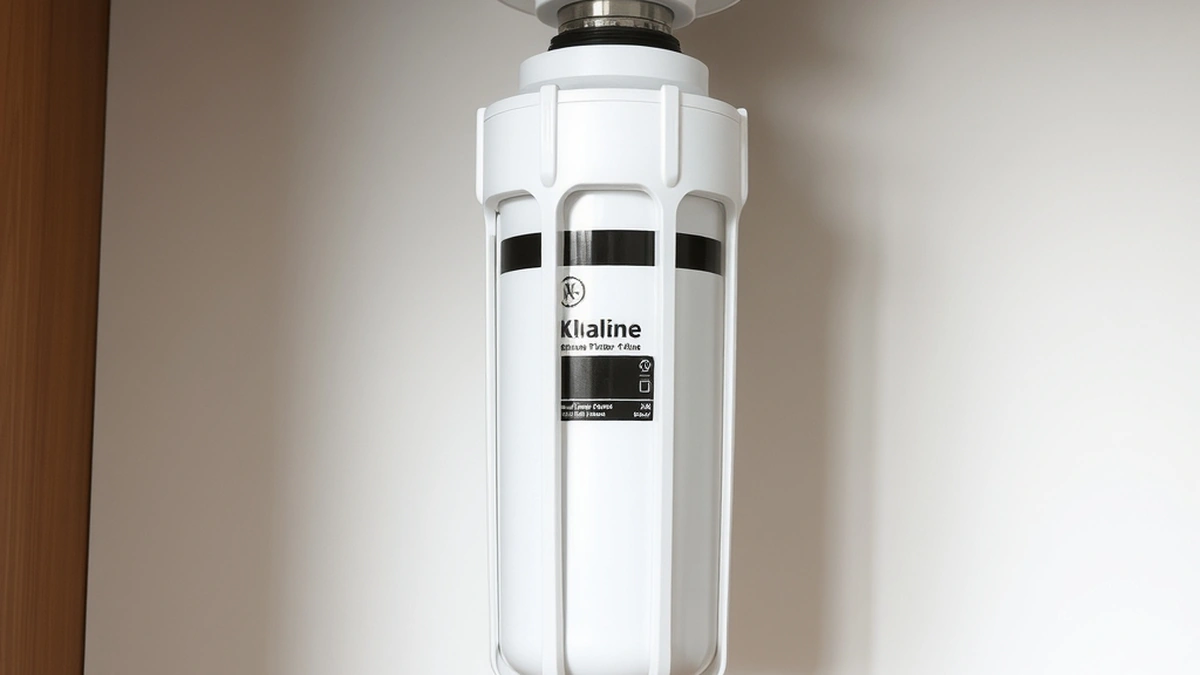
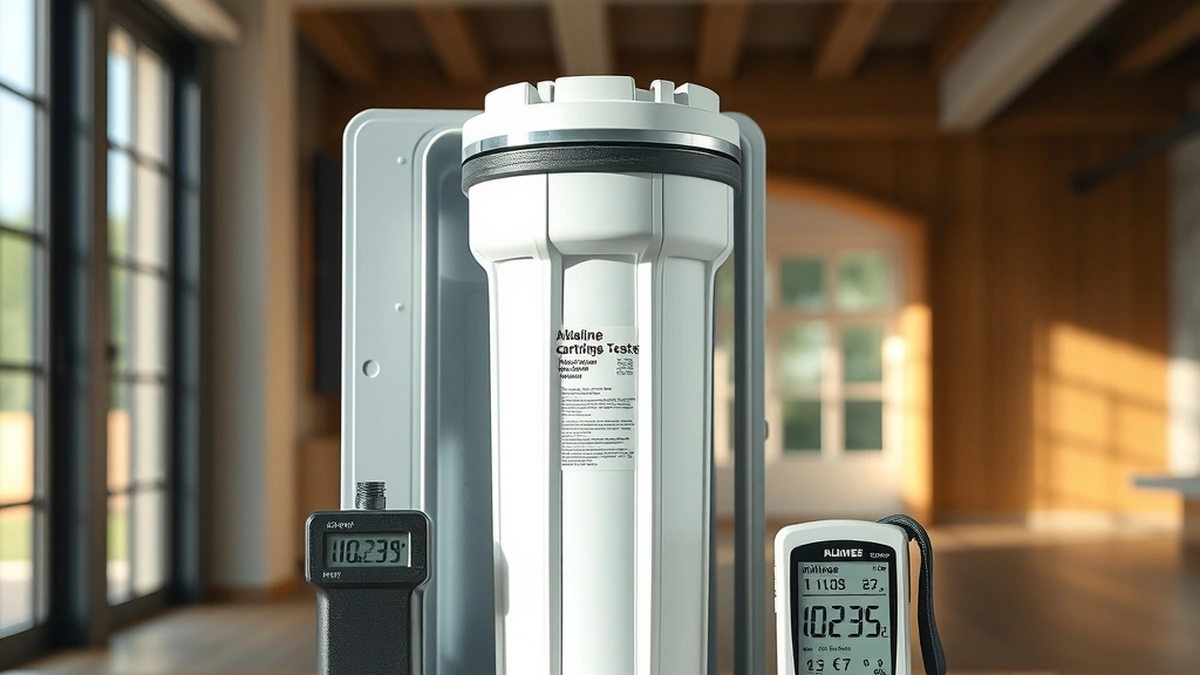
reverse osmosis system troubleshooting
RO slow, noisy, or tasting off? Check prefilters, tank pressure, drain flow, and the membrane in that order. See causes and $20-$200 fixes.
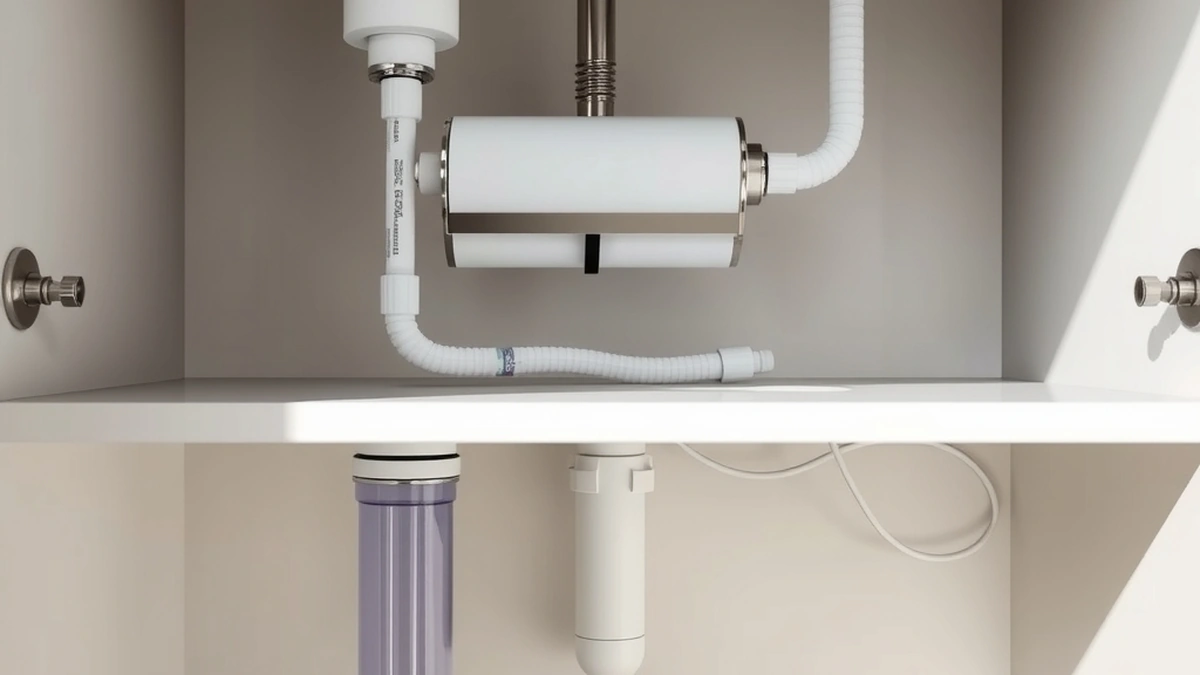
Most reverse osmosis problems are a clogged prefilter, low tank pressure, a blocked drain line, or an exhausted membrane. Check them in that order before replacing anything, and expect $20-$200 in parts.
- Prefilter
- $10 - $30
- Tank pressure
- 7 - 8 psi
- Membrane
- $40 - $80
- Typical repair
- $20 - $200
- Waste ratio
- 3-4:1
Some links on this page are affiliate links.If you buy through them we may earn a commission at no extra cost to you. We do not accept payment for rankings. Read the full disclosure.
Most reverse osmosis problems are a clogged prefilter, low tank pressure, a blocked drain line, or an exhausted membrane. Check them in that order before buying parts. The first two cost nothing to inspect and account for a large share of slow-water complaints.
Slow production, ranked by cause
A prefilter clogged with sediment is the most common cause. It is a $10-$30 part and a 10-minute change.
Low feed pressure is second. A membrane needs 40 psi or more; below that, production drops and rejection falls. A booster pump at $60-$150 restores both.
Cold water is third. At 50°F, output is roughly half the 77°F rating, which is why a system that worked in summer seems weak in January.
A failing membrane is fourth. It is the expensive one, and it should be the last suspect rather than the first.
The symptom table
| Symptom | First check | Cost |
|---|---|---|
| Slow fill at faucet | Tank pressure, prefilter | $0 - $30 |
| No water at all | Feed valve, shutoff | $0 |
| Water tastes flat or off | Post-carbon filter | $20 - $40 |
| Water looks cloudy | Air in tank, new filters | $0 |
| System runs constantly | Shutoff valve, float | $20 - $80 |
| Water on cabinet floor | Fittings, drain saddle | $5 - $30 |
Cloudy water right after a filter change is air and carbon fines. It clears in two or three batches and is not a fault.
Diagnose in this order
- Confirm the feed valve is open and the tank valve is open.
- Check tank pressure with the tank empty.
- Inspect and replace the sediment prefilter.
- Watch the drain line during production.
- Measure feed and product TDS.
- Check every push-fit connection for weeping.
Doing this in order prevents the most expensive mistake in the category: replacing a membrane that was fine while a $15 prefilter was the actual problem.
Checking tank pressure
Shut off the feed, open the faucet, and let the tank empty completely. Then attach a bicycle gauge to the air valve.
A reading of 7-8 psi is correct. Lower means the tank holds less water and the faucet runs dry early. Higher means the pump short-cycles and the tank holds less than it should.
If the tank will not hold pressure, the bladder has failed and the tank needs replacement at $40-$90.
Taste and quality problems
A flat or slightly off taste after a membrane change usually means the post-carbon filter needs replacement or the system needs a flush.
A metallic taste points to a failed membrane passing dissolved solids, or to plumbing upstream. Measure TDS to separate the two.
A musty taste means biofilm in the tank or the tubing. Sanitize the system and replace the tank if the smell persists.
Leaks
The push-fit fittings are the usual suspects. A tube that is not fully seated weeps under pressure, and the collet holds it just well enough to look installed.
Pull gently on each tube. If it moves, push it in until it stops.
The drain saddle is second. A saddle that is not seated on a straight run of pipe, or that was drilled through both walls, will leak whenever the unit produces.
The faucet shank is third. A loose nut under the counter drips onto the cabinet floor where nobody looks.
When the membrane is the answer
Measure rejection before replacing: feed TDS minus product TDS, divided by feed TDS. At 300 ppm feed and 30 ppm product, rejection is 90 percent.
Below 80 percent, or a sudden drop from the baseline, means the membrane has failed or an O-ring is bypassing.
Replace the membrane with the system depressurized, lubricate the new O-rings, and flush 5-10 minutes before drinking.
Prevention
Change prefilters every 3-6 months. That single habit prevents most membrane failures.
Check tank pressure annually. A $5 gauge saves a $60 tank.
Watch the drain line for reduced flow. A partially blocked drain raises waste and shortens membrane life.
Keep a spare set of cartridges on hand so a clogged filter never waits for a delivery. A $25 spare set prevents a week of weak flow while an order ships.
Check the drain line once a year by watching it during production. A drain that runs slowly or gurgles points to a partial blockage, and a blocked drain raises the waste ratio and shortens membrane life. Change RO membrane covers the replacement, and reverse-osmosis maintenance covers the annual schedule. “”
When the system is beyond repair
A housing with a cracked thread, a manifold with a failed internal check valve, or a tank that will not hold precharge are all replacement cases.
Parts prices decide the question. A tank is $40-$90, a manifold $30-$80, a faucet $25-$120. A complete under-sink system is $200-$600.
If the unit is more than eight years old and needs a membrane plus a tank, replacement usually wins. The new unit will also have a more efficient membrane and a lower waste ratio.
Dispose of the old membrane in household trash, and recycle the metal brackets if your municipality accepts them.
One last diagnostic worth knowing: if the faucet runs fine in the morning and weak in the evening, the tank is undersized for the household rather than failing. A 3-gallon tank holds about 2 gallons of usable water, and a family filling a pitcher twice a day will drain it faster than the membrane refills it. Tankless reverse osmosis troubleshooting covers the pump-specific failures that do not apply to tanked units.
Frequently asked questions
Why is my RO system producing less water?
A clogged prefilter is the most common cause, followed by low feed pressure, cold water, and an exhausted membrane. Check the prefilter and the tank pressure first.
How do I check RO tank pressure?
Drain the tank completely, then check the air valve with a bicycle gauge. It should read 7-8 psi. Low pressure means less stored water and a fast-running faucet.
Why does my RO system run constantly?
A failed shutoff valve, a stuck float, or a check valve that is passing. The system keeps producing and sending water to drain, which shows up on the water bill.
Why does my RO water taste bad?
An exhausted post-carbon filter, a membrane that has failed, or biofilm in the tank. Replace the post-filter first, then test rejection before replacing the membrane.
How do I know the membrane has failed?
Measure feed and product TDS. Rejection below 80 percent, or a sudden drop from the baseline, indicates a failed membrane or a bad O-ring.
Why is water leaking from the RO faucet base?
A loose faucet shank, a failed O-ring, or a cracked air-gap body. Tighten the shank first, then replace the O-ring if the leak continues.
Sources
Some links are affiliate links.If you buy through them we may earn a commission at no extra cost to you. We do not accept payment for rankings. Read the full disclosure.