Reverse Osmosis Maintenance Schedule: A Simple Plan
A numbers-first guide to under-sink RO filter changes, membrane replacement, and annual operating costs.
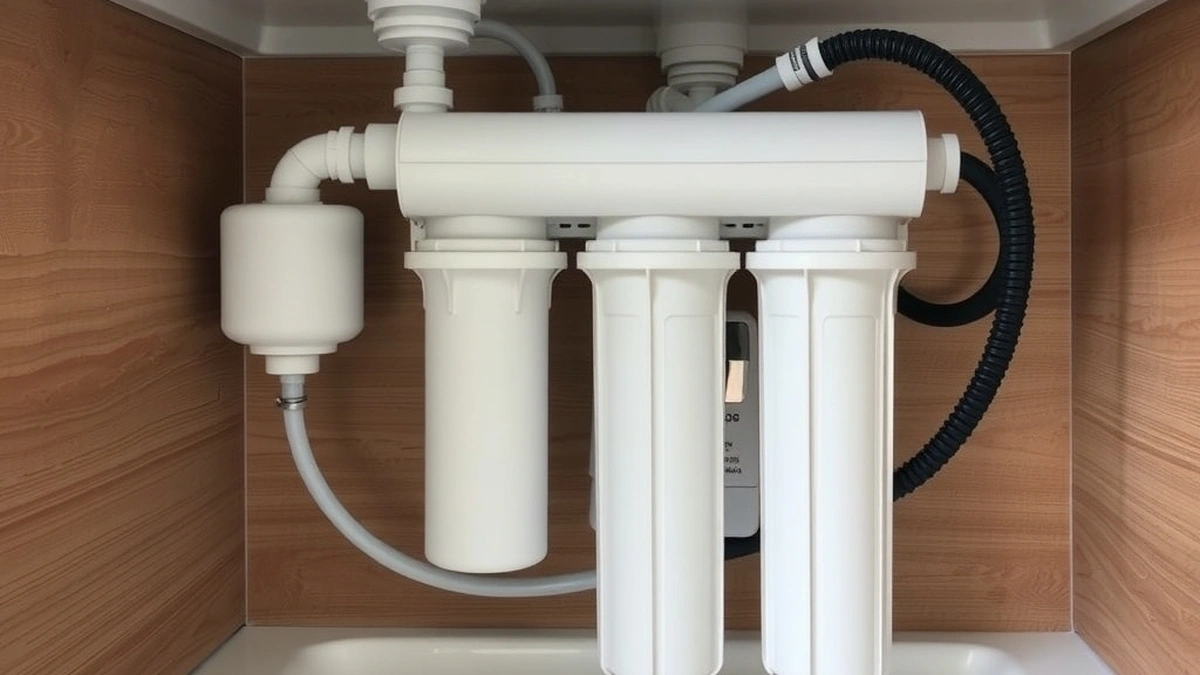
Replace pre-filters every 6–12 months, the RO membrane every 2–3 years, and expect about $60–$150 per year in running costs for a standard under-sink system.
- Pre-filter change
- Every 6–12 months
- RO membrane replacement
- Every 2–3 years
- Post-filter change
- Every 12 months
- Annual running cost
- $60–$150
Some links on this page are affiliate links.If you buy through them we may earn a commission at no extra cost to you. We do not accept payment for rankings. Read the full disclosure.
A reverse osmosis maintenance schedule keeps an under-sink RO system producing water at its rated flow and rejection level. Change sediment and carbon pre-filters every 6 to 12 months, replace the RO membrane every 2 to 3 years, and budget roughly $60 to $150 per year for consumables. Skipping scheduled changes risks premature membrane fouling and higher long-term cost.
Why an RO Maintenance Schedule Matters
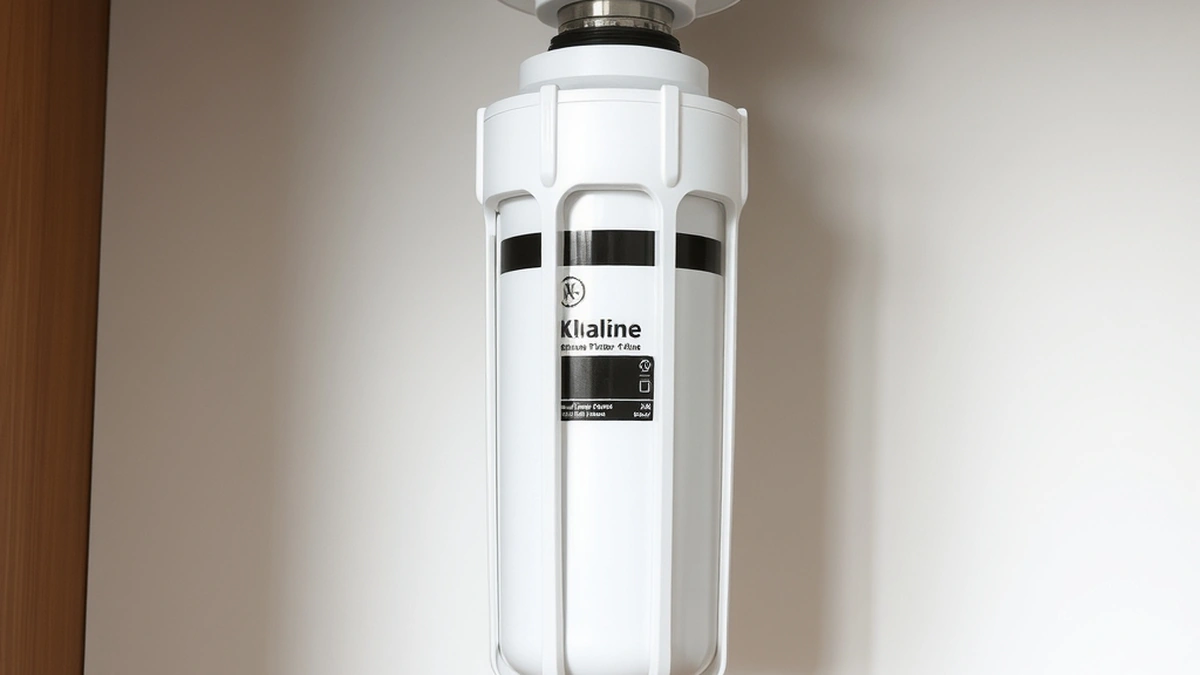
Reverse osmosis systems use pressure to push water through a semi-permeable membrane. Pre-filters protect that membrane from sediment and chlorine, while a post-filter polishes water before it reaches the faucet. When pre-filters clog, feed pressure drops and the membrane works harder. When the membrane ages, rejection rates fall and more dissolved solids pass through. A fixed schedule prevents these issues from developing unnoticed.
RO equipment typically costs $200 to $600, with installed prices around $300 to $900. Annual running costs are estimated at $60 to $150. These figures assume normal household use and average feed water; heavy sediment or high total dissolved solids can shorten filter life.
Typical RO Maintenance Timeline
Use this timeline as a starting point. Adjust intervals based on your water test results and manufacturer guidance.
| Task | Interval | Notes |
|---|---|---|
| Sediment pre-filter | Every 3–6 months | Replace sooner if pressure drops |
| Carbon pre-filter | Every 6–12 months | Protects membrane from chlorine |
| RO membrane | Every 2–3 years | Based on rejection and flow tests |
| Post-filter | Every 12 months | Final polishing before the faucet |
| System sanitization | Every 12 months | During annual filter service |
For a household using 250 gallons of RO water per month, annual product water is about 3,000 gallons. At $60 to $150 per year, the consumable cost works out to roughly $0.02 to $0.05 per gallon. That excludes the waste water sent to drain, which at a 3-to-1 or 4-to-1 ratio means 9,000 to 12,000 gallons of feed water annually for the same output.
Pre-Filter and Carbon Filter Changes
Sediment cartridges usually last 3 to 6 months. Carbon cartridges typically last 6 to 12 months. If your water contains visible sediment or high chlorine, change them on the shorter end of those ranges.
Arithmetic example: A carbon cartridge priced at $80 to $300 per year, changed twice annually, costs $160 to $600 if priced at the high end. Most under-sink systems use lower-cost proprietary cartridges, which is why the overall RO running estimate sits at $60 to $150 per year. Buy filters matched to your system model rather than generic alternatives unless the manufacturer states they are compatible.
RO Membrane Replacement
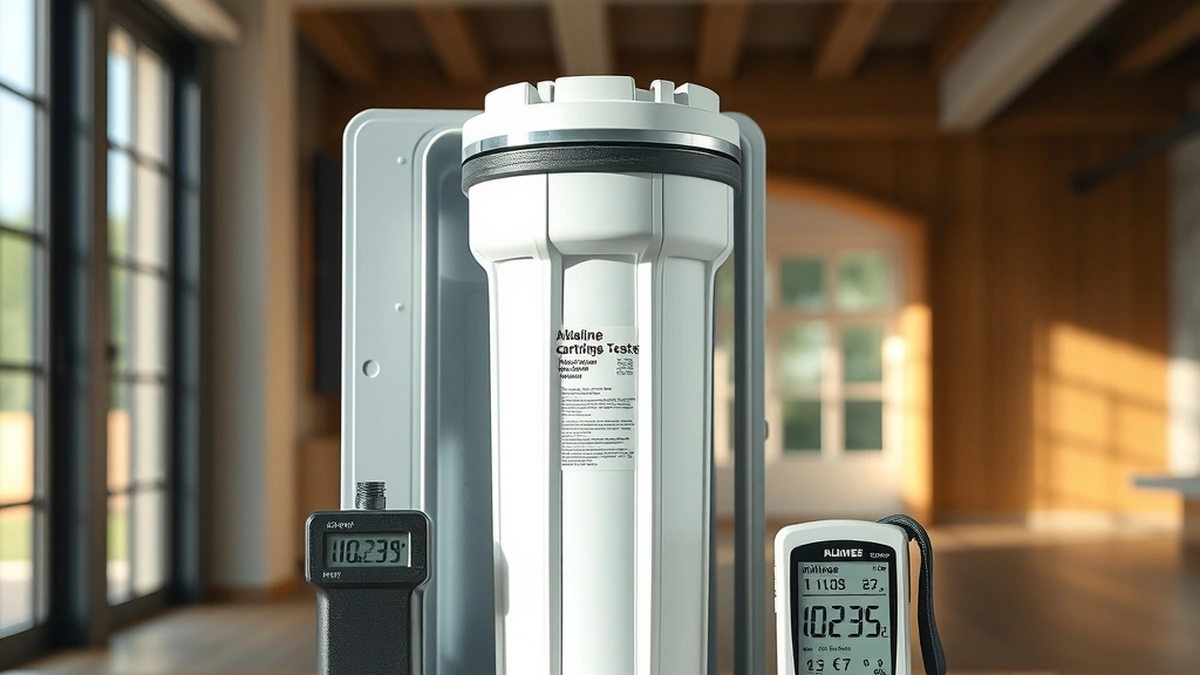
The membrane is the core separation component. Expected life is 2 to 3 years. Signs that replacement is due include slower tank fill times, lower flow at the faucet, and rising total dissolved solids in the product water measured with a handheld meter.
Membrane prices vary by system, but amortized over 24 to 36 months, the annual cost is a modest portion of the $60 to $150 yearly running estimate. When replacing the membrane, sanitize the sump and replace pre-filters at the same time. This prevents old contaminants from seeding the new membrane.
Sanitization and Leak Checks
Once per year, shut off the feed water, drain the storage tank, and sanitize the housing with an approved non-toxic sanitizing solution. Rinse thoroughly before returning the system to service. Inspect all tubing, fittings, and the storage tank bladder for leaks or bulges. A slow leak under the sink can waste hundreds of gallons per year and damage cabinetry.
RO waste ratios run 3 to 4:1. If your system produces 500 gallons of product water per month, expect 1,500 to 2,000 gallons to go to drain. Check the drain saddle and air gap fitting for clogs during each service visit.
When Pretreatment Changes the Schedule
Hard water can scale an RO membrane. If your water tests above 7 grains per gallon, consider a water softener ahead of the RO unit. Softener equipment runs $600 to $2,500, with installed costs of $1,200 to $4,500. Salt costs $120 to $400 per year, and resin beds last 8 to 12 years before a $300 to $600 rebed. Softening ahead of RO can extend membrane life by reducing scale formation.
Iron above 2 to 3 parts per million can foul both softeners and RO membranes. An iron filter costs $800 to $2,500 installed. For well water with sulfur or bacteria, additional treatment may be required before RO. A lab test costs $40 to $150 and tells you what pretreatment, if any, your schedule must accommodate.
If you already own a softener, see our breakdown of how much does a water softener cost and water softener installation cost for context on equipment pairing. For broader whole-house protection, review whole house water filter cost to compare against point-of-use RO.
Keeping Records and Setting Reminders
Log the installation date, filter change dates, membrane replacement date, and pressure readings in a notebook or phone note. Set calendar alerts for every 6 months, even if you only change filters annually. The alert reminds you to inspect pressure, taste, and flow before a problem appears.
Mark the date on each filter housing with a permanent marker when you install it. This makes it obvious at a glance which cartridge is overdue. Store replacement filters in a clean, dry area away from solvents and chemicals.
Bottom Line
A reverse osmosis maintenance schedule is inexpensive compared with emergency membrane replacement or system failure. Change pre-filters every 6 to 12 months, replace the membrane every 2 to 3 years, sanitize annually, and test your water before adding pretreatment. Budget $60 to $150 per year for consumables on a standard under-sink system, and adjust intervals based on your actual water quality and usage.
Next, compare how much does a water softener cost, water softener installation cost, whole house water filter cost before you commit.
Frequently asked questions
How often should I change RO pre-filters?
Most under-sink RO systems need sediment and carbon pre-filter changes every 6 to 12 months, depending on water quality and usage.
When should the RO membrane be replaced?
The RO membrane typically lasts 2 to 3 years before rejection rates drop and flow slows enough to warrant replacement.
What does RO maintenance cost per year?
Expect roughly $60 to $150 per year for replacement filters and membrane amortization on a standard under-sink RO system.
Can I skip pre-filter changes to save money?
Skipping pre-filter changes lets sediment and chlorine reach the membrane, which can shorten membrane life and increase long-term cost.
Does an RO system need a water test first?
Yes. A lab test costing $40 to $150 confirms hardness, iron, and other parameters that determine whether pretreatment is needed.
What is the typical waste ratio for RO?
Standard under-sink RO systems send roughly 3 to 4 gallons of water to drain for every 1 gallon of product water.
Sources
Some links are affiliate links.If you buy through them we may earn a commission at no extra cost to you. We do not accept payment for rankings. Read the full disclosure.