Softener noise: hissing, knocking, running at night
A softener should be quiet except during regeneration. See what hissing, knocking, and nighttime running each mean, and which ones need a repair.
A softener is nearly silent in service and noisy only during regeneration, when water flows to drain for 60 to 90 minutes. Continuous hissing means a valve is passing water, knocking means water hammer, and nightly running means a wrong schedule.
- Normal sound
- Quiet flow during regeneration
- Regeneration length
- 60 - 90 minutes
- Hissing cause
- Valve passing or brine line leak
- Knocking cause
- Water hammer or loose pipe
- Nightly runs
- Wrong capacity or meter setting
Some links on this page are affiliate links.If you buy through them we may earn a commission at no extra cost to you. We do not accept payment for rankings. Read the full disclosure.
A softener has two sound states. In service it should be silent apart from faint water movement. During regeneration it makes noise for 60 to 90 minutes as water runs to drain. Anything outside those two states is a symptom, and the pitch of the symptom points at the cause.
The Normal Sounds
During regeneration you will hear water flowing through the drain line, the valve motor indexing between positions, and occasionally a gurgle as the brine tank draws down. That is the machine doing its job.
Most units regenerate at 2 or 3 in the morning precisely so the noise and the temporary hard water are unnoticed. If yours runs at that hour and you hear it from a bedroom above the utility room, that is normal.
| Sound | When | Normal? |
|---|---|---|
| Water flowing to drain | During regeneration | Yes |
| Valve motor whine or click | Start and end of cycle | Yes |
| Gurgle from brine tank | Brine draw | Yes |
| Faint hum | Continuous | Usually yes |
| Loud hiss | Continuous | No |
| Bang or knock | When a tap closes | No |
| Running every night | Any time | No |
Hissing: A Valve Passing Water
A continuous hiss is the sound of water moving through a restriction. On a softener it usually means one of three things.
The valve is stuck in backwash or rinse. If the piston does not return to service position after regeneration, water keeps flowing to drain. Check by feeling the drain line: if it is running when the unit is not in a cycle, the valve is the problem.
A seal or piston is worn. Valve internals wear over years, and a worn seal lets water bypass. A rebuild kit typically runs $40 to $120 and takes an hour.
The brine line has a leak or a loose fitting. A small air leak on the brine line hisses during draw. Tighten the fittings and check the float assembly.
Any of these wastes water continuously and can flood a floor if the drain line is compromised. Treat a persistent hiss as urgent rather than cosmetic.
Knocking and Banging
Knocking is not the softener itself in most cases. It is water hammer, the pressure spike that travels through piping when a valve closes quickly. A softener valve changes position in a fraction of a second, and that can set up the same shock.
Four common causes:
- A loose pipe strap letting the line move against a joist
- A missing or waterlogged hammer arrestor
- A pressure-reducing valve set too high, raising the whole system’s pressure
- A check valve chattering under low flow
The fix depends on the cause. Strapping the pipe is the cheapest and most common. If the knock follows any fast-closing fixture, not just the softener, the issue is system-wide and a hammer arrestor belongs at the fixture.
Running Every Night
A softener that regenerates nightly is either misconfigured or misreading.
Wrong capacity setting. A 48,000 grain unit programmed as 24,000 will exhaust in half the expected time and regenerate twice as often. Confirm the setting matches the tank.
Wrong hardness setting. Programmed at 5 GPG when the water tests at 18 GPG means the unit thinks it has far more capacity than it does. Retest and reset.
Meter not registering. A metered valve regenerates on gallons used. If the meter turbine is stuck or the cable is disconnected, the valve may fall back to a default or run on a fixed schedule.
Timer mode instead of meter mode. Some valves can be set to regenerate every N days regardless of use. That is a setting choice, and it is wasteful at low demand.
| Setting | Effect if wrong | Fix |
|---|---|---|
| Capacity | Regenerates too often or too late | Match the tank’s grain rating |
| Hardness | Exhausts early | Set to the lab result |
| Meter | Runs on schedule, not use | Check turbine and cable |
| Regeneration time | Noise at the wrong hour | Set to 2 or 3 a.m. |
The Motor and the Click
A single click when the valve moves is the motor indexing. Repeated clicking, or a motor that whines without moving, points to a stripped gear or a failed position switch. On most valves the motor and powerhead are replaceable separately from the body, which keeps the repair in the $100 to $250 range rather than a full replacement.
If the valve is more than ten years old and the motor, seals, and piston all need work, compare the repair against a new unit. Equipment runs $600 to $2,500 and installed cost $1,200 to $4,500.
Five Steps to Quiet It Down
- Identify the timing. Noise only during regeneration is normal; noise at other times is not.
- Feel the drain line when the unit is idle; flow means the valve is passing.
- Check the brine line fittings for air leaks and the float for a stuck position.
- Verify capacity, hardness, and meter settings against the lab report and the tank label.
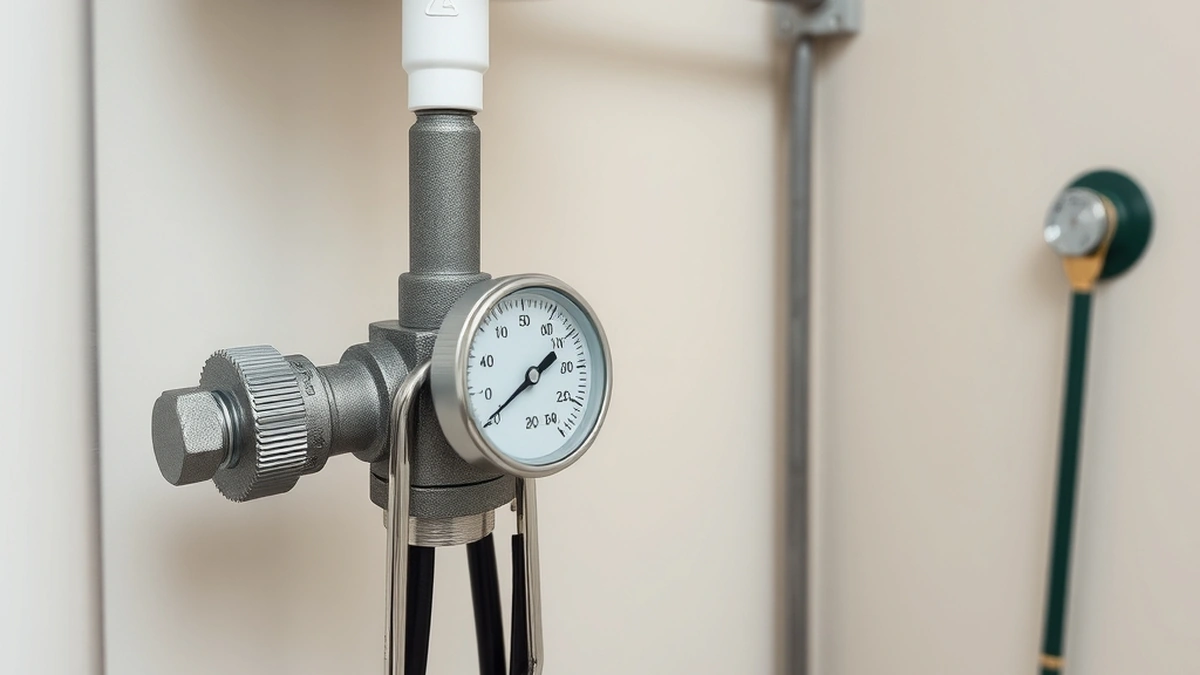
- Strap loose pipe and confirm system pressure is under about 80 psi.
When to Call Someone
Call for service if the drain line runs continuously, if water appears on the floor, if the unit will not complete a cycle, or if the motor clicks without moving. Those are valve-level faults that need parts.
Do not call for a single regeneration noise, a gurgle, or a click at cycle start. Those are the machine working. If the noise coincides with hard water at the tap, the diagnosis order in softener stopped softening will find the fault faster than listening will, drain requirements for a softener covers a blocked or gurgling drain line, and water softener repair covers what the visit typically costs.
Frequently asked questions
Is it normal for a water softener to make noise at night?
Yes if it is regenerating, which most units schedule for the early morning; the sound of water moving to drain for an hour is normal operating noise.
Why is my softener hissing constantly?
Continuous hissing usually means the control valve is passing water to drain, a seal is worn, or the brine line has a leak, and it should be investigated before it floods.
What causes knocking or banging near a softener?
Water hammer from a fast-closing valve, a loose pipe strap, or a pressure surge when the softener valve changes position are the usual causes.
Why does my softener run every night?
Either the capacity or hardness setting is wrong, the meter is not registering use, or the unit is set to a fixed timer schedule that regenerates daily.
Is a clicking sound from the valve normal?
A click at the start and end of regeneration is the valve motor moving between positions; continuous clicking suggests the motor or the position switch is failing.
Can noise mean the softener is failing?
Sometimes. Hissing and continuous running are the two sounds most often associated with a valve problem, while occasional regeneration noise is normal.
Sources
Some links are affiliate links.If you buy through them we may earn a commission at no extra cost to you. We do not accept payment for rankings. Read the full disclosure.