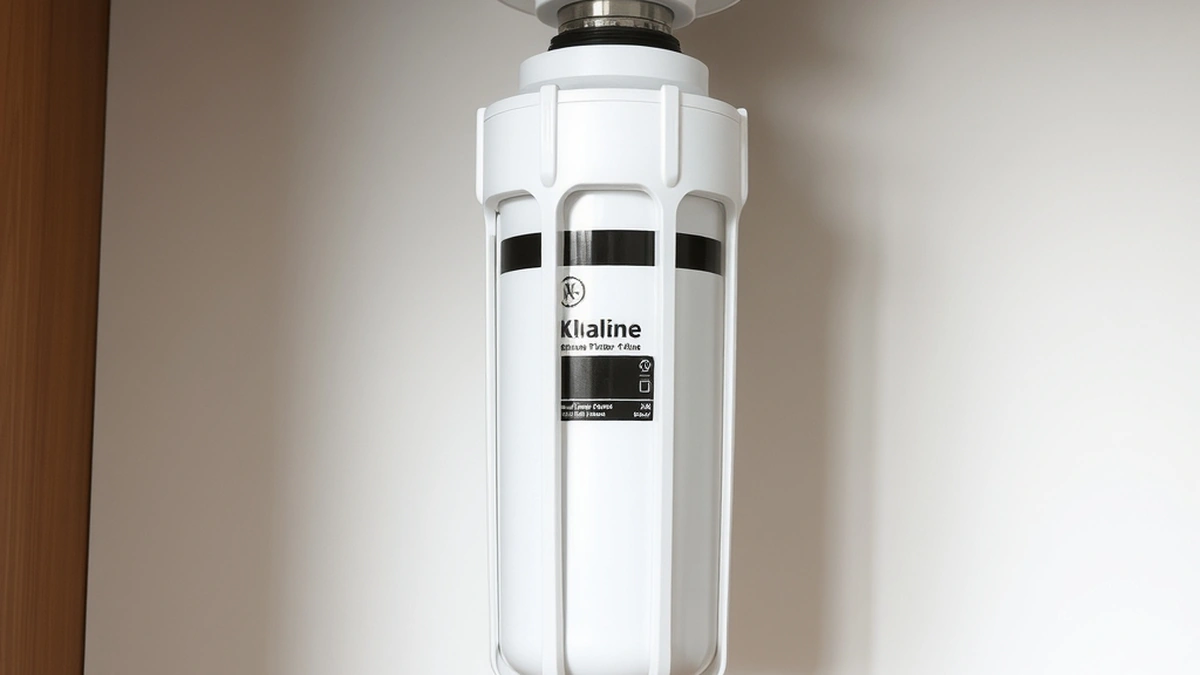
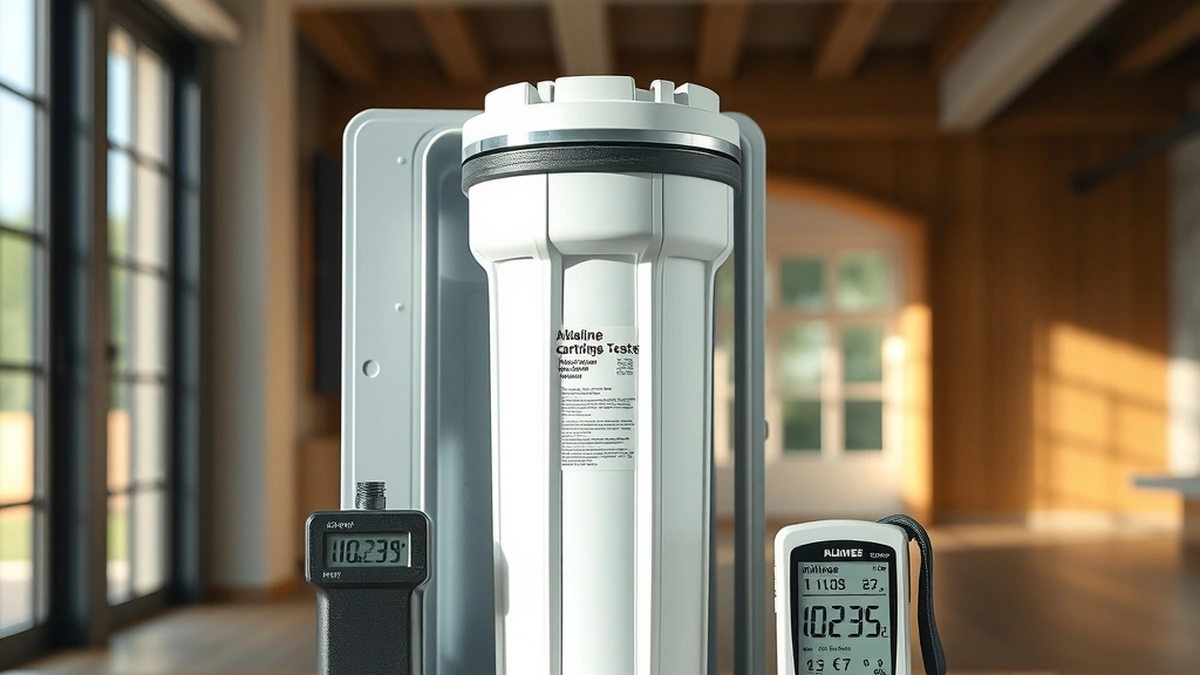
whole house reverse osmosis maintenance schedule
Whole house RO maintenance spans prefilters quarterly, a membrane every 2-3 years, and pump checks yearly. See the calendar and $300-$700 annual cost.
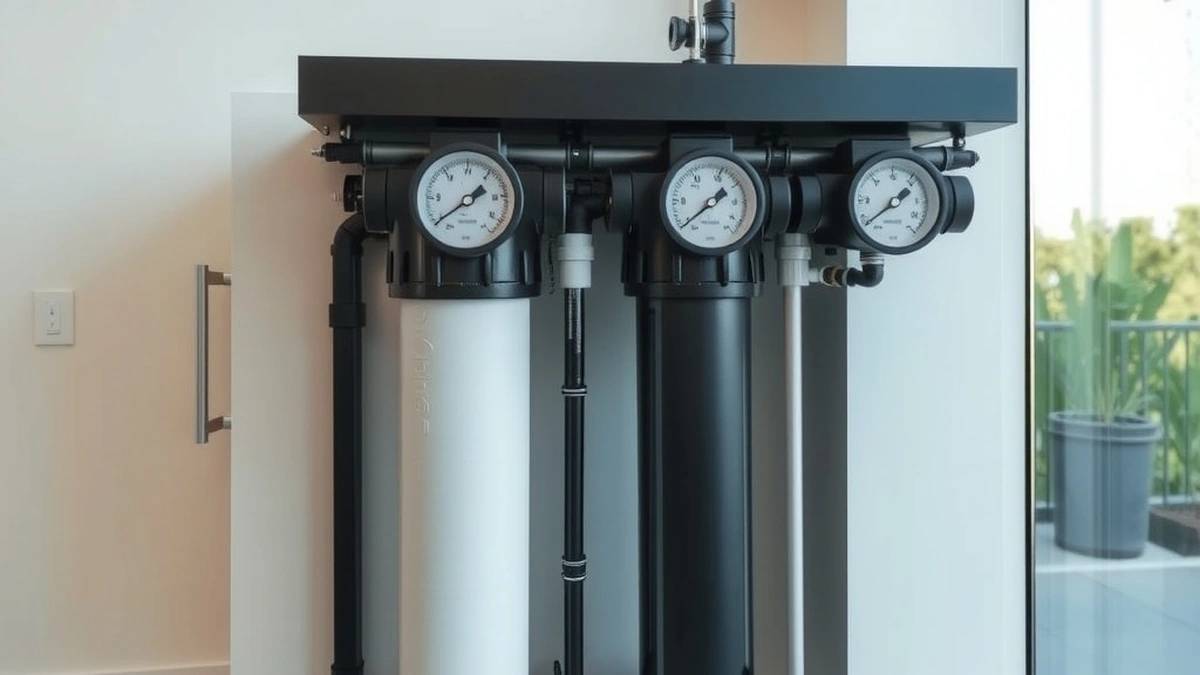
Whole house reverse osmosis maintenance is a sediment prefilter every 3-6 months, carbon every 6-12 months, a membrane every 2-3 years, and an annual pump and storage tank check. Budget $300-$700 per year.
- Prefilter
- Every 3 - 6 months
- Carbon stage
- Every 6 - 12 months
- Membrane
- Every 2 - 3 years
- Annual cost
- $300 - $700
- Waste ratio
- 3-4:1
Some links on this page are affiliate links.If you buy through them we may earn a commission at no extra cost to you. We do not accept payment for rankings. Read the full disclosure.
Whole house reverse osmosis maintenance is a sediment prefilter every 3-6 months, carbon every 6-12 months, a membrane every 2-3 years, and an annual pump and tank check. Budget $300-$700 a year, most of it pretreatment. The membrane is the expensive part, and pretreatment is what protects it.
Why pretreatment dominates the schedule
A whole house reverse osmosis system treats every gallon entering the house. That means the membrane seeswhatever sediment, chlorine, and hardness the water carries, at full household flow.
Chlorine destroys thin-film composite membranes. Hardness scales them. Sediment blinds the feed spacer. Each of those failure modes is prevented by a cartridge that costs $20-$120, which is why the prefilter calendar is the most important page in the manual.
A system that runs $300-$700 per year in maintenance is usually a system whose pretreatment is working. A system that needs a membrane every year is one where pretreatment has lapsed.
The calendar
| Interval | Task | Cost |
|---|---|---|
| Monthly | Record permeate and feed TDS, note pressures | $0 |
| Every 3 - 6 months | Sediment prefilter | $15 - $40 |
| Every 6 - 12 months | Carbon stage | $40 - $120 |
| Annually | Sanitize system, inspect tubing and fittings | $10 - $30 |
| Annually | Check storage tank precharge, pump operation | $0 |
| Every 2 - 3 years | Membrane replacement | $200 - $600 |
| Every 5 years | Inspect pressure vessels and replace O-rings | $50 - $150 |
The monthly TDS log is the early warning system. A rejection percentage that falls from 92 to 85 over three months tells you the membrane is degrading before production drops enough to notice.
Tracking rejection
Rejection is feed TDS minus permeate TDS, divided by feed TDS, times 100. With feed at 400 ppm and permeate at 32 ppm, rejection is (400 − 32) ÷ 400 × 100 = 92 percent.
Record it monthly. A drop of five points or more from the commissioning number means something changed: a failed O-ring, a cracked membrane, or chlorine breakthrough from an exhausted carbon stage.
A sudden drop usually means a seal failure rather than a membrane failure. Check the O-rings and the interconnector before ordering a $200-$600 element.
A gradual drop over a year is normal aging. Plan the replacement when rejection falls below the manufacturer’s minimum, typically 80-85 percent.
Sanitizing and membrane care
Sanitize once a year and after any membrane change. Use a food-grade sanitizer at the dilution the manufacturer specifies, circulate it through the system, and flush thoroughly before returning to service.
Do not sanitize with chlorine on a thin-film composite membrane unless the procedure explicitly allows it. Chlorine damage is permanent and shows as a permanent loss of rejection.
Store a spare membrane dry and sealed if you keep one on the shelf. A membrane exposed to air and light degrades, and an old spare is no better than the one you are replacing.
Pumps and storage
The booster pump provides the pressure the membrane needs. Listen to it monthly; a pump that sounds rougher or runs hotter is wearing.
The repressurization pump moves water from storage to the house. Short cycling points to a waterlogged tank or a failed pressure switch.
Check the storage tank precharge annually with the tank drained. Most bladder tanks ship at 7-8 psi and need recharging every few years. A tank that will not hold precharge has a failed bladder and needs replacement at $400-$1,200.
When maintenance becomes repair
A membrane housing that leaks at the end cap needs a new O-ring, not a new housing. A pressure vessel that weeps at the body is a replacement.
A booster pump that runs continuously with the system idle points to a check valve failure. That is a $30-$80 part and a common cause of high water bills.
A system that produces water but sends it all to drain has a failed shutoff valve or a stuck float. Both are inexpensive parts, and both waste hundreds of gallons before anyone notices.
Cost over five years
Five years of prefilters and carbon at $250 per year is $1,250. Two membranes at $400 is $800. Two sanitizing kits at $20 is $40. One set of vessel O-rings at $100 is $100.
Total: $2,190 over five years, or $438 per year, which sits inside the $300-$700 band. Electricity for two pumps adds roughly $60-$120 per year at typical rates.
For the installation side, whole house reverse osmosis installation covers pretreatment and storage sizing. If rejection has fallen and the membrane is due, change RO membrane walks the replacement procedure. “”
A twelve-month task list
Print this and keep it in the utility room. It covers a full year in the order the tasks come due.
- January: change carbon, record rejection percentage.
- March: change sediment prefilter, inspect tubing.
- June: sanitize the system, check tank precharge.
- September: change sediment prefilter, test feed and product TDS.
- December: review the year’s rejection numbers and plan membrane replacement.
Two prefilter changes a year is the minimum on municipal water. A well with sediment needs four, and the calendar shifts accordingly.
Add one more habit to the list: note the feed pressure when the system is clean. A booster pump that has to work harder than it did last year is telling you the prefilters are loading faster or the membrane is fouling. That single gauge reading explains most production complaints before anyone opens a housing. Reverse osmosis maintenance covers the point-of-use version of the same routine, where the failure modes are smaller but identical.
Frequently asked questions
How often does a whole house RO membrane need replacing?
Every 2-3 years under normal feed water. High hardness, chlorine breakthrough, or iron fouling can cut that to 12-18 months, which is why pretreatment maintenance matters.
How much does whole house RO maintenance cost per year?
Three hundred to seven hundred dollars in prefilters, carbon, and amortized membrane replacement, plus electricity for the booster and repressurization pumps.
What happens if the prefilter is not changed?
Sediment blinds the membrane feed spacer, production drops, and the booster pump works harder. A $20 cartridge protects a $200-$600 membrane.
How do I know the membrane is failing?
Permeate TDS rises toward feed TDS, production falls, or pressure drop across the housing increases. Track the rejection percentage monthly to catch it early.
Does the storage tank need maintenance?
Check the precharge pressure annually with the tank drained, and inspect for bladder failure. A waterlogged tank makes the repressurization pump short-cycle.
How often should the system be sanitized?
Once a year, or after any membrane change. Use a food-grade sanitizer per the manufacturer's procedure and flush thoroughly before returning to service.
Sources
Some links are affiliate links.If you buy through them we may earn a commission at no extra cost to you. We do not accept payment for rankings. Read the full disclosure.