catalytic carbon filter maintenance schedule
Catalytic carbon maintenance is monthly backwash checks, media replacement every 3-5 years at $180-$450, and annual chloramine testing. See the calendar.
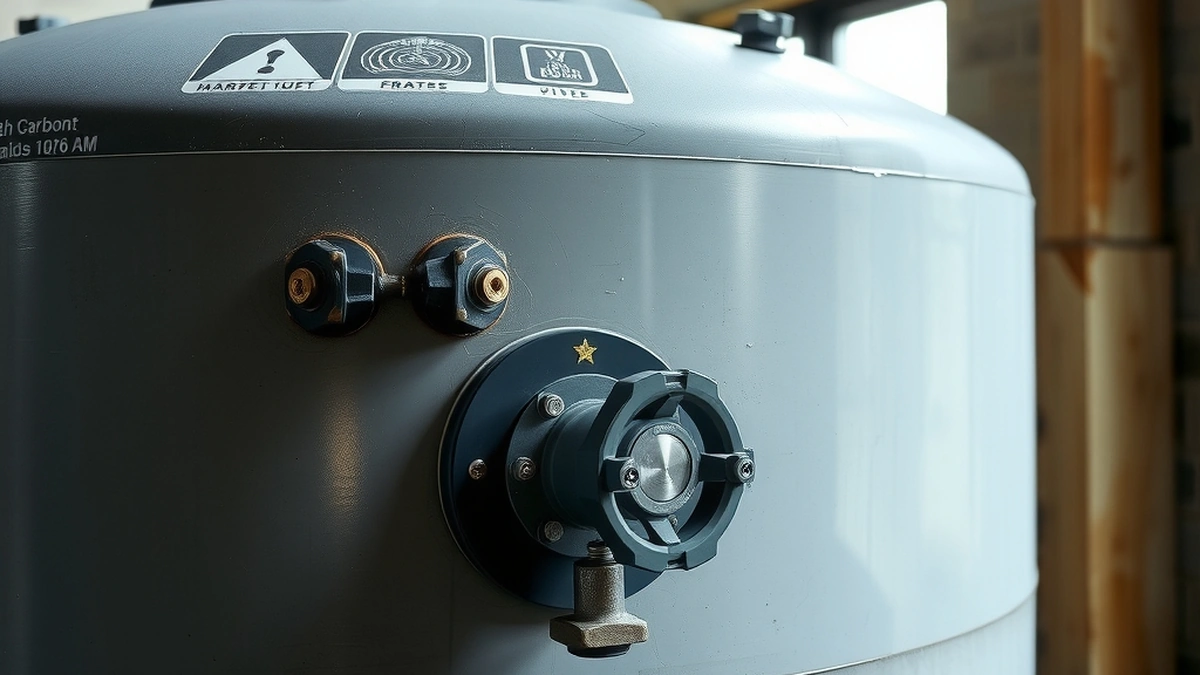
Catalytic carbon filter maintenance is a monthly backwash check, a sediment prefilter every 3-6 months, and media replacement every 3-5 years at $180-$450. Annual cost runs $60-$150 before the media year.
- Backwash check
- Monthly
- Media life
- 3 - 5 years
- Media cost
- $180 - $450
- Annual cost
- $60 - $150
- Prefilter
- Every 3 - 6 months
Some links on this page are affiliate links.If you buy through them we may earn a commission at no extra cost to you. We do not accept payment for rankings. Read the full disclosure.
Catalytic carbon filter maintenance is a monthly backwash check, a sediment prefilter every 3-6 months, and media replacement every 3-5 years at $180-$450. Annual cost runs $60-$150 in the years between media changes. The monthly check is what protects the media.
What the maintenance is protecting
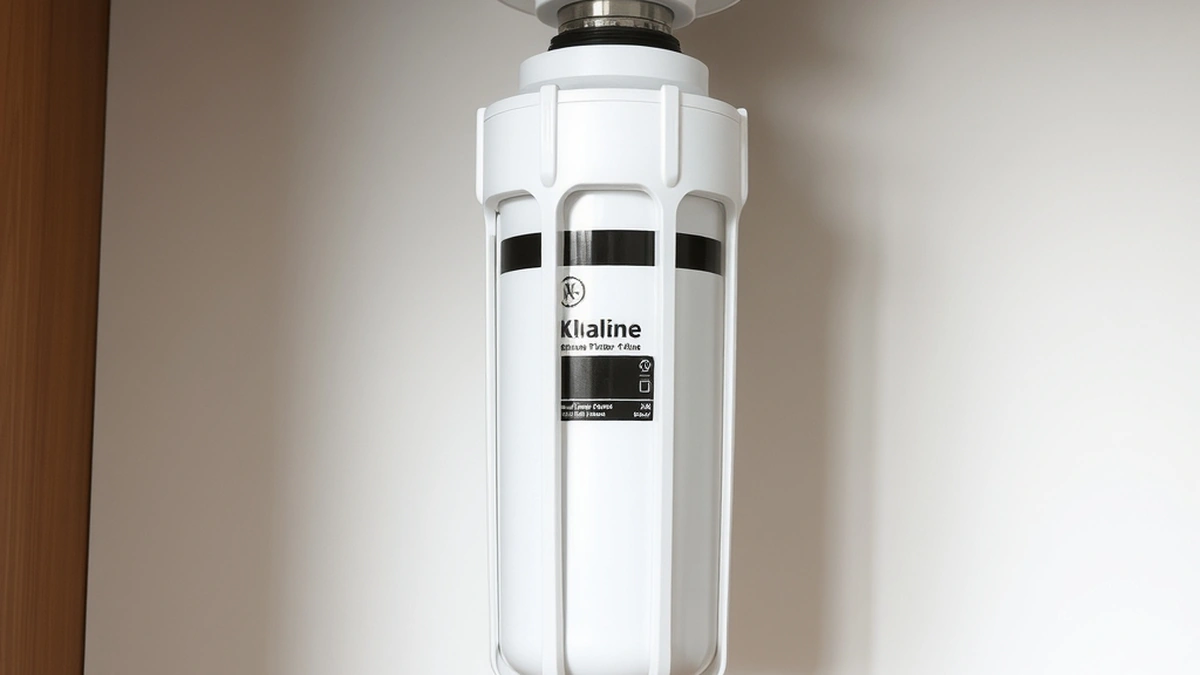
A catalytic carbon filter is a point-of-entry tank with carbon media processed to break down chloramine and hydrogen sulfide. Backwash lifts the bed and flushes captured solids to drain.
Two things degrade the media: chemical exhaustion and physical fouling. Exhaustion happens on gallons treated. Fouling happens when backwash fails and sediment coats the granules.
Maintenance addresses both. The backwash check protects against fouling; the annual chloramine test tracks exhaustion. Neither task takes more than a few minutes.
The calendar
| Interval | Task | Cost |
|---|---|---|
| Monthly | Watch a backwash, confirm drain flow | $0 |
| Every 3 - 6 months | Sediment prefilter change | $10 - $30 |
| Every 6 months | Exercise bypass valves | $0 |
| Annually | Test chlorine or chloramine at a tap | $0 - $60 |
| Annually | Inspect valve, drain line, and fittings | $0 |
| Every 3 - 5 years | Replace media | $180 - $450 |
A household with a prefilter goes through about three cartridges a year at $20, or $60, plus an annual test kit at $25. That is $85 per year until the media year, which lands between $500 and $900 installed.
Watching a backwash
Trigger a manual cycle and stay for it. The drain should run strongly, the water should darken as the bed lifts, and the rinse should clear.
Flow should be 5-10 GPM. A trickle means a clogged drain line, a failed flow control, or a valve that is not fully opening.
If the water never darkens, the bed is not expanding, which means the backwash flow is too low to lift the media. That filter is not being cleaned even though the valve runs on schedule.
If media comes out the drain, the flow is too high. A restrictor on the drain line fixes it, and lost media has to be replaced to restore bed depth.
Testing for breakthrough
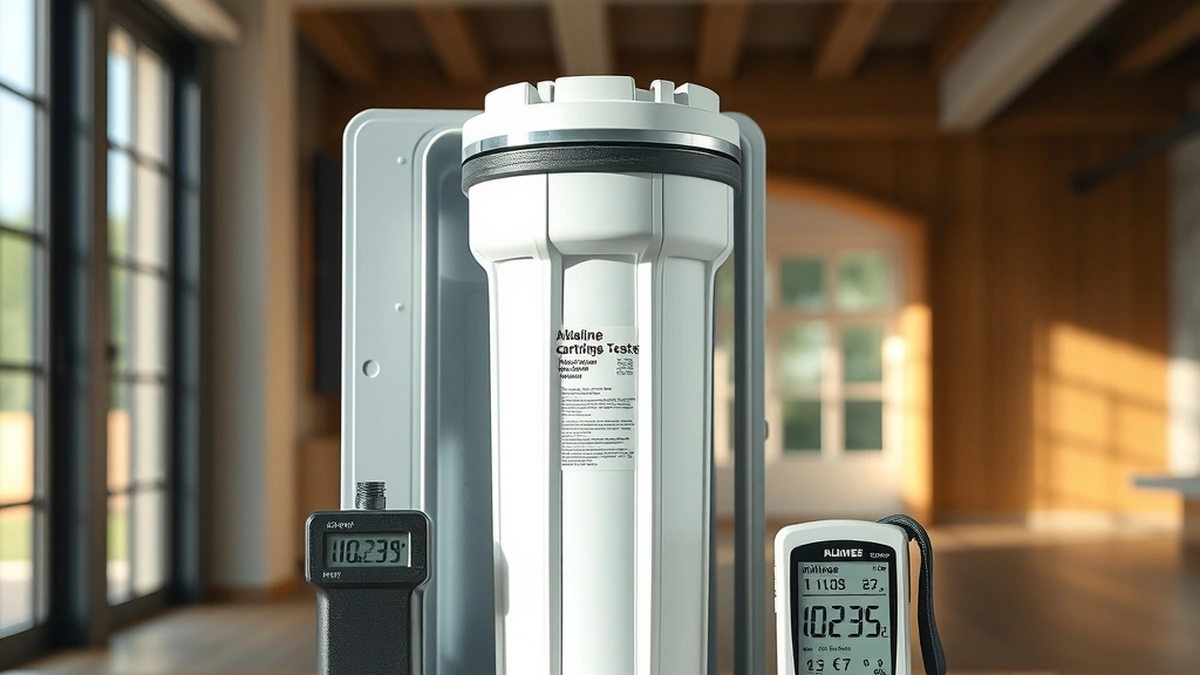
A free chlorine or total chlorine test at a treated tap tells you whether the bed is still working. Test after the tank and before any downstream carbon stage.
Zero chlorine at the tap is the goal on a chlorinated supply. A rising number over months means the bed is exhausting, and the replacement is due rather than optional.
For chloramine, use a total chlorine test, since free chlorine will read near zero even when chloramine is passing. That distinction trips up a lot of homeowners who test the wrong parameter and conclude the filter is fine.
Media replacement
Replacement means isolating the tank, removing the valve, extracting the media, adding new media and gravel, and reassembling. A 1.5-cubic-foot tank takes about two hours.
Cost is $180-$450 for media, or $500-$900 installed. Catalytic media costs more than standard GAC, which is why the replacement is worth planning for rather than discovering.
Do not top off a spent bed with fresh media. The bed stratifies and the fresh carbon does the work while the old material fouls, which shortens the next interval to two years.
Prefilter, the cheap insurance
A 5-micron cartridge ahead of the tank keeps grit out of the valve and off the media. Without it, sediment coats the granules and backwash cannot lift it.
Change it every 3-6 months. On a well with visible sediment, every 6-8 weeks.
A prefilter that loads in weeks is telling you something about the source. Iron, manganese, or well fines need upstream treatment, and a coarser cartridge is not the answer.
When the media is not the problem
High flow is the most common false diagnosis. A 1.5-cubic-foot tank at 15 GPM has seconds of contact time, and chloramine passes regardless of media condition.
A failed backwash is the second. A valve that runs but does not draw will leave the bed fouled, and the water tastes like a pool within days.
A change in the utility’s disinfectant is the third. Utilities switch between chlorine and chloramine seasonally, and a filter sized for one may struggle with the other. Chlorine in tap water covers what those switches mean for treatment.
Cost over ten years
Nine years of prefilters and tests at $85 is $765. Two media changes at $650 installed is $1,300. Total: $2,065 over ten years, or $207 per year.
That is the honest cost of running a carbon tank. For the price bands without labor, catalytic carbon filter cost breaks out media and hardware, and catalytic carbon filter installation covers the commissioning steps. “”
Six checks at the annual service
Once a year, work through the system in this order. It takes under an hour and catches the failures that show up as taste complaints.
- Confirm the drain line is clear by watching a full backwash.
- Measure drain flow with a bucket and a timer against the valve’s rated rate.
- Test free and total chlorine after the tank.
- Inspect the bypass and inlet fittings for mineral crust.
- Check the valve’s clock and backwash frequency against the water’s sediment load.
- Note the media’s surface through the tank opening if the valve allows it.
A bed that has dropped noticeably below its original level has lost media to a high backwash rate. That is a flow-control problem, and replacing media without fixing it wastes the new bed. Carbon block versus GAC explains why the media type also changes the interval.
Frequently asked questions
How often does catalytic carbon media need replacing?
Every 3-5 years under normal chloramine service. High sediment, iron, or hydrogen sulfide loads can exhaust the bed in 2-3 years.
How often should a catalytic carbon filter backwash?
Every 3-7 days depending on sediment load. A municipal supply can run weekly; a well with grit needs a shorter interval.
How much does catalytic carbon media cost?
One hundred eighty to four hundred fifty dollars for media, or $500-$900 installed with labor. A 1.5-cubic-foot tank sits at the low end.
Does catalytic carbon need a prefilter?
Yes, on any supply with sediment. A 5-micron cartridge ahead of the tank keeps grit out of the valve and extends the backwash interval.
Why does my carbon filter stop removing chloramine?
The bed is exhausted, the backwash is failing, or the flow is too high for the media volume. Test the treated water before replacing media.
How do I know when to replace the media?
Chloramine or chlorine reads at the tap, taste returns, or backwash no longer clears the bed. Media life is 3-5 years; testing beats guessing.
Sources
Some links are affiliate links.If you buy through them we may earn a commission at no extra cost to you. We do not accept payment for rankings. Read the full disclosure.