countertop reverse osmosis maintenance schedule
Countertop RO maintenance is a filter change every 6-12 months, a membrane every 2-3 years, and a weekly reservoir clean. Costs $60-$150 a year.
Countertop reverse osmosis maintenance is a reservoir rinse weekly, sediment and carbon filters every 6-12 months, and a membrane every 2-3 years. Consumables run $60-$150 per year, and descaling is needed monthly in hard water.
- Reservoir clean
- Weekly
- Filter change
- 6 - 12 months
- Membrane life
- 2 - 3 years
- Annual cost
- $60 - $150
- Descale
- Monthly in hard water
Some links on this page are affiliate links.If you buy through them we may earn a commission at no extra cost to you. We do not accept payment for rankings. Read the full disclosure.
Countertop reverse osmosis maintenance is a weekly reservoir rinse, filter changes every 6-12 months, a membrane every 2-3 years, and monthly descaling in hard water. Consumables run $60-$150 per year. The cleaning routine matters more than the parts, because a dirty reservoir undoes a fresh filter.
The parts that wear
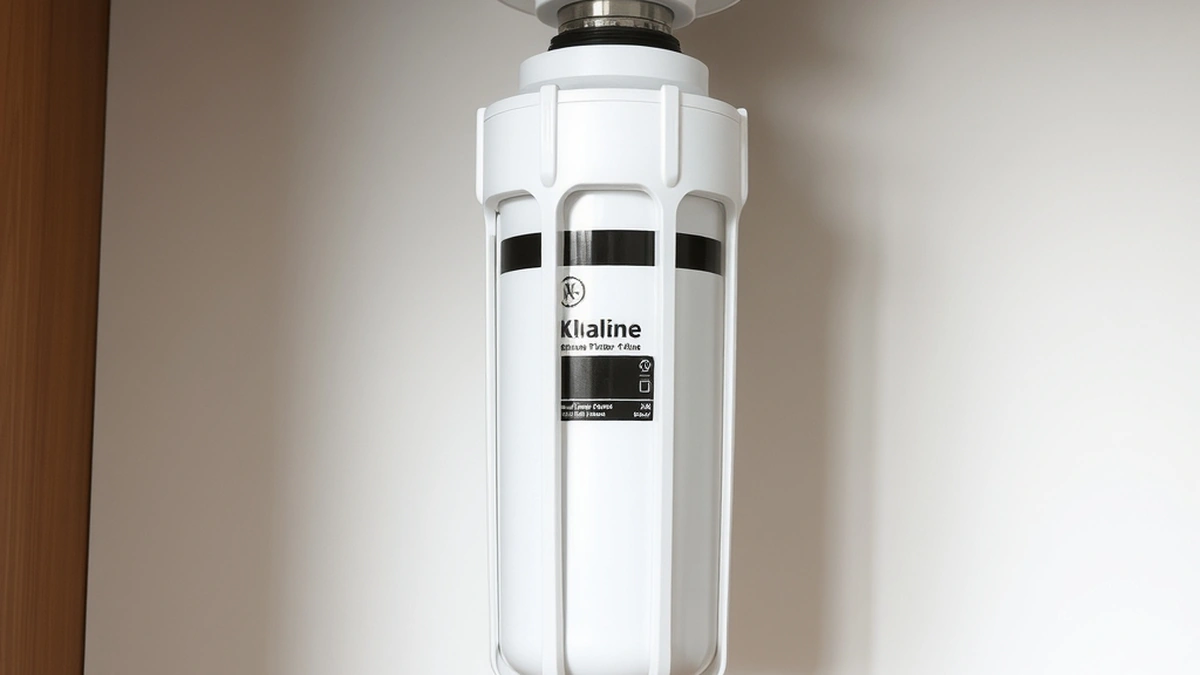
A countertop reverse osmosis unit has four wear items: the sediment pre-filter, the carbon filter, the membrane, and the reservoir itself. The first three are cartridges; the fourth is a cleaning task.
The membrane does the actual separation work and rejects 80-95 percent of dissolved solids. It is protected by the two filters ahead of it, which is why changing those on schedule extends membrane life.
The reservoir is where biofilm grows. It holds water at room temperature, often in a kitchen, and that is the ideal environment for the pink and white films that show up on bathroom tile. Cleaning it is not cosmetic.
The schedule in full
| Interval | Task | Cost |
|---|---|---|
| Weekly | Empty, rinse, air-dry reservoir | $0 |
| Monthly | Vinegar soak for mineral film | $2 |
| Every 6-12 months | Sediment and carbon filters | $30 - $90 |
| Every 12 months | Inspect seals and tubing | $0 |
| Every 2-3 years | Membrane replacement | $40 - $80 |
| As needed | Deep clean with food-grade sanitizer | $5 |
That totals $60-$150 per year when the membrane is amortized. A household producing 1 gallon per day sits at the low end; one producing 3 gallons per day sits at the top and may need filters every 6 months rather than annually.
Cleaning the reservoir properly
Empty the reservoir into the sink, then wash it with warm water and a drop of dish soap. Rinse until the water runs clear and no soap film remains.
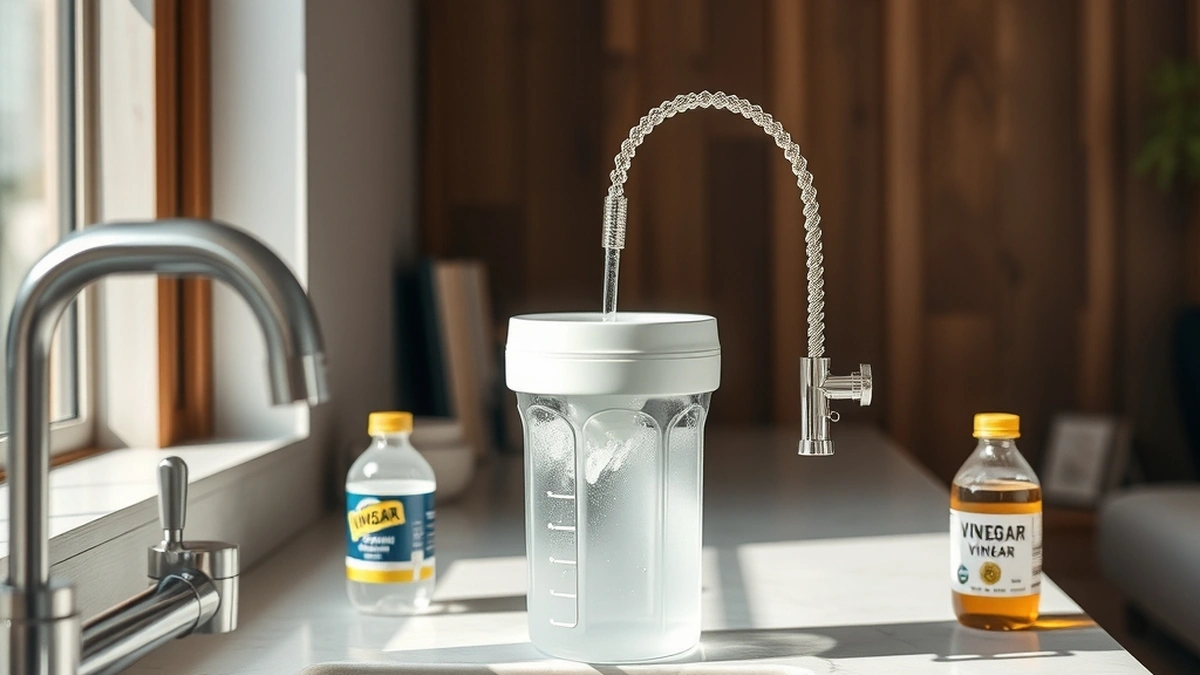
Once a month, fill it with one part white vinegar to three parts water and let it sit for 20 minutes. That dissolves the calcium film that cloudy water leaves behind. Rinse twice and air dry upside down.
Do not put reservoir parts in a dishwasher unless the manual says they are dishwasher safe. Heat warps the plastic and distorts the seal, which causes leaks.
If the reservoir smells musty after cleaning, use a food-grade sanitizer made for water containers, follow the dilution on the label, and rinse thoroughly. Household bleach works at 1 teaspoon per gallon, but it must be rinsed completely or the next batch will taste like a pool.
Filter and membrane changes
- Unplug the unit and empty the reservoir.
- Remove the housing or twist out the cartridges, depending on the model.
- Note the orientation of each cartridge before pulling it.
- Install the new sediment stage first, then carbon.
- Reinstall the membrane only if it is due; otherwise leave it seated.
- Run two full batches and discard them before drinking.
The first batches after a filter change carry carbon fines and air. Discarding them is standard, not a sign of a defect.
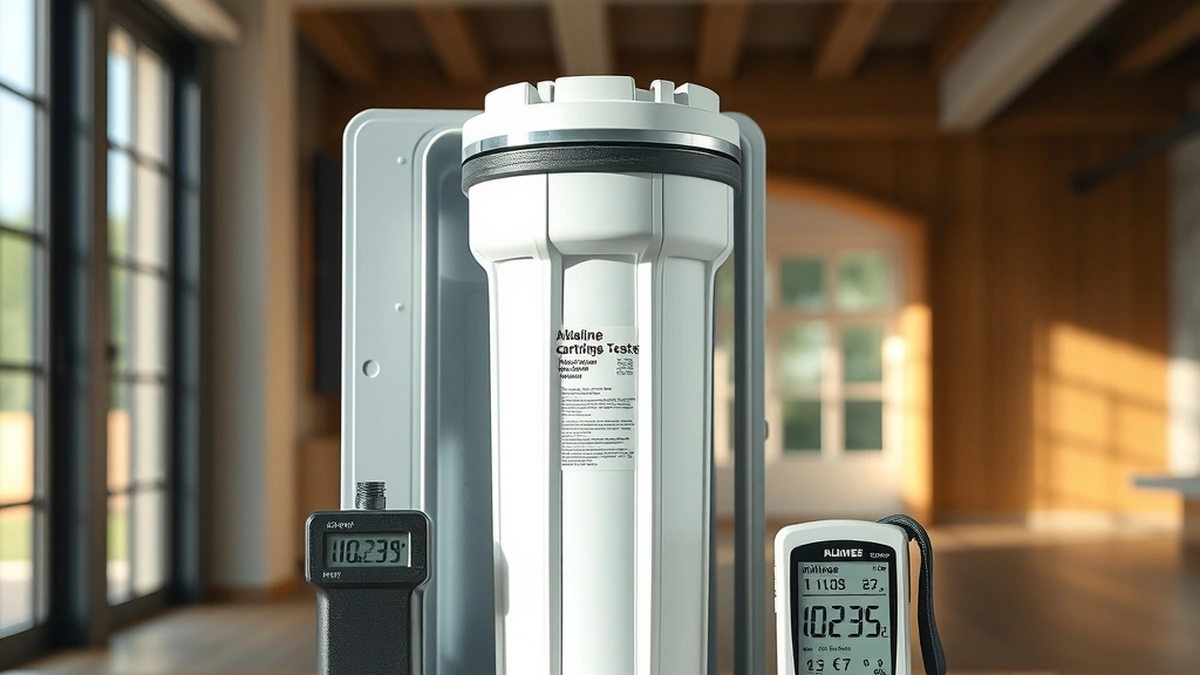
Membrane replacement is a 2-3 year job and usually follows a drop in production or a rising TDS reading. If production falls but TDS stays low, the pre-filters are clogged, not the membrane.
Reading the signs
Slow production is the most common complaint. Check the pre-filters first, then the membrane. A unit that produced a gallon in 4 hours and now takes 6 has a flow problem, not a quality problem.
A chalky taste or white film on the reservoir means hardness is passing through, which points to a membrane that has degraded or a bypassed seal.
Cloudy water right after a change is air and fines; it clears in two batches. Cloudy water that persists means the membrane is not seated.
A musty smell means biofilm in the reservoir or the outlet tubing. Clean both, and replace the tubing if it has been in service more than two years.
Cost over five years
Filters at $60 per year for five years is $300. One membrane at $60 in year three is $60. Vinegar and sanitizer at $10 per year is $50. Total: $410 over five years, or $82 per year.
Compare an under-sink RO at $300-$900 installed with $60-$150 per year in filters. Over five years that is $600-$1,500 plus the install, which is why the countertop unit is cheaper to own and more limited in output.
The trade is capacity, not chemistry. Both use the same membrane technology and the same 3-4:1 waste ratio.
When maintenance stops being enough
A unit that has been run with hard water for years can scale the membrane beyond cleaning. A unit stored in a garage through a freeze can crack the housing.
If a replacement membrane does not restore production, the pump or the flow restrictor is the next suspect. Those are usually not user-serviceable, and a repair may cost more than a new unit at $200-$600.
For the installation side, countertop reverse osmosis installation covers setup, and tankless reverse osmosis maintenance covers the plumbed version with a similar parts list.
A monthly ten-minute routine
Once a month, do four things in order and the unit will outlast its warranty without a service call.
Empty the reservoir and inspect the walls against a light. A white haze is mineral film; a slippery feel is biofilm. Both are removed by the vinegar soak, and both return faster if the reservoir is left full between uses.
Wipe the fill lid and the spout with a damp cloth. These are the parts that touch your hands and the air, and they collect more residue than the reservoir itself.
Check the tubing where it enters the unit. A cloudy tube means biofilm is forming inside, and tubing is a $5-$15 replacement that takes five minutes.
Run a batch and time it. Production time is the most sensitive indicator of a clogged pre-filter, and a note on the calendar turns a vague sense that it is slower into a measurement. Reverse osmosis maintenance covers the same logic for plumbed units, where the failure modes are nearly identical.
Frequently asked questions
How often does a countertop RO need new filters?
Every 6-12 months for the sediment and carbon stages, depending on gallons processed. A household making 1 gallon per day will usually change them closer to the 12-month mark.
How long does the membrane last in a countertop RO?
Two to three years under normal use. Hard water, high sediment, and irregular cleaning shorten that to as little as 18 months.
How do I clean a countertop RO reservoir?
Empty it, wash with warm water and a drop of dish soap, rinse thoroughly, and let it air dry. Once a month, use a 1:3 white vinegar and water soak for 20 minutes to remove mineral film.
Why does my countertop RO water taste flat?
RO removes most dissolved minerals, which also removes much of the taste. A remineralization cartridge or a short rest in a glass restores some of it; nothing is wrong with the unit.
Can I leave water in the reservoir between uses?
Overnight is fine. For more than two days, empty and dry it, because standing water in a warm kitchen grows biofilm that a filter cannot fix.
How do I know when to descale a countertop RO?
White film on the reservoir walls, slower production, or a chalky taste. In water above 7 grains per gallon, descale monthly as a preventive step.
Sources
Some links are affiliate links.If you buy through them we may earn a commission at no extra cost to you. We do not accept payment for rankings. Read the full disclosure.