Iron Filter Backwash Problems and Fixes
Troubleshooting iron filter backwash cycles, flow rates, and maintenance costs for home water treatment systems.
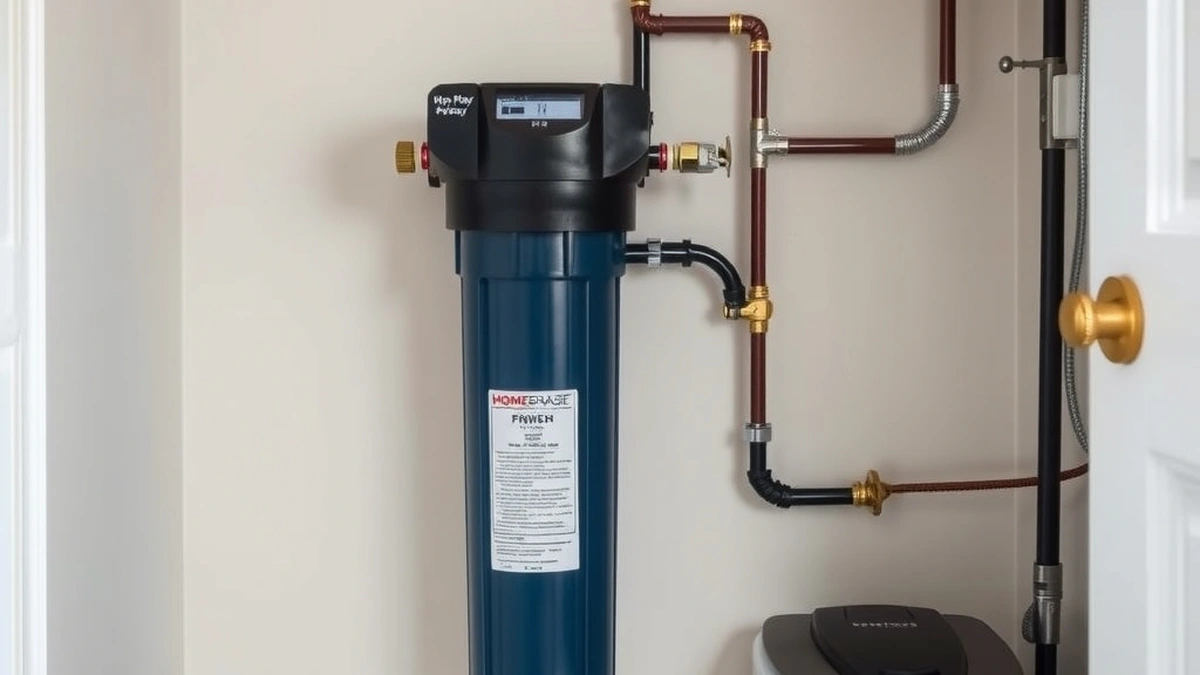
Most iron filter backwash problems come from low flow, clogged media, or timer misalignment; check flow rate first, then inspect the valve and media bed.
- Typical installed cost
- $800-$2,500
- Backwash flow requirement
- 8-15 GPM
- Backwash frequency
- Every 1-3 days
- Filter media life
- 5-10 years (estimate)
Some links on this page are affiliate links.If you buy through them we may earn a commission at no extra cost to you. We do not accept payment for rankings. Read the full disclosure.
Iron filter backwash problems usually trace to three issues: not enough flow to lift the media bed, a clogged injector or drain line, or a regeneration schedule that does not match the iron load. If the backwash cycle cannot expand the media, trapped iron and sediment stay in the tank and flow drops throughout the house. Checking flow rate, valve settings, and water chemistry is the first step before replacing parts.
How Backwash Works on an Iron Filter
An iron filter oxidizes dissolved iron so it can be trapped by filter media. During backwash, the control valve reverses water flow, lifting the media bed and flushing captured iron to the drain. This process requires a specific flow rate, commonly in the range of 8 to 15 gallons per minute for whole-house systems, depending on tank diameter and media type.
If the well pump or pressure tank cannot supply that flow, the media bed does not expand fully. Iron collects at the top of the bed, pressure loss increases, and the filter may fail to deliver adequate water volume to fixtures. A water test and flow measurement should come before any equipment adjustment.
Common Backwash Failure Symptoms
Homeowners often notice backwash problems through these signs:
- Reduced water pressure at faucets and showers
- Orange or rust-colored water after regeneration
- Backwash cycle running longer than normal
- Frequent valve errors or stuck timer cycles
- Water running to drain outside of scheduled backwash
These symptoms do not always mean the filter is defective. A restricted drain line, clogged brine or injector assembly, or incorrect timer programming can produce the same result. Each cause has a different cost and fix.
Flow Rate and Pressure Requirements
Backwash flow depends on tank size. A typical residential iron filter tank may require 5 to 10 gallons per minute for backwash, while larger whole-house units can need 15 gallons per minute or more. If the well pump delivers less than the valve requirement, the cycle will not lift the media bed.
To estimate whether your system can backwash properly, measure the well pump flow rate in gallons per minute and compare it to the valve manufacturer’s specification. If the pump produces 7 gallons per minute but the valve requires 10, backwash will be incomplete. Options include adjusting the pump pressure switch, adding a pressure tank, or selecting a valve sized for lower flow.
Timer and Cycle Settings
Most iron filters backwash on a timer, typically every one to three days. The frequency should match the iron concentration and daily water use. A household using 300 gallons per day with 5 parts per million iron places a much higher load on the media than a household using 150 gallons per day with 1 part per million iron.
If backwash happens too infrequently, the media saturates and iron breaks through into the plumbing. If it happens too often, the system wastes water and may shorten pump cycling life. A single backwash can use 50 to 100 gallons depending on tank size, so cycle frequency also affects septic load and water bills.
Example calculation for a household using 400 gallons per day:
- Iron level: 4 parts per million
- Daily iron load: 400 gallons × 4 ppm = 1,600 ppm-gallons per day
- If media capacity is exhausted after 3 days, backwash interval should be no longer than 72 hours
These figures are estimates. Actual capacity depends on media type, pH, dissolved oxygen, and the presence of manganese or sulfur.
Media Fouling and Replacement
Iron filter media can foul from iron bacteria, sediment, or hardness minerals. When fouling occurs, backwash may run normally but fail to restore flow. The media bed becomes packed or coated, and water channels around it instead of passing through.
Media life is commonly estimated at five to ten years, though high iron levels or poor backwash performance can shorten that period. Rebedding a filter is less expensive than replacing the whole tank and valve, but it still requires shutting off water, draining the tank, and disposing of used media according to local rules.
If iron levels exceed what a filter can handle, a water softener may be part of the discussion. Softeners can remove limited clear-water iron, often in the range of 2 to 3 parts per million, but they are not iron filters. For more on softener pricing and installation, see our guides on how much does a water softener cost and water softener installation cost.
Cost Estimates for Iron Filter Service
Installed iron filter costs typically range from $800 to $2,500, depending on tank size, valve type, and whether plumbing modifications are needed. Service calls for backwash troubleshooting vary by region and are not included in equipment pricing.
Potential repair costs include:
- Control valve diaphragm or seal kit: parts only, labor varies
- Injector or screen cleaning: service visit plus minimal parts
- Drain line replacement: material cost based on length and pipe size
- Media rebed: labor plus media cost by tank volume
For comparison, whole-house filtration equipment and installation can range widely. See whole house water filter cost for broader context on installed pricing.
When to Test Water Before Repair
Water chemistry determines whether an iron filter is the right tool and whether it is sized correctly. A lab test should measure iron, pH, hardness, manganese, and possibly sulfur or tannins. Iron exists in different forms, and a filter designed for clear-water iron may not treat iron bacteria or particulate iron effectively.
Test results also explain backwash frequency. High iron with high water use shortens the run cycle between backwashes. Low pH can damage some media types and may require pretreatment. Without test data, replacing the valve or media is guesswork.
For homes with multiple water quality issues, total treatment cost can include sediment filtration, softening, or reverse osmosis. See [well water treatment cost] for an overview of combined system pricing.
Maintenance Checklist
A basic iron filter maintenance routine includes:
- Verify backwash timer settings match household water use and iron levels
- Check drain line for kinks, freezing, or blockage
- Inspect injector and screen for sediment buildup
- Measure pressure before and after the filter to detect media fouling
- Schedule a lab water test annually or after plumbing changes
- Monitor for rust stains or pressure loss between backwash cycles
If backwash problems continue after these checks, the control valve may need service or the media may be exhausted. Repairs should be performed by someone familiar with the specific valve model, because incorrect reassembly can cause continuous drain flow or untreated water bypass.
Iron filter backwash problems are usually solvable with flow measurement, timer adjustment, and routine media inspection. Start with a water test, confirm the pump can meet backwash flow requirements, and address restrictions before replacing equipment.
Next, compare how much does a water softener cost, water softener installation cost, whole house water filter cost before you commit.
Frequently asked questions
What causes iron filter backwash failure?
Insufficient flow rate, clogged injector, restricted drain line, or a timer not matched to iron loading can prevent proper backwash.
How often should an iron filter backwash?
Most residential units backwash every one to three days, depending on iron concentration and household water use.
Can low water pressure stop backwash?
Yes. If the well pump cannot deliver the required gallons per minute, the control valve may not complete the backwash cycle.
Does backwash use much water?
A single backwash can use 50-100 gallons, depending on tank size and flow rate settings.
When should filter media be replaced?
Media typically lasts five to ten years; replace it when backwash no longer restores flow or iron breakthrough returns.
Should I test water before servicing the filter?
Yes. A lab test for iron, pH, and hardness confirms whether the filter is sized correctly for the actual load.
Sources
Some links are affiliate links.If you buy through them we may earn a commission at no extra cost to you. We do not accept payment for rankings. Read the full disclosure.