UV water purifier troubleshooting
UV lamp out, alarm on, or water still testing positive? Check power, ballast, sleeve, and prefilter. See causes and $10-$150 fixes.
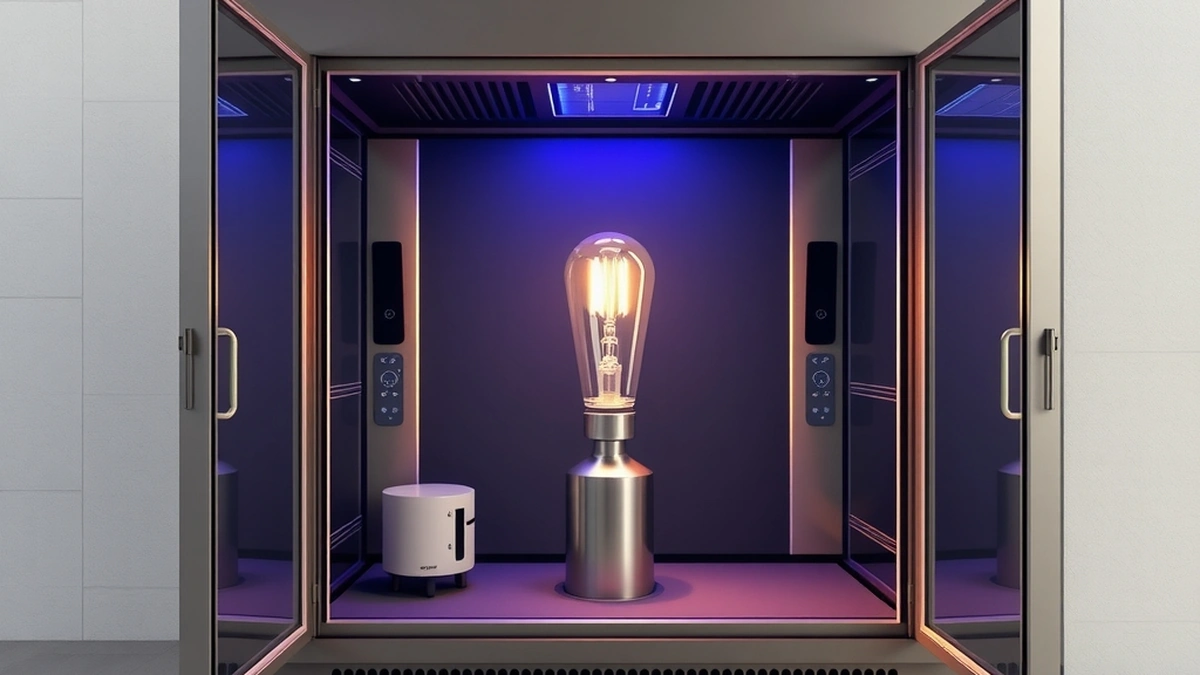
UV problems are usually a dead lamp, a failed ballast, a fouled quartz sleeve, or a clogged prefilter. Check power and the lamp first, then the sleeve, then confirm the water is clear enough for UV to work.
- Lamp
- $30 - $90
- Ballast
- $60 - $150
- Sleeve
- $30 - $80
- Prefilter
- $10 - $30
- Lamp life
- 12 months
Some links on this page are affiliate links.If you buy through them we may earn a commission at no extra cost to you. We do not accept payment for rankings. Read the full disclosure.
UV problems are usually a dead lamp, a failed ballast, a fouled quartz sleeve, or a clogged prefilter. Check power and the lamp first, then the sleeve, then confirm the water is clear enough for UV to do anything at all.
The lamp is a consumable, not a bulb
A UV lamp is rated for 12 months of continuous operation, not for however long it glows. Output at 254 nanometers declines with hours, and a lamp at 60 percent of its original output may not deliver the rated dose.
That is why the calendar matters more than the glow. A lamp that still lights is not necessarily a lamp that works.
Keep the install date written on the chamber or the controller. When the 12 months arrives, replace it whether or not there is an alarm.
The symptom table
| Symptom | Likely cause | Fix |
|---|---|---|
| No light, no alarm | Power, lamp seated wrong | $0 - $90 |
| Alarm after 12 months | Lamp at end of life | $30 - $90 |
| Dim or flickering lamp | Lamp or ballast failing | $30 - $150 |
| Water tests positive | Sleeve fouled or flow too high | $0 - $80 |
| Low flow | Clogged prefilter | $10 - $30 |
| Leak at chamber | O-ring or cracked sleeve | $5 - $80 |
A leak at the chamber is urgent. Water reaching the electronics destroys the ballast, which turns a $10 O-ring into a $150 repair.
Diagnose in this order
- Confirm the outlet is live and unswitched.
- Check the lamp connector is fully seated.
- Look at the lamp through the sight glass.
- Check the controller for an alarm code.
- Remove and inspect the quartz sleeve.
- Confirm the prefilter is clean and the flow is within rating.
Do this before buying a ballast. A loose connector and a dead ballast look identical from the outside.
Reading the sleeve
A clean sleeve is clear. A brown or rust-colored film is iron. A white haze is hardness scale. A green film is algae from a light-exposed chamber.
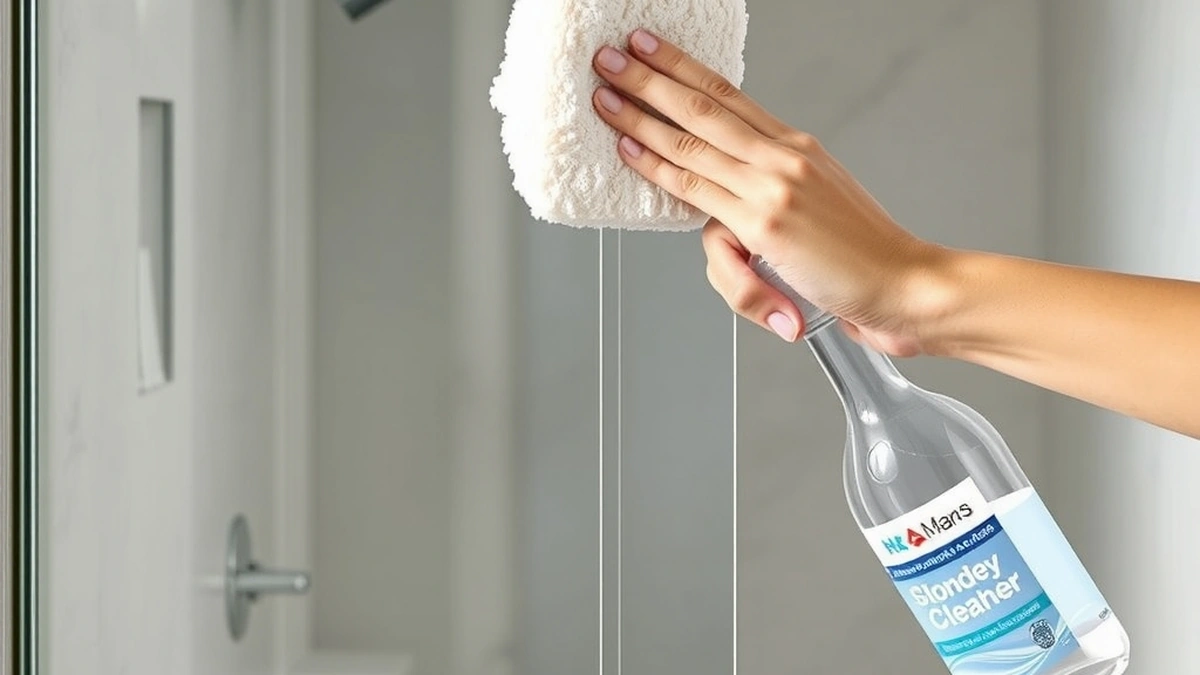
Wipe with a soft cloth and a mild vinegar solution. Do not scrub with abrasives, because a scratched sleeve scatters light permanently.
Inspect for cracks against a light. A hairline crack is a leak path and a replacement.
Flow and dose
A UV unit is rated at a specific flow for a specific dose. Push more water through it and the dose falls.
A three-bathroom home peaks near 8-10 GPM. A unit rated at 8 GPM and 30 mJ/cm² is at its limit during two showers and a laundry cycle.
If the water tests positive after treatment, measure flow before replacing parts. A unit doing its job at 4 GPM may be failing at 10.
Water clarity
UV only works on clear water. Turbidity, iron, and hardness all block light, and a prefilter is what keeps them out of the chamber.
A 5-micron sediment cartridge is the minimum. A 1-micron cartridge clogs quickly but protects better; most wells do fine with 5.
If the prefilter loads in weeks, the problem is upstream and the UV is being asked to compensate for it.
Electrical failures
A ballast that hums loudly, runs hot, or fails to strike the lamp is at end of life. Replacements run $60-$150 and are usually plug-in modules.
Check the connector pins for corrosion. Water vapor in a damp utility room corrodes them, and the symptom is an intermittent lamp.
Never open a ballast housing. The capacitors hold a charge after power is removed, and a single slip turns a $90 part into an emergency room visit.
When the well is the problem
A UV unit treats the water passing it. It does not disinfect the well, the pressure tank, or the plumbing downstream.
If the water tests positive after a lamp change and a sleeve cleaning, shock chlorinate the well and retest after five days.
If positives recur, the well may need continuous disinfection or a repair to the casing. Bacteria in well water covers the sequence, and shock chlorinate well covers the dose.
When the controller is the fault
A controller that alarms with a new lamp, or that will not strike a lamp at all, is usually the ballast rather than the lamp.
Test by swapping the lamp into a known-good unit, if you have one. Otherwise, check the output voltage at the lamp connector per the manual. That requires a multimeter and a comfort with live electrical work, and if either is missing, call a technician.
A controller with a burnt smell or a discolored board is finished. Replacements run $60-$150 and are usually plug-in modules rather than wired components.
Do not run a UV system with the controller bypassed. Untreated water that looks treated is worse than no treatment, because nobody thinks to boil it.
Prevention
Replace the lamp every 12 months and the sleeve O-rings at the same time.
Clean the sleeve every six months. In iron-bearing water, every three months.
Change the prefilter every 3-6 months and record the date.
Check the chamber mounting once a year. A unit that has shifted, or a clamp that has loosened, can leave the lamp at an angle where air pockets form and dose drops. Keep a spare lamp on the shelf. A failed lamp means untreated water until a replacement arrives, and that is a bad trade for $50. UV water purifier maintenance covers the schedule, and UV lamp replacement covers the part numbers. “”
Frequently asked questions
Why is my UV lamp not lighting?
Check power at the outlet, then the lamp connection, then the ballast. A lamp that flickers or glows dimly is usually at end of life rather than failed.
What does a UV alarm mean?
Most controllers alarm on lamp failure, low output, or a lamp that is past its 12-month life. The manual will map the code to the cause.
Can I run a UV system without a prefilter?
No. Particles shield microorganisms from the light, so unclear water cannot be reliably treated. A 5-micron prefilter is part of the system, not an accessory.
Why is my quartz sleeve brown?
Iron or manganese is depositing on the sleeve. That is an upstream treatment failure, and it blocks UV output. Clean the sleeve and fix the iron.
How often should a UV lamp be replaced?
Every 12 months whether or not it still glows. Output at 254 nanometers declines with hours, and a visible glow does not mean the dose is adequate.
Why does my water still test positive for bacteria?
A fouled sleeve, a clogged prefilter, flow above the rated rate, or a contaminated well. UV treats water passing the lamp; it does not disinfect the well.
Sources
Some links are affiliate links.If you buy through them we may earn a commission at no extra cost to you. We do not accept payment for rankings. Read the full disclosure.