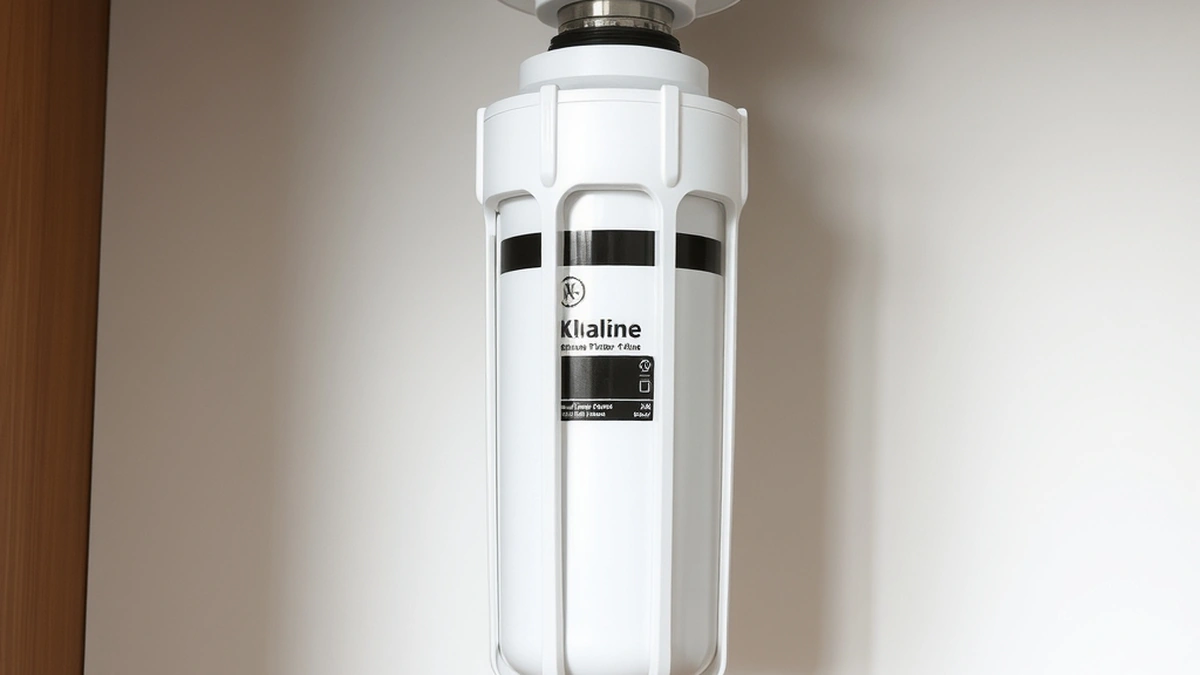
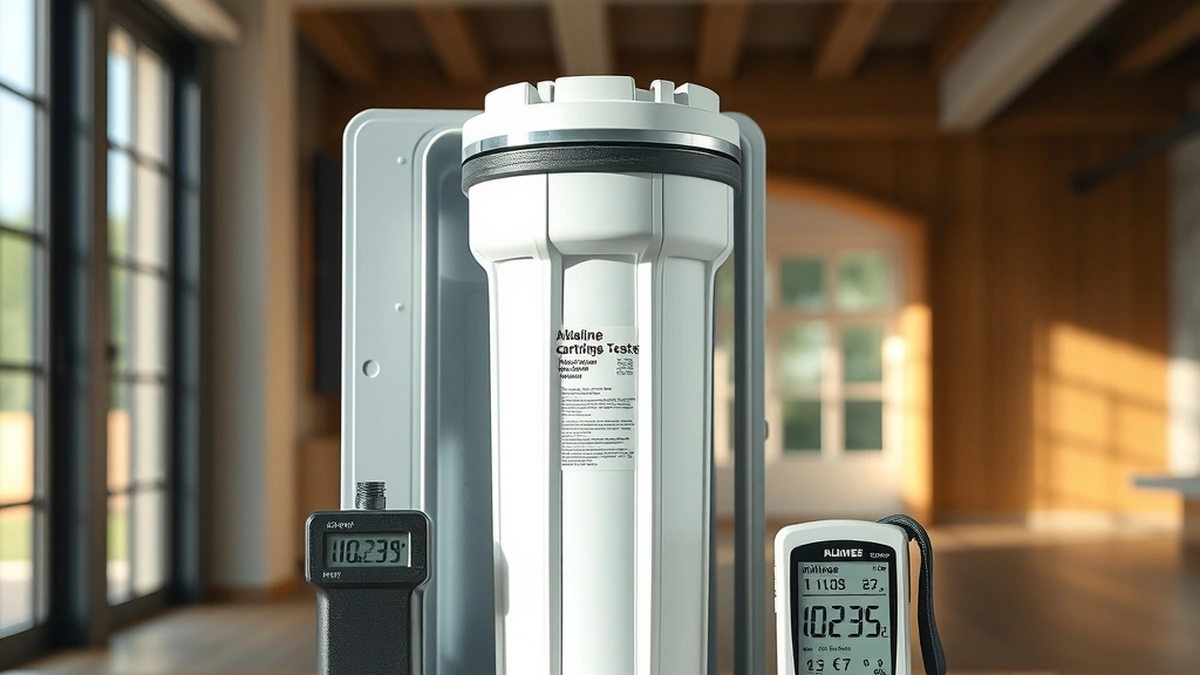
UV water purifier maintenance schedule
UV purifier maintenance is a lamp every 12 months at $30-$90 plus sleeve cleaning every 6 months. See the schedule, signs of failure, and annual cost.
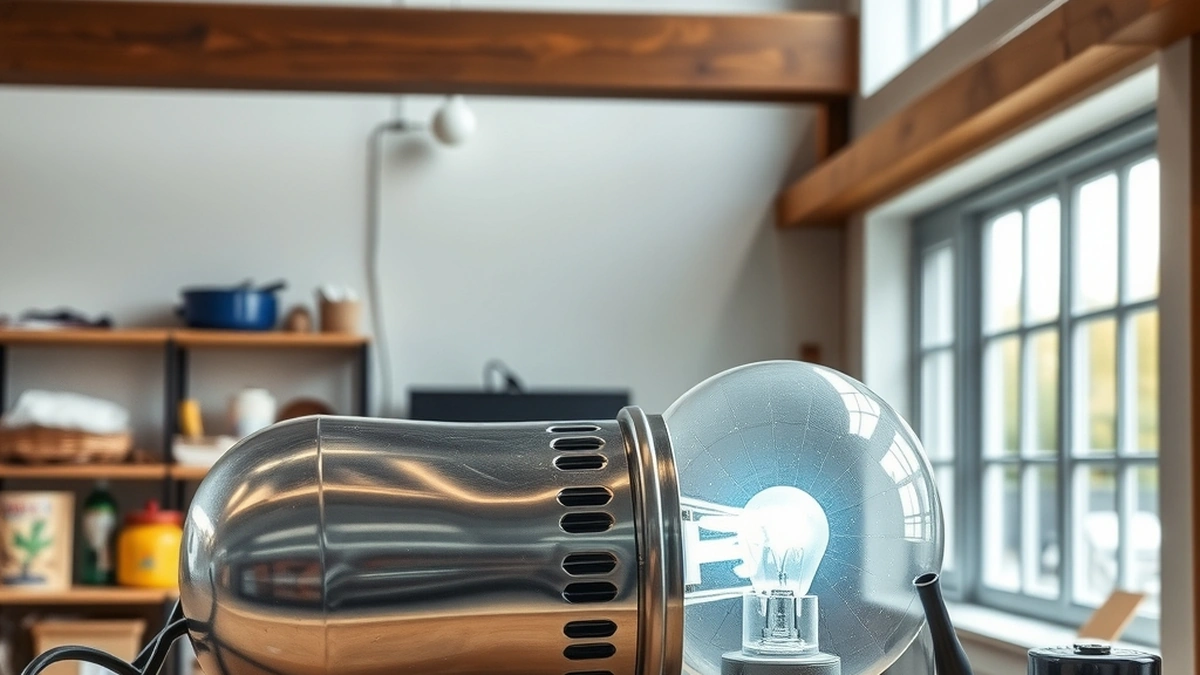
UV water purifier maintenance is a lamp replacement every 12 months at $30-$90, quartz sleeve cleaning every 6 months, and a pre-filter change every 3-6 months. Annual cost runs $60-$140 including the sediment cartridge.
- Lamp change
- Every 12 months
- Lamp cost
- $30 - $90
- Sleeve cleaning
- Every 6 months
- Pre-filter
- Every 3 - 6 months
- Annual cost
- $60 - $140
Some links on this page are affiliate links.If you buy through them we may earn a commission at no extra cost to you. We do not accept payment for rankings. Read the full disclosure.
UV water purifier maintenance is a lamp every 12 months, a quartz sleeve cleaning every 6 months, and a pre-filter every 3-6 months. The lamp costs $30-$90 and the annual total runs $60-$140. The one rule that matters: replace the lamp on the calendar, not when it stops glowing.
What UV maintenance actually protects
A UV purifier inactivates microorganisms by exposing them to light at 254 nanometers. The dose depends on lamp output, contact time, and the clarity of the water passing the sleeve.
All three degrade. The lamp loses output gradually, the sleeve collects mineral film, and the pre-filter loads until flow drops. Maintenance is the process of restoring those three variables.
That makes UV maintenance a chain rather than a single task. Changing the lamp while ignoring a scaled sleeve delivers a fraction of the intended dose, and the water looks fine because UV does not change appearance.
The calendar
| Interval | Task | Cost |
|---|---|---|
| Monthly | Confirm lamp is lit and controller shows no alarm | $0 |
| Every 3-6 months | Replace 5-micron sediment pre-filter | $10 - $30 |
| Every 6 months | Clean quartz sleeve | $2 |
| Every 12 months | Replace lamp | $30 - $90 |
| Every 12 months | Replace sleeve O-rings | $10 - $25 |
| Every 2-3 years | Inspect chamber and ballast connections | $0 |
A unit on municipal water may only need two pre-filter changes a year. A well with sediment may need four, and the cartridge cost doubles.
Replacing the lamp
- Shut off the water and the power, and let the chamber cool.
- Close the bypass or isolate the unit.
- Unscrew the compression nut or release the retaining clip at the lamp end.
- Slide the lamp out slowly, supporting it along its length.
- Wipe the new lamp with a soft cloth to remove fingerprints.
- Slide it in, seat the connector, and tighten the nut hand-tight.
- Restore water, check for leaks, then restore power and confirm the lamp is lit.
Fingerprints on a quartz lamp matter. Oil from skin bakes onto the surface and creates a hot spot that shortens lamp life. Handle the new lamp with a cloth or gloves.
Never force a lamp into a sleeve. A cracked sleeve leaks water into the electronics, which is a $150-$300 repair.
Cleaning the sleeve
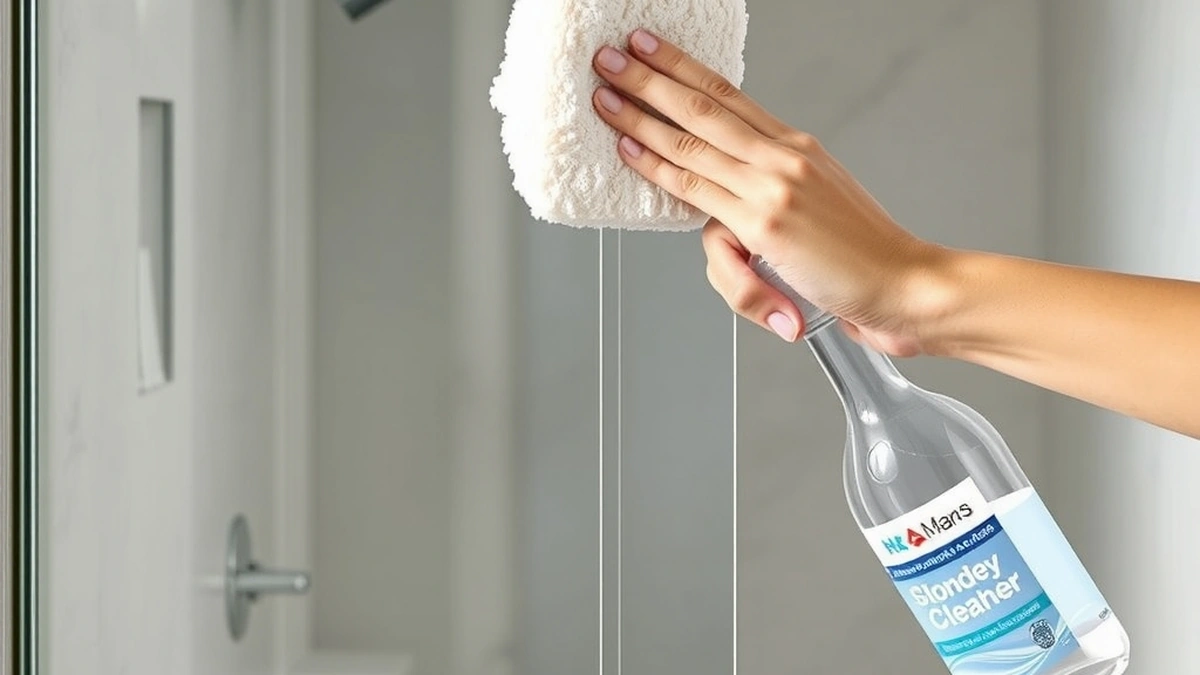
The quartz sleeve separates the lamp from the water. Minerals deposit on its outer surface, and that film blocks UV.
Isolate and drain the chamber, remove the lamp, then slide the sleeve out if the design allows. Wipe it with a soft cloth and a mild vinegar solution, rinse, and dry.
If the film is hard, soak the sleeve in white vinegar for 20 minutes before wiping. Do not use scouring pads or abrasive cleaners; a scratched sleeve scatters light and reduces dose permanently.
Inspect the sleeve for cracks against a light. A hairline crack is a leak path and a replacement, at $30-$80.
Pre-filter, the forgotten half
A UV unit without a pre-filter is a lamp shining through cloudy water. The 5-micron cartridge ahead of the chamber is what makes the dose meaningful.
Change it every 3-6 months, or when the pressure gauge drops 10 psi. On a well with iron, the cartridge may load in weeks, which points to an upstream treatment problem rather than a filter problem.
Iron above 2-3 ppm stains the sleeve brown and blocks light within months. Hardness above 7 grains per gallon scales it white. Both are reasons the softener or iron filter belongs ahead of the UV, not after.
Signs the system is not working
The lamp is out and nobody noticed. Controllers with alarms help; units without one need a monthly glance at the sight glass.
Water tastes or smells different. UV does not change taste, so a change usually means the pre-filter has loaded or the carbon stage downstream has exhausted.
The sleeve looks cloudy through the sight glass. That is scale, and it is blocking light.
The chamber is warm or the ballast hums louder than usual. Both suggest an electrical problem, and the unit should be unplugged until checked.
Cost over five years
Five lamps at $55 each is $275. Five sleeve O-ring sets at $15 is $75. Twenty sediment cartridges at $15 is $300. Total: $650 over five years, or $130 per year, which sits at the top of the $60-$140 band.
A municipal supply with clean water needs two cartridges a year, which drops the annual figure to about $90. That is the realistic range for most homes.
For the installation side, UV water purifier installation covers the outlet and bypass work. And if the lamp is glowing but the water still tests positive for bacteria, bacteria in well water explains why the well, not the lamp, is the likely source.
A maintenance log worth keeping
A UV system fails silently, which makes a written record more valuable than for any other piece of treatment equipment.
Note the lamp install date on the chamber with a marker, and write the same date in a log with the lamp’s serial number. When the manufacturer’s 12-month interval arrives, the date is already there.
Record the pre-filter changes too. A pattern of cartridges loading in six weeks instead of twelve weeks is the earliest sign that something upstream has changed, often months before the water looks different.
Note any alarm codes and the date. Controllers store faults differently, and a code that appears twice in a year points to a ballast or connector problem rather than a lamp problem.
If the unit serves a rental property or a vacation home, the log is the only way to know whether the lamp was actually changed or simply ordered. UV lamp replacement covers the models and wattages that fit common chambers, and whole house UV versus under sink UV explains why a larger chamber needs a different lamp.
Frequently asked questions
How often should a UV lamp be replaced?
Every 12 months, even if it still glows. Lamps lose output at 254 nanometers over time, and a visible glow does not mean the dose is still adequate.
How do I clean a UV quartz sleeve?
Isolate the unit, drain it, remove the lamp, then wipe the sleeve with a soft cloth and a mild vinegar solution. Rinse and dry before reassembly, and never use abrasives.
Why does my UV system have a slimy sleeve?
Iron, manganese, or hardness is depositing on the quartz. That is an upstream treatment failure, not a UV fault, and it blocks the light from reaching the water.
Do UV systems need a pre-filter?
Yes, a 5-micron sediment filter at minimum. Particles shield microorganisms from UV, so unclear water cannot be reliably treated no matter how strong the lamp.
How much does UV maintenance cost per year?
Sixty to one hundred forty dollars: $30-$90 for the lamp, $10-$25 for a sleeve O-ring set, and $20-$30 for two to four sediment cartridges.
What happens if the UV lamp burns out?
Water flows untreated until the lamp is replaced. Most controllers have an alarm or a sight glass, and a unit without either should be checked monthly.
Sources
Some links are affiliate links.If you buy through them we may earn a commission at no extra cost to you. We do not accept payment for rankings. Read the full disclosure.