Water softener cleaner
How resin cleaners work, when a softener needs one, and how to clean the brine tank without damaging the resin.
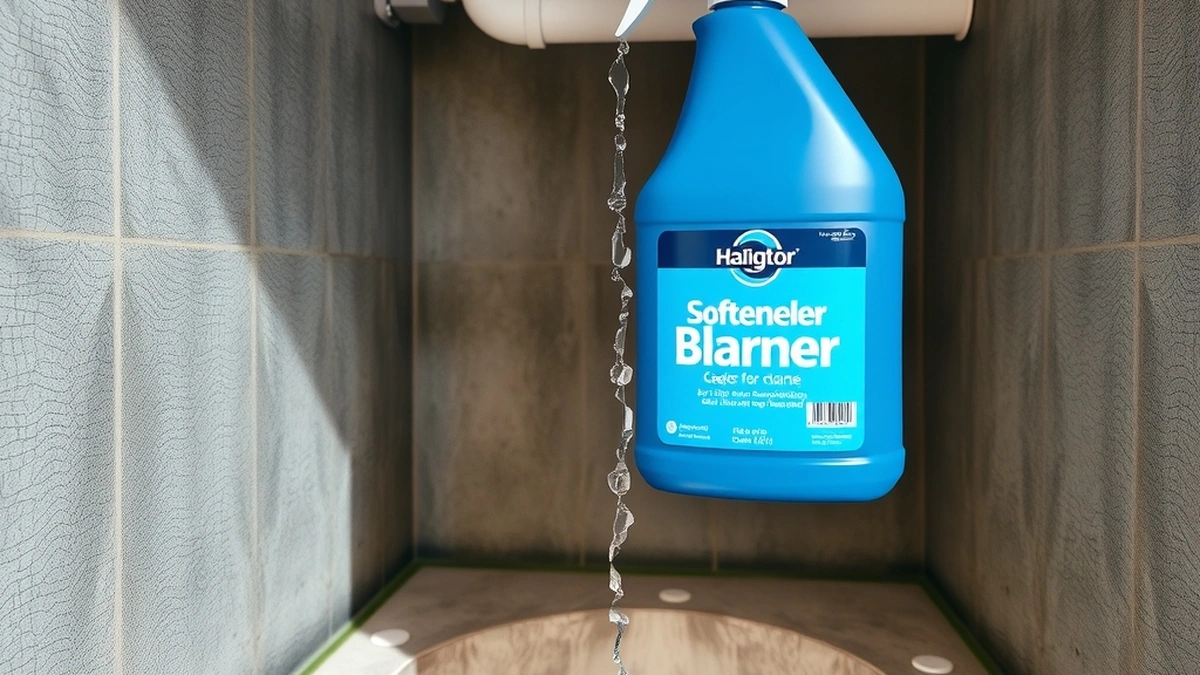
A water softener cleaner is an acidic product that strips iron, scale, and organic film from resin. Use it when capacity drops or water turns rusty, and clean the brine tank separately; a resin rebed at $300 to $600 is the fallback if cleaning fails.
- Resin life
- 8 - 12 years
- Rebed cost
- $300 - $600
- Iron limit
- 2 - 3 ppm
- Salt per year
- $120 - $400
- Cleaner type
- Acidic resin cleaner
Some links on this page are affiliate links.If you buy through them we may earn a commission at no extra cost to you. We do not accept payment for rankings. Read the full disclosure.
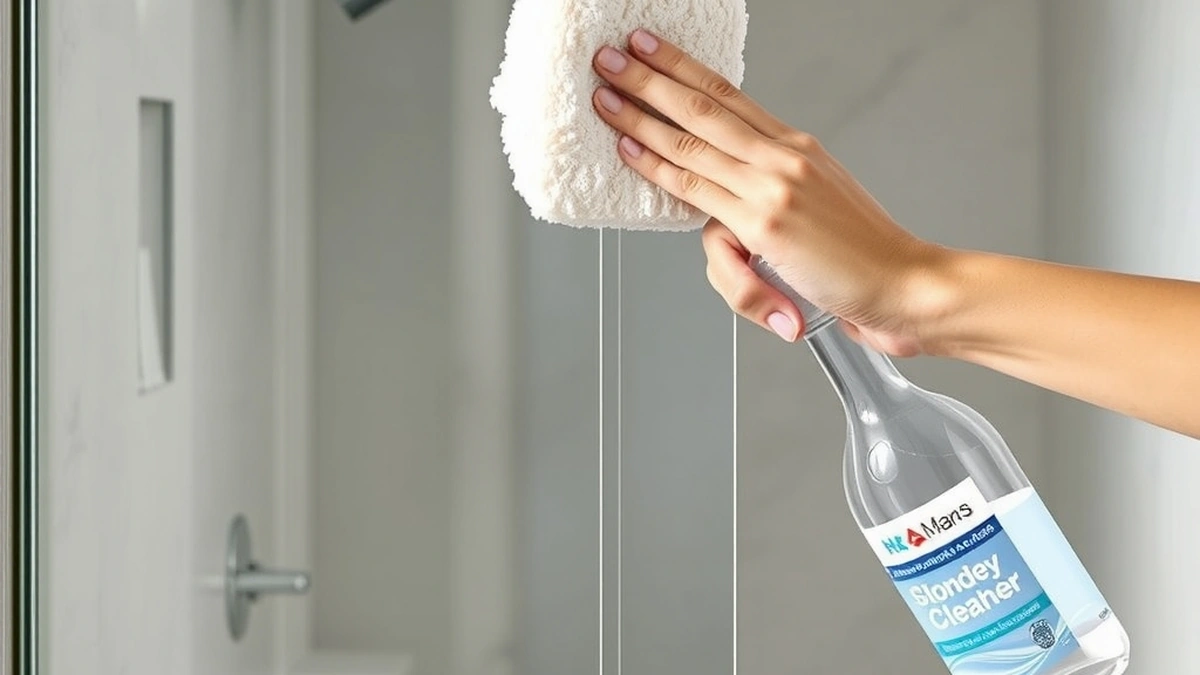
A water softener cleaner is an acidic product that strips iron, scale, and organic film from resin beads. It restores capacity when the softener is fouled but the resin is still sound. Use it when the water turns rusty or the softener stops keeping up, and clean the brine tank separately, because the two problems have different causes.
What fouls a softener
Resin beads exchange calcium and magnesium for sodium. Anything that coats the bead surface blocks that exchange.
Iron is the most common culprit. Most softeners handle only 2 to 3 ppm of iron, and above that the resin captures iron that is hard to release during regeneration. The beads turn orange-brown and capacity falls.
Scale and sediment are the second cause. A softener installed without a pre-filter on gritty water accumulates debris in the tank.
Organic matter and biofilm are the third. A softener on unchlorinated well water can grow a film that smells and reduces performance, and the odour usually returns within days of a regeneration if the tank itself is dirty.
Cleaner types
| Product type | Targets | Notes |
|---|---|---|
| Acidic resin cleaner | Iron, scale | Most common, added to brine well |
| Iron-specific cleaner | Heavy iron fouling | Stronger, check resin compatibility |
| Brine tank sanitizer | Odour, biofilm | Used after a full tank clean |
| Vinegar | Light mineral film | Household option, weaker |
The formulation matters less than the diagnosis. A cleaner aimed at iron will not fix a salt bridge, and a sanitizer will not remove iron scale.
When to clean
Clean when one of these appears.
The softener no longer keeps up with the same household demand. Water feels hard again within a day of regeneration.
The water has a rusty tint at hot taps, or the resin is visibly orange when you look into the tank.
The brine tank has sludge, a crust, or a salt bridge that stops brine from being drawn.
A service technician has tested the hardness and found it higher than the set point.
Cleaning on a schedule without a symptom is optional. Cleaning after a symptom is the useful habit, because the cleaner only works on the material it is designed to dissolve.
Cleaning the resin
- Read the valve manual and put the unit into bypass.
- Add the cleaner to the brine well according to the label, not more.
- Run a manual regeneration so the cleaner passes through the resin.
- Check the hardness at a tap afterward.
- Repeat once if the label allows, then reassess.
Do not pour acid directly into the resin tank through the fill port unless the instructions say so. The brine well is the intended path, and it draws through the valve at the right rate.
Cleaning the brine tank
- Turn off the water supply to the softener and bypass it.
- Remove the salt and discard any crusted or bridged material.
- Scoop out sludge and rinse the tank.
- Wipe the interior with a mild disinfectant, then rinse thoroughly.
- Refill with clean salt, leaving space below the brine well cap.
- Restore water and run a regeneration.
A salt bridge is a hard crust that forms above the water line and keeps salt from dissolving. It looks like a full tank, so the softener appears to have salt while the brine is weak. Breaking the bridge is the fix.
What cleaning will not fix
Cleaning will not restore resin that has physically degraded. Resin beads crack and lose surface area over 8 to 12 years, and no cleaner reverses that.
Cleaning will not fix a valve that is drawing brine at the wrong time or a meter that is not counting. Those are mechanical faults, and they are diagnosed by watching a regeneration cycle rather than by adding more product.
Cleaning will not compensate for a softener that is undersized for the household. If the unit regenerates every two days and still lets hardness through, the problem is capacity.
When cleaning fails, a rebed at $300 to $600 replaces the resin and restores capacity. That is cheaper than a new system, and it is the right move on a tank and valve that are otherwise sound. Ask the technician to measure the old resin volume so the replacement matches the tank.
Preventing the next fouling
Pretreat iron. If the water test shows more than 2 to 3 ppm, install an iron filter at $800 to $2,500 before the softener.
Filter sediment. A cartridge pre-filter catches grit that would otherwise settle in the resin tank.
Keep the brine tank clean and use quality salt. Salt with high insoluble content leaves more sludge. Pellets dissolve more cleanly than rock salt, and the price difference is usually smaller than the cost of a fouled tank.
Test hardness monthly with a simple kit. A trend upward is the earliest signal that the resin needs attention.
For the equipment side, see water softener maintenance and clean brine tank. For resin replacement, water softener resin replacement cost covers the rebed.
Bottom line
A water softener cleaner restores capacity when resin is fouled by iron or scale, and it is a maintenance product rather than a repair. Clean the brine tank separately, pretreat iron above 2 to 3 ppm, and rebed the resin at $300 to $600 when cleaning stops helping.
Timing is the part most households get wrong. Cleaning works best before capacity collapses, when the resin is coated but not exhausted. A bed that has been running hard for a year on iron-bearing water may already have lost sites that no cleaner will reopen.
A simple schedule is one treatment a year on water with iron near the 2 to 3 ppm limit, and one after any period when the softener sat with a low salt level. Pair it with a hardness test a day later and the result tells you whether the cleaning did anything.
Frequently asked questions
What does water softener cleaner do?
It dissolves iron, scale, and organic deposits that coat resin beads and reduce the softener's capacity to exchange hardness minerals.
How often should I use a softener cleaner?
Use it when capacity drops or iron is present, and follow the label; many households clean once or twice a year on iron-bearing water.
Can I use vinegar instead?
Some homeowners use white vinegar for light cleaning, but a formulated resin cleaner is safer for the resin and more effective on iron.
Why does my softener water taste salty?
A salty taste usually means the brine tank is overfilled, the valve is drawing brine at the wrong time, or the resin is exhausted.
How do I clean the brine tank?
Empty and rinse it, remove sludge and salt bridges, disinfect with a mild solution, rinse thoroughly, and refill with clean salt.
When is cleaning not enough?
When resin beads are physically degraded or the capacity stays low after cleaning, a rebed at $300 to $600 is the practical next step.
Sources
Some links are affiliate links.If you buy through them we may earn a commission at no extra cost to you. We do not accept payment for rankings. Read the full disclosure.