Resin Replacement Cost and When to Rebed a Water Softener
What it costs to replace water softener resin, how long resin lasts, and the signs that it is time to rebed.
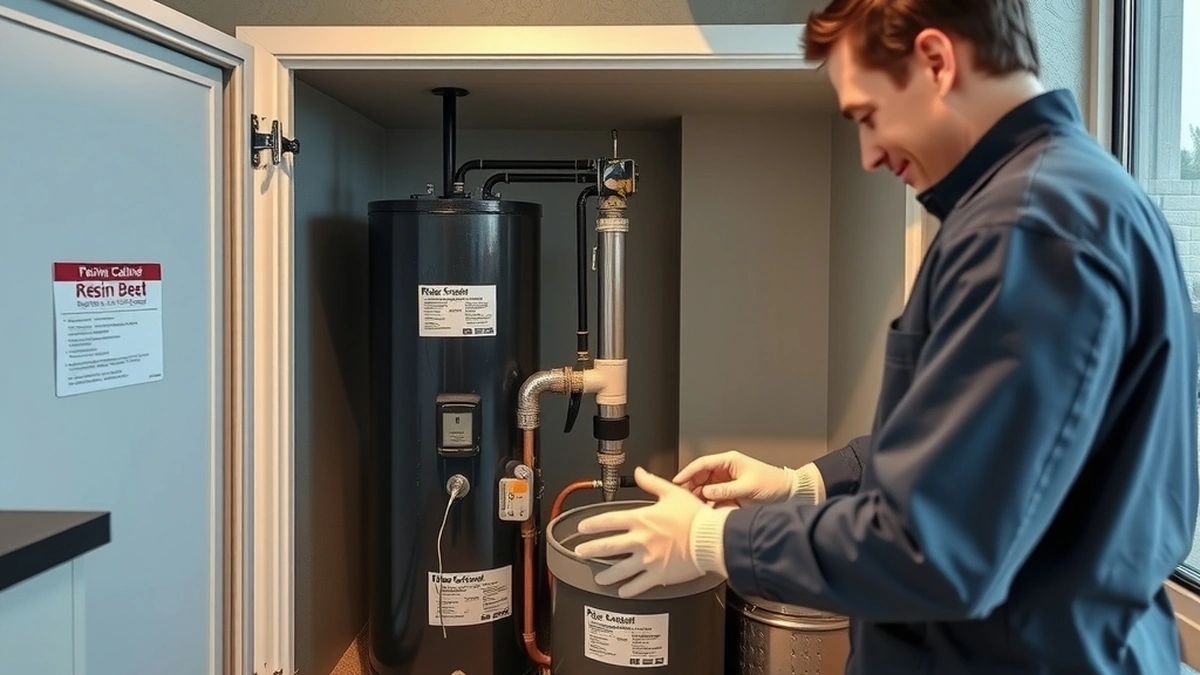
A professional resin rebed typically costs $300–$600. Most softener resin lasts 8–12 years before replacement is needed.
- Resin rebed cost
- $300–$600
- Resin lifespan
- 8–12 years
- Full softener installed
- $1,200–$4,500
- Salt per year
- $120–$400
- Softener lifespan
- 10–15 years
Some links on this page are affiliate links.If you buy through them we may earn a commission at no extra cost to you. We do not accept payment for rankings. Read the full disclosure.
A water softener resin rebed typically costs $300–$600, and most resin beds last 8–12 years before they need replacement. If your softener is using more salt than usual or softened water feels harder than it used to, the resin may be exhausted. This guide breaks down rebed pricing, lifespan factors, and how to decide between rebedding and replacing the whole unit.
What Resin Does in a Softener
Water softeners remove hardness minerals through ion exchange. Resin beads inside the tank hold sodium or potassium ions and trade them for calcium and magnesium in the water. Over time, the beads can become fouled by iron, chlorine, sediment, or simply lose exchange capacity from repeated regeneration cycles. When that happens, the softener runs through salt faster and delivers water that tests closer to raw hardness levels.
Resin is not a cartridge you swap every few months. It is a permanent media bed inside the mineral tank, and replacing it means opening the tank, removing the old beads, and loading new resin. That labor is why rebed pricing sits closer to a service visit than a filter cartridge purchase.
Resin Replacement Cost
A professional rebed typically costs $300–$600. The range depends on tank size, how much resin must be purchased, and regional labor rates. A small 24,000-grain unit uses less resin and less time than a 64,000-grain whole-house system, so it falls toward the lower end.
For comparison, a new softener costs $600–$2,500 for equipment alone, and $1,200–$4,500 installed. If your valve, tank, and plumbing are in good shape, rebedding can extend the life of the existing equipment for roughly one-third to one-half the cost of a new installation.
Ongoing salt costs run $120–$400 per year depending on household water use and hardness. A fouled resin bed often drives salt use higher because the system regenerates more frequently to compensate for lost capacity. Restoring the resin can bring salt consumption back down to normal levels.
How Long Resin Lasts
Resin life is generally estimated at 8–12 years. The softener body itself often lasts 10–15 years, which means you may rebed once during the equipment’s service life. Several factors shorten or extend that window:
- Chlorine in municipal water can degrade resin beads over time.
- Iron above the softener’s limit of 2–3 ppm can coat the beads and reduce exchange capacity.
- Sediment without a pre-filter can abrade the bed.
- Very high hardness increases regeneration frequency, wearing the media faster.
If your water test shows iron above 2–3 ppm, an iron filter may be needed alongside the softener to protect the new resin. Iron filter installation runs $800–$2,500.
Signs It Is Time to Rebed
You do not need to replace resin on a fixed calendar schedule. Watch for these indicators instead:
- Salt use climbs without a change in household water use.
- Softened water tests at or near raw hardness levels.
- The softener regenerates more often than it used to.
- Resin beads appear in fixtures, faucet aerators, or appliances.
- The system is 8–12 years old and performance has declined gradually.
Before scheduling a rebed, test the water. A lab water test costs $40–$150 and confirms whether hardness is the issue or whether another contaminant is responsible. If hardness is low but water still feels hard, the problem may be the valve, bypass, or plumbing rather than the resin.
Rebed vs. Replace: Cost Arithmetic
Here is how the numbers compare over a typical remaining equipment life.
Option A: Rebed
- Resin rebed: $300–$600
- Remaining softener life after rebed: estimate 5–8 years
- Annualized cost: roughly $50–$100 per year
Option B: New softener installed
- Equipment plus installation: $1,200–$4,500
- Expected life: 10–15 years
- Annualized cost: roughly $80–$450 per year
If the control valve is leaking, the tank is cracked, or the electronics have failed, replacing the full unit makes more sense. If only the media is worn, rebedding is usually the lower-cost path.
Other Treatment Costs for Context
Water softeners address hardness, not every water issue. If your test reveals other concerns, equipment costs differ:
| System | Installed cost | Typical recurring cost |
|---|---|---|
| Salt-free conditioner | $500–$1,800 | Minimal media replacement |
| Whole-house carbon filter | $500–$1,800 | Cartridge $80–$300 per year |
| Sediment pre-filter | Included or separate | Cartridge every 3–6 months |
| Under-sink reverse osmosis | $300–$900 | $60–$150 per year; membrane every 2–3 years |
| Whole-house reverse osmosis | $3,000–$8,000 | Membrane and pump maintenance |
| UV disinfection | Varies by system | Lamp $30–$90 every 12 months |
A water softener does not remove nitrate above the 10 mg/L limit, and it is not a substitute for dedicated iron, sulfur, or microbial treatment. Test first, then match equipment to the results.
How to Proceed
Start with a lab water test to confirm hardness, iron, and other parameters. If hardness is the primary issue and the softener is within its 10–15-year equipment life but the resin is 8–12 years old, request rebed quotes from local service providers. Ask whether the price includes new resin, disposal of old media, sanitization, and a post-rebed regeneration cycle.
If you are also considering a whole-house filter for sediment or chlorine protection, those systems cost $500–$1,800 installed and can extend resin life by reducing fouling. For drinking water at the tap, an under-sink reverse osmosis system at $300–$900 installed provides separate treatment without changing the softener.
Rebedding is a maintenance decision, not an emergency repair. Track salt use, test water annually, and replace resin when performance drops rather than on a fixed schedule.
Next, compare how much does a water softener cost, water softener installation cost, whole house water filter cost before you commit.
Frequently asked questions
How much does resin replacement cost?
A professional rebed typically runs $300–$600, depending on softener size and local labor rates.
How long does water softener resin last?
Resin usually lasts 8–12 years, while the softener body often lasts 10–15 years.
Can I rebed the softener myself?
DIY is possible on some models, but incorrect reassembly can cause leaks or resin loss into plumbing.
Does resin replacement fix iron or sulfur problems?
No. Resin handles hardness minerals; iron and sulfur usually need separate filtration equipment.
Is rebedding cheaper than buying a new softener?
Often yes. A rebed at $300–$600 costs less than a new installed softener at $1,200–$4,500.
Should I test water before rebedding?
Yes. A lab water test ($40–$150) confirms hardness and iron levels so the rebed addresses the right issue.
Sources
Some links are affiliate links.If you buy through them we may earn a commission at no extra cost to you. We do not accept payment for rankings. Read the full disclosure.