How Often to Change a Whole-House Filter
Replacement intervals for sediment, carbon, and whole-house filter cartridges, plus cost estimates and pressure-drop warning signs.
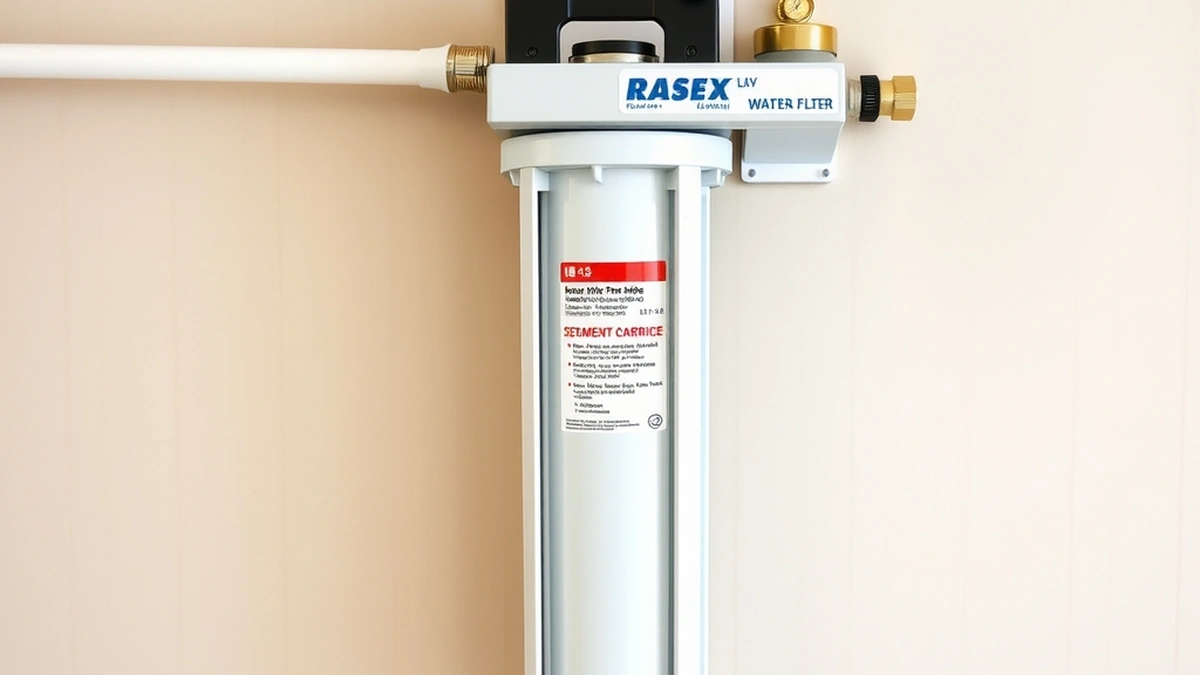
Most whole-house sediment cartridges need replacement every 3 to 6 months, while carbon cartridges typically last 6 to 12 months, depending on water quality and usage.
- Sediment cartridge
- 3–6 months
- Carbon cartridge
- 6–12 months
- Whole-house filter flow rate
- 8–15 GPM
- Installed cost range
- $500–$1,800
Some links on this page are affiliate links.If you buy through them we may earn a commission at no extra cost to you. We do not accept payment for rankings. Read the full disclosure.
Most whole-house sediment cartridges should be changed every 3 to 6 months. Carbon cartridges typically last 6 to 12 months. The exact interval depends on your water quality, household water usage, and the micron rating of the cartridge.
Why Replacement Timing Matters
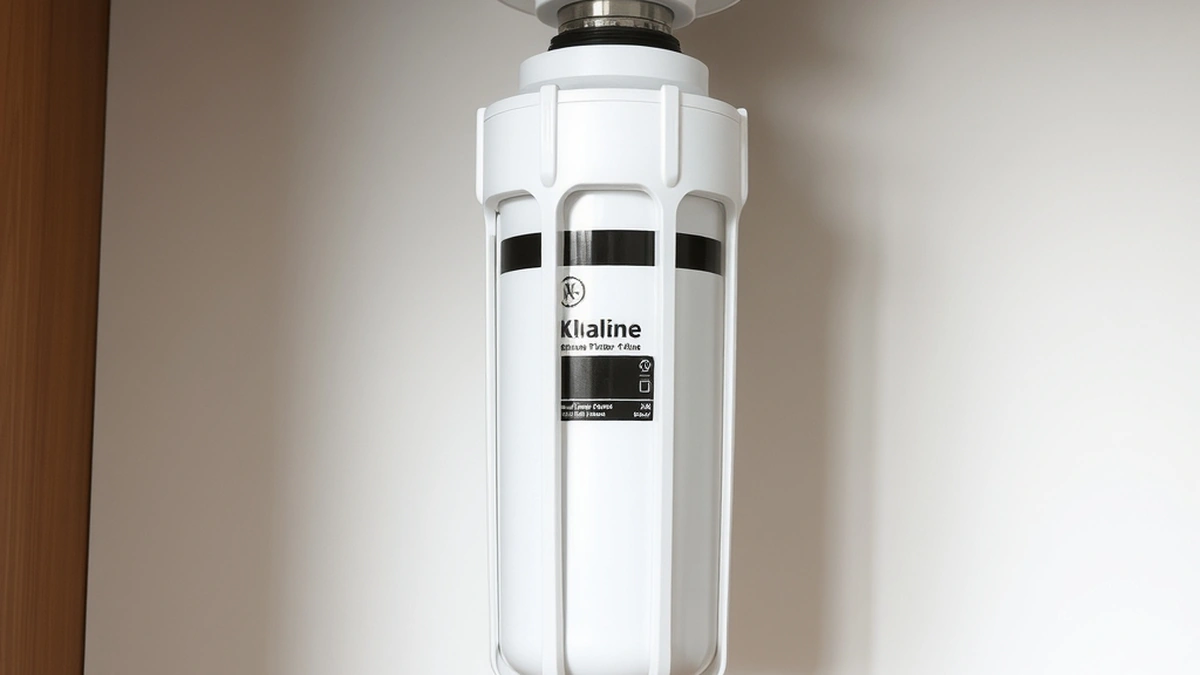
A whole-house filter sits on the main water line where water enters the home. As the cartridge captures sediment, silt, rust, or chlorine, it gradually loads up with trapped material. Once the media is saturated, flow rate drops and pressure loss increases across the house. Waiting too long can starve appliances, fixtures, and any downstream treatment equipment of adequate flow.
There is no universal calendar date that fits every home. A household on municipal water with low sediment may go 12 months on a carbon block, while a home with a private well and high iron or sand loading might need a new sediment cartridge every 6 to 8 weeks. The only reliable method is to monitor pressure drop and inspect the cartridge on a set schedule.
Typical Replacement Intervals by Cartridge Type
| Cartridge Type | Typical Replacement Interval | Estimated Annual Cartridge Cost |
|---|---|---|
| Sediment (pleated or spun) | 3–6 months | $80–$300 |
| Carbon (GAC or carbon block) | 6–12 months | $80–$300 |
| Combined sediment-carbon | 6–12 months | $80–$300 |
These figures are estimates based on average household usage and standard 10-inch or 20-inch cartridges. Actual costs vary by brand, micron rating, and flow capacity.
Sediment cartridges generally fail first because they capture physical particles. Carbon cartridges last longer in terms of physical clogging, but their adsorption capacity for chlorine and organics is finite. Once the carbon is exhausted, taste and odor issues may return even if water pressure still seems normal.
How to Tell It Is Time to Change
Do not rely solely on a calendar. Watch for these indicators:
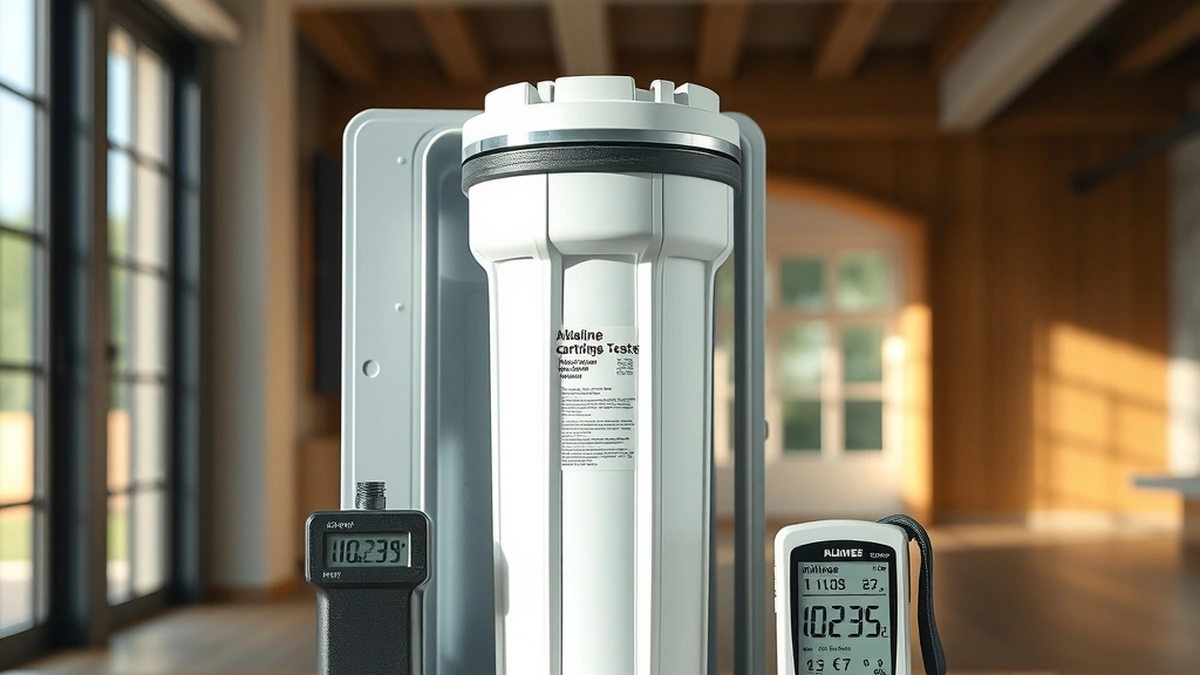
- Pressure drop. A whole-house filter normally operates at 8–15 GPM depending on the model. If flow at faucets or showers noticeably weakens, the cartridge may be clogged. A pressure gauge installed before and after the filter housing can quantify the drop; many installers recommend changing when the differential reaches 10–15 psi.
- Visible discoloration. Remove the cartridge and hold it to the light. A gray, brown, or slimy surface indicates loading.
- Taste or odor changes. For carbon cartridges, returning chlorine taste or musty smells suggest the media is spent.
- Scheduled maintenance interval. If you have not changed the cartridge within the manufacturer’s stated window, replace it even if pressure seems acceptable.
Water Quality and Usage Factors
Homes with higher water consumption load cartridges faster. A household of four using 300 gallons per day pushes roughly 109,500 gallons through a whole-house filter annually. A single occupant using 75 gallons per day pushes about 27,375 gallons. All else equal, the larger household will need more frequent changes.
Well water often carries more sediment, iron, or manganese than municipal water, which shortens sediment cartridge life. If your water test shows elevated iron, a softener alone may not be sufficient; iron can foul cartridges and softener resin alike. For context, softeners are generally limited to 2–3 ppm of clear-water iron before dedicated iron filtration is considered. Whole-house sediment filtration ahead of a softener protects the resin bed and can extend resin life, which typically runs 8–12 years.
Cost Arithmetic for Ongoing Maintenance
Whole-house carbon filter systems typically install for $500–$1,800. Replacement cartridges run roughly $80–$300 per year depending on type and replacement frequency. Over a 10-year period, cartridge costs could total $800–$3,000, excluding labor if you hire a plumber for each change.
For comparison, a water softener typically costs $600–$2,500 for equipment and $500–$1,500 for installation, or $1,200–$4,500 installed. Salt runs $120–$400 per year, and a resin rebed costs $300–$600. A whole-house filter is a separate line item in your maintenance budget and should not be confused with softener upkeep. If you are evaluating both systems, see the breakdowns at /whole-house-water-filter-cost/ and /water-softener-installation-cost/.
Replacement Procedure Overview
- Shut off the main water supply and open a downstream faucet to relieve pressure.
- Open the filter housing with a sump wrench. Some water will spill; have a bucket and towels ready.
- Remove the old cartridge and dispose of it according to local guidelines.
- Wipe the housing and lubricate the O-ring with silicone grease if recommended by the manufacturer.
- Insert the new cartridge, seat it properly, and close the housing.
- Slowly restore water, check for leaks, and run water through the system for several minutes to purge air and loose carbon fines.
If you are not comfortable shutting off the main supply, a plumber can perform the swap during a routine service visit.
Pairing Filters with Other Treatment
A whole-house filter is often a pre-treatment step, not a complete solution. If your water test shows hardness above 3 GPG, you may need a softener in addition to sediment filtration. Hardness is commonly classified as soft (0–3 GPG), moderate (3–7 GPG), hard (7–10 GPG), or very hard (10+ GPG). Sediment cartridges do not remove dissolved minerals.
For well water with bacteria concerns, UV treatment is sometimes installed after filtration. UV lamps typically require replacement every 12 months at a cost of $30–$90 per lamp. Reverse osmosis is usually reserved for drinking water at the kitchen sink rather than whole-house application because whole-house RO systems cost $3,000–$8,000 installed and produce significant wastewater. More detail is available at /reverse-osmosis-system-cost/ and /uv-water-purifier-cost/.
If you have not tested your water recently, a lab test typically costs $40–$150 and establishes the baseline for choosing cartridge micron ratings and replacement frequency. Testing first, then selecting equipment, avoids overspending on the wrong technology.
Setting a Maintenance Schedule
Start with the manufacturer’s recommendation, then adjust based on your observations. A practical approach:
- Inspect the cartridge every 3 months during the first year.
- Record pressure readings when the cartridge is new and after each change.
- Replace sediment cartridges at 3–6 months or when pressure drop reaches the manufacturer’s limit.
- Replace carbon cartridges at 6–12 months or sooner if taste and odor return.
- Keep spare cartridges on hand so a pressure drop does not leave the house without filtered water.
Write the installation date on the cartridge or housing with a permanent marker. This simple step prevents guesswork and helps you spot whether a cartridge is lasting as long as expected.
Changing a whole-house filter on schedule protects flow rate, protects downstream equipment, and keeps operating costs predictable. If you are also evaluating well-water treatment or iron filtration, see /well-water-treatment-cost/ and /iron-filter-cost/ for related cost context.
Next, compare how much does a water softener cost, water softener installation cost, whole house water filter cost before you commit.
Frequently asked questions
What happens if I wait too long?
A clogged cartridge restricts flow, lowers pressure throughout the house, and can let trapped particles pass through or harbor bacterial growth.
Can I clean and reuse a cartridge?
Most pleated sediment cartridges are disposable; rinsing may extend life slightly but rarely restores original capacity or flow rate.
Does a water softener replace the need for a sediment filter?
No. A softener treats hardness minerals but does not remove sand, silt, or rust particles that a sediment cartridge catches.
How do I know the cartridge is clogged?
Check for reduced flow at faucets, a pressure gauge reading downstream of the filter, or visible discoloration on the cartridge surface.
Is a whole-house filter the same as reverse osmosis?
No. Whole-house filters treat all incoming water at the point of entry; reverse osmosis is typically point-of-use and produces wastewater.
Should I test water before choosing a filter?
Yes. A lab test identifies sediment, iron, hardness, and other contaminants so you select the right cartridge type and size.
Sources
Some links are affiliate links.If you buy through them we may earn a commission at no extra cost to you. We do not accept payment for rankings. Read the full disclosure.