iron filter maintenance schedule
Iron filter maintenance is a backwash check monthly, media replacement every 3-5 years, and an annual iron test. See intervals, costs, and failure signs.
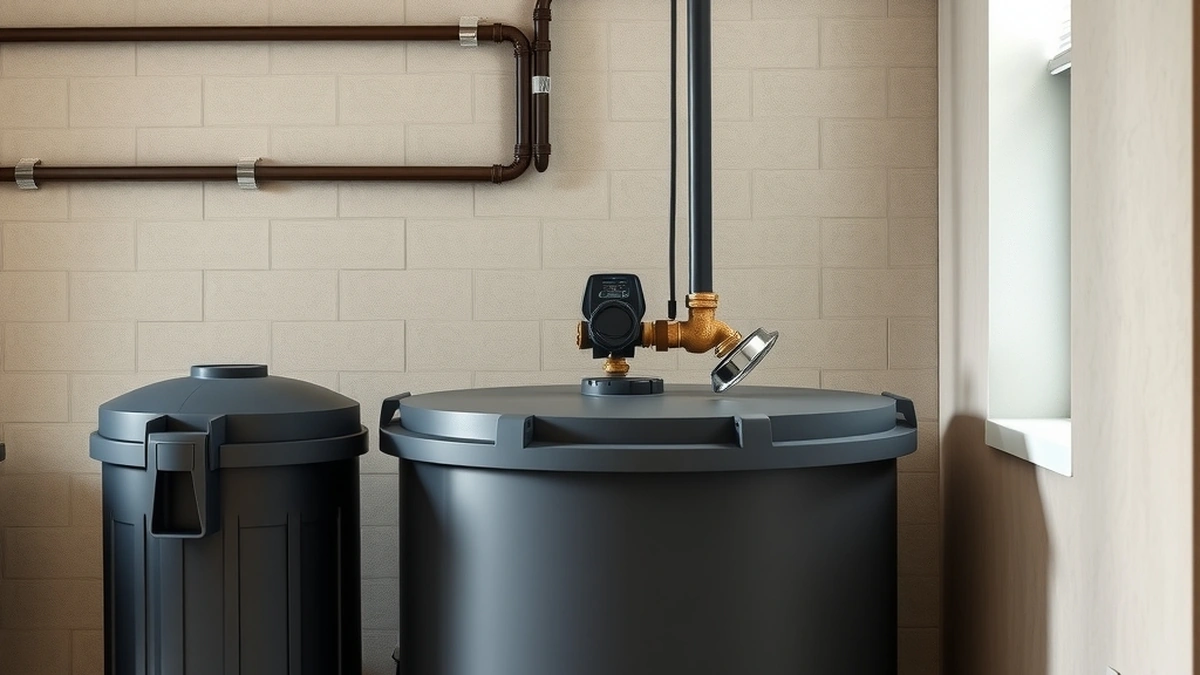
Iron filter maintenance is a monthly backwash inspection, a media replacement every 3-5 years at $200-$600, and an annual iron test. Air injection units also need the compressor checked and the vent cleared.
- Backwash check
- Monthly
- Media life
- 3 - 5 years
- Media cost
- $200 - $600
- Annual test
- $40 - $150
- Annual cost
- $80 - $200
Some links on this page are affiliate links.If you buy through them we may earn a commission at no extra cost to you. We do not accept payment for rankings. Read the full disclosure.
Iron filter maintenance is a monthly backwash check, an annual iron test, and media replacement every 3-5 years at $200-$600. Air injection units add a twice-yearly compressor and vent check. The monthly check is the one that prevents most failures.
What the filter needs from you
An iron filter oxidizes dissolved iron into particles and traps them in a media bed. Backwash flushes those particles to drain. Maintenance is about keeping that cycle working.
There is no salt and no cartridge in a tank unit. The moving parts are the control valve, the drain line, and on air injection designs, a small compressor and vent.
That short list is why iron filters are low-maintenance equipment and why failures are usually about flow rather than parts. A valve that cannot pull water through the drain cannot clean the bed.
The maintenance calendar
| Interval | Task | Cost |
|---|---|---|
| Monthly | Watch a backwash cycle, confirm drain flow | $0 |
| Every 3-6 months | Change sediment pre-filter, if equipped | $10 - $30 |
| Every 6 months | Check air compressor intake and vent | $0 |
| Annually | Test iron at a cold tap | $40 - $150 |
| Annually | Inspect valve, drain line, and bypass | $0 |
| Every 3-5 years | Replace media | $200 - $600 |
A filter on a well with 4 ppm iron and normal sediment runs about $80-$200 per year, most of it the annual test and pre-filter cartridges.
Watching a backwash
Trigger a manual regeneration and watch it. The drain should run clear for the first minute, then turn dark as the bed lifts, then clear again during the rinse.
Drain flow should be steady at 5-10 GPM. A weak trickle means a clogged drain line, a failing flow control, or a valve that is not opening fully.
If the water never turns dark, the bed is not being disturbed, which means the backwash flow is too low to expand the media. That filter is passing iron even though the valve runs on schedule.
If media comes out the drain, the flow is too high. A flow restrictor on the drain line fixes it, and lost media needs replacing before the bed drops below its design depth.
Media replacement
Media life is 3-5 years. The signs are gradual: iron stains return on fixtures, the water tastes metallic again, and the filter backwashes more often without improving.
Replacement means isolating the tank, bypassing it, removing the valve, vacuuming out the old media, adding new media and gravel, and reassembling. A 1.5-cubic-foot tank takes about two hours.
Cost runs $200-$600 installed. Catalytic media is more expensive than standard oxidation media, and a larger tank costs more in both media and labor.
Do not top off old media with new. The bed stratifies and the fresh media does the work while the spent media fouls, which shortens the next interval.
Air injection specifics
Air injection units draw ambient air into the tank to oxidize iron. The compressor is a small diaphragm pump that runs during regeneration, and its intake filter clogs with dust.
Check the intake every six months and replace the filter pad if it is discolored. Check the vent line for kinks, ice, or insect nests. A blocked vent stops the air draw and the filter passes iron.
If the compressor runs but no air reaches the tank, the check valve at the air inlet has failed. That is a $20-$50 part and a common cause of “the filter stopped working” calls.
When the problem is upstream
Iron bacteria are the most common misdiagnosis. A filter removes iron; it does not disinfect a well. Slimy growth in the toilet tank or a metallic smell that returns within days means the well needs shock chlorination.
Low pH is the second. Oxidation media work best above pH 7, and acidic water at pH 6 shortens media life and reduces removal. A neutralizer ahead of the filter is the fix.
A well that is running dry is the third. A pump drawing air pulls sediment and air into the filter, which fouls the bed and confuses the valve. Iron bacteria in well covers the biological case, and iron filter backwash explains cycle settings in more detail.
Cost over ten years
Two media changes at $400 is $800. Ten annual tests at $60 is $600. Twenty pre-filter cartridges at $15 is $300. Total: $1,700 over ten years, or $170 per year.
That excludes electricity for the valve and compressor, which is a few dollars a month. It also excludes any repair to the valve, which typically lasts 10-15 years.
For the installation side, iron filter installation covers the drain and vent work. If the iron level has changed since the filter was sized, iron in well water explains what the numbers mean.
A simple commissioning check each year
Once a year, run through the same four checks a technician would, in this order.
- Trigger a manual backwash and watch the drain run clear, dark, then clear.
- Measure drain flow with a bucket and a timer to confirm 5-10 GPM.
- Test iron at a cold tap that bypasses no equipment, and compare to last year.
- Inspect the bypass valves and exercise them so they still turn.
If the drain flow is low, clean the flow control and check the drain line for scale or a kinked hose. If the iron number has doubled, the bed is likely exhausted, and iron filter cost gives the replacement band before you call anyone.
Write the results down. Three years of iron numbers tell you whether the media is fading gradually or whether something changed in the well.
Frequently asked questions
How often does an iron filter need maintenance?
A monthly check that backwash is running and draining, an annual iron test, and media replacement every 3-5 years. Air injection units also need the compressor and vent checked twice a year.
How often should an iron filter backwash?
Every 3-7 days depending on iron load and water use. A heavier load needs more frequent backwash, and a filter that runs too long between cycles will foul.
How much does iron filter media replacement cost?
Two hundred to six hundred dollars installed, depending on tank size and media type. A 1.5-cubic-foot tank sits at the low end; a 2.5-cubic-foot catalytic bed sits at the top.
Why is my iron filter not removing iron anymore?
Usually a failed backwash, an exhausted bed, or a change in water chemistry such as falling pH. Check the drain flow during backwash before buying media.
What maintenance does an air injection iron filter need?
Check the compressor air intake and the vent every six months, and confirm the air draw is working by watching the backwash. A clogged intake stops oxidation and the filter passes iron.
Does an iron filter need a pre-filter?
A sediment pre-filter protects the valve and reduces backwash frequency on wells with grit. It needs a cartridge change every 3-6 months at $10-$30.
Sources
Some links are affiliate links.If you buy through them we may earn a commission at no extra cost to you. We do not accept payment for rankings. Read the full disclosure.