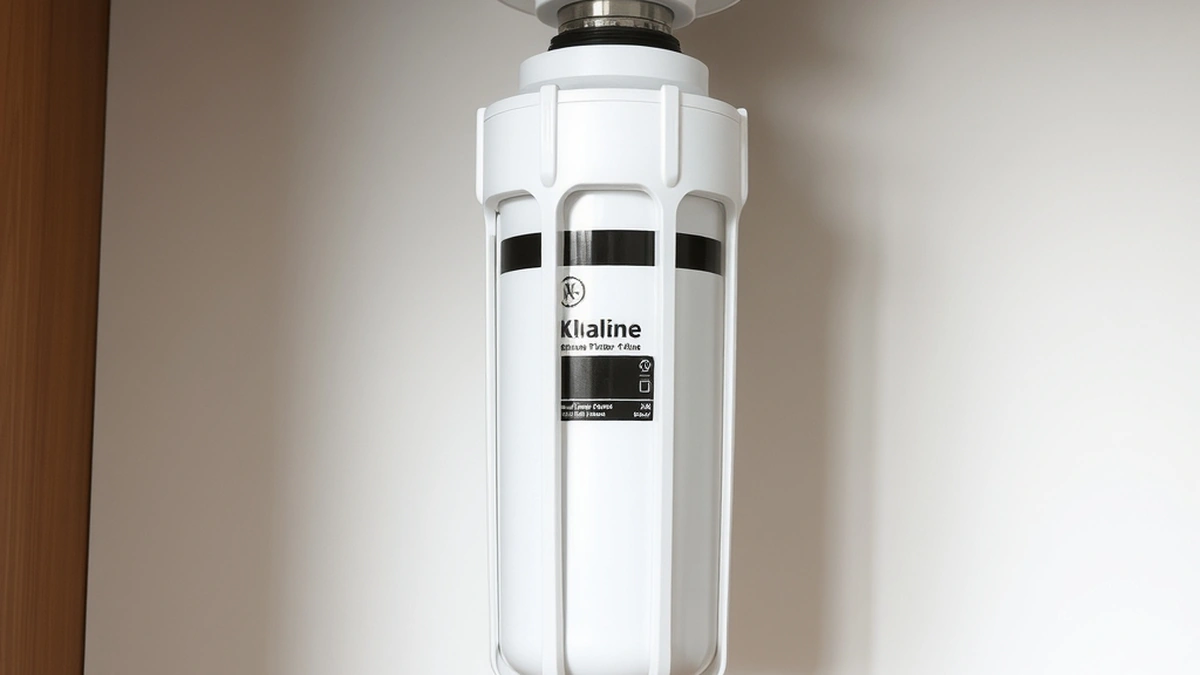
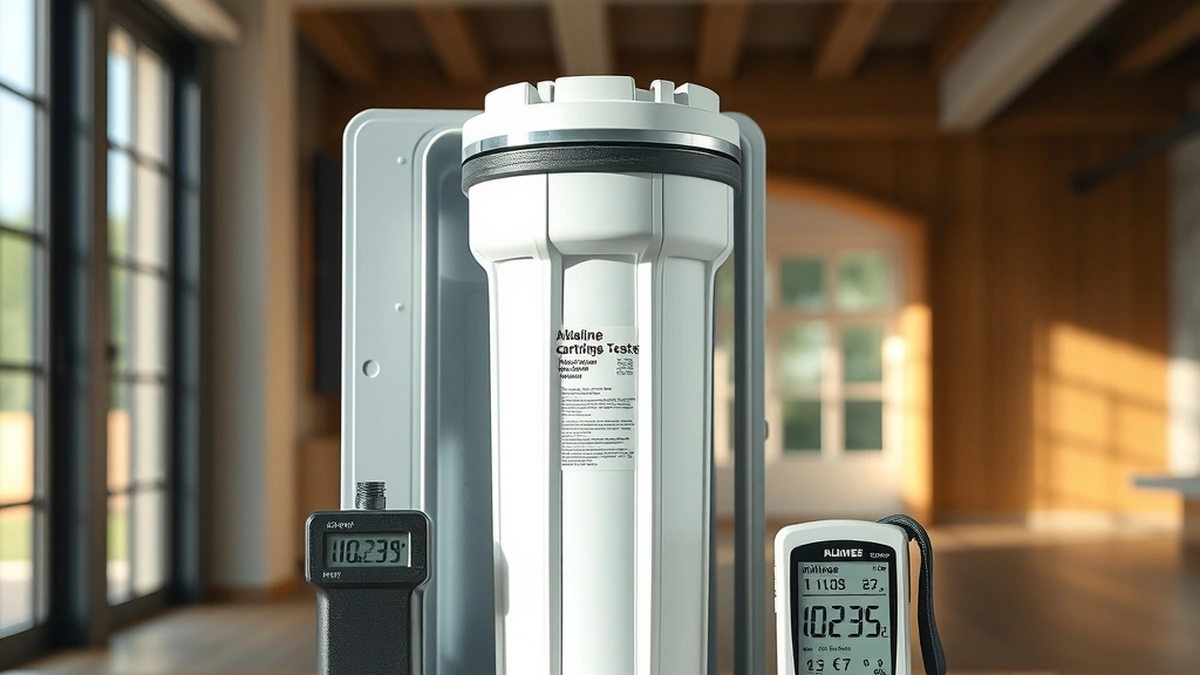
RV water filter maintenance schedule
RV filter maintenance is a cartridge every 3-6 months, a housing rinse at each change, and a winter drain. See the seasonal routine and $40-$90 cost.
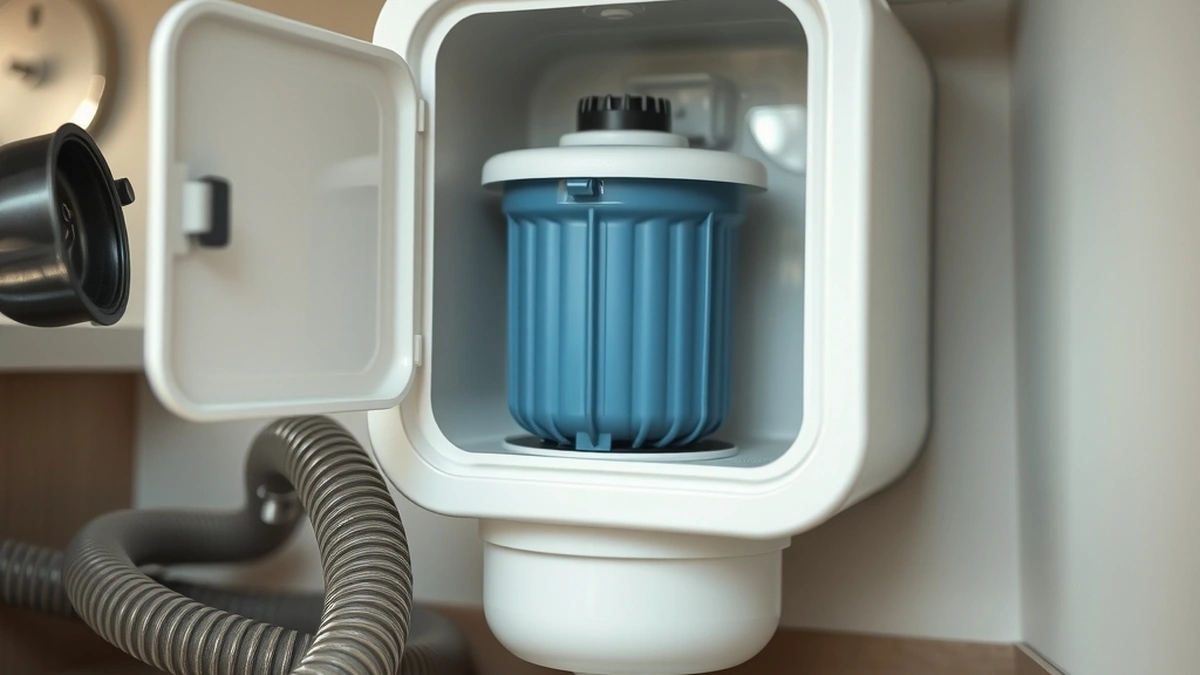
RV water filter maintenance is a cartridge every 3-6 months of use, a housing rinse at each change, and a full drain before storage. Cartridges cost $15-$45 each, so a season runs $40-$90.
- Cartridge life
- 3 - 6 months
- Season cost
- $40 - $90
- Housing rinse
- Each change
- Winter drain
- Before storage
- Sanitize tank
- Twice a year
Some links on this page are affiliate links.If you buy through them we may earn a commission at no extra cost to you. We do not accept payment for rankings. Read the full disclosure.
RV water filter maintenance is a cartridge every 3-6 months of use, a housing rinse at each change, and a full drain before storage. A season costs $40-$90 in cartridges. The winter drain is the step that saves the housing.
What the season does to a filter
An RV water filter treats water from a different source every week. That variability is what makes maintenance different from a house.
Campground water ranges from soft municipal supply to hard well water with sediment. A cartridge that would last six months at home can load in six weeks at a park with iron.
The housing takes abuse too: sun, vibration, pressure spikes, and freeze cycles. A unit that lives on a bumper sees more weather in a season than a basement filter sees in a decade.
The seasonal calendar
| Timing | Task | Cost |
|---|---|---|
| Start of season | New cartridge, sanitize fresh tank | $20 - $45 |
| Every 3 - 6 months | Cartridge change | $15 - $40 |
| Each change | Rinse housing, inspect O-ring | $1 |
| Monthly | Check hose and regulator for cracks | $0 |
| End of season | Drain housing, store dry | $0 |
| Every 2 - 3 seasons | Replace drinking-water hose | $20 - $45 |
A full-timer who runs the filter year-round changes three or four cartridges, which lands at $60-$120. A weekend camper may change one, at $15-$40.
Changing the cartridge
- Shut off the spigot and release pressure at a tap.
- Unscrew the housing sump or release the quick-connect.
- Pull the old cartridge and discard it.
- Rinse the sump with clean water and wipe the interior.
- Inspect the O-ring; lubricate with silicone grease if dry.
- Seat the new cartridge, hand-tighten, and reconnect.
- Run water for a minute and check for leaks.
Do not overtighten. A plastic sump cracks at the threads, and a cracked sump is a $30-$70 part plus a wet compartment.
If the housing will not seal, the O-ring is the reason nine times out of ten. A spare ring costs a dollar and takes no space.
Sanitizing the fresh tank
The fresh tank is where biofilm lives between trips. A filter downstream of a contaminated tank does not fix the tank.
Twice a year, or at the start of the season, add a quarter cup of household bleach per 15 gallons of tank capacity, fill the tank, run water through every faucet until you smell chlorine, and let it sit four hours.
Drain, refill, and flush until the chlorine smell is gone. Replace the filter cartridge after sanitizing, because chlorine exposure degrades the carbon.
Skip this and the first trip of the season tastes like a swimming pool with a hint of garden hose.
Winterizing
Remove the cartridge and drain the housing completely. Store the housing with the cap loose so air can circulate.
Drain the hose by hanging it, then coil it loosely. A hose stored with water inside splits at the weakest point when it freezes.
Blow out the lines if the rig has a compressed-air port, or use the pink antifreeze method per the manufacturer. The filter housing must be empty before either.
Leave the cartridge out for storage. A wet cartridge in a closed housing grows biofilm over the winter, and the smell does not rinse out in spring.
Water quality on the road
A filter reduces sediment, chlorine, and taste. It does not make questionable water safe. If a park is on a boil-water notice, filtration is not the answer.
Sediment is the practical concern. Parks that flush lines in spring send rust and grit through the system, and a filter that catches it protects the pump and the aerators.
Iron staining in the rig’s fixtures is a source problem. A cartridge will load with iron in weeks and the staining continues. Iron in well water explains what the test should show.
Cost over a season
Three cartridges at $30 is $90. One hose every three seasons at $35 is about $12 per year. Washers and silicone grease are $5.
Total: $107 for a full-timer, or about $60 for a weekend camper who changes two cartridges. That is the honest range behind the “$40-$90” figure.
For the install side, RV water filter installation covers regulator placement, and RV water filter cost compares inline, canister, and under-sink formats. “”
A pre-trip checklist
Ten minutes before you leave covers the failures that ruin a first night.
Check the housing for cracks and the O-ring for flattening. Confirm the regulator is in the bag, not left on a spigot at the last park.
Run water through the filter at home before you travel. A cartridge that sat all winter can taste stale for the first gallon, and finding that out at a campsite is worse than finding it out in the driveway.
Confirm the fresh tank was drained and sanitized at the end of last season, and that the low-point drains are closed.
Carry a spare cartridge and two spare washers. They cost $30 total and weigh almost nothing, and they turn a failed filter into a five-minute fix rather than a trip to a hardware store in an unfamiliar town. RV water filter cost covers what a spare kit should cost, and sediment in well water explains why park water sometimes arrives brown.
Frequently asked questions
How often should an RV water filter be changed?
Every 3-6 months of active use, or about 1,000-2,000 gallons. A full-timer changes it more often than a weekend camper because the gallon count climbs faster.
How do I winterize an RV water filter?
Remove the cartridge, drain and dry the housing, and store it with the cap loose. A housing full of water cracks when it freezes.
Can I sanitize an RV water filter cartridge?
No. Replace it. The housing can be sanitized with a mild bleach solution and rinsed, but the carbon cartridge should not be exposed to chlorine.
Why does my RV water taste bad after storage?
Biofilm in the housing, the hose, or the fresh tank. Sanitize the tank, replace the cartridge, and flush the lines before the first trip.
How much does RV filter maintenance cost per season?
Forty to ninety dollars for two or three cartridges, plus a few dollars for washers. A new hose every few seasons adds $20-$45.
Do I need to change the filter if I only use campground water?
Yes. Campground water carries sediment and chlorine, and the cartridge loads regardless of whether the water is potable. Change it on the calendar or on flow.
Sources
Some links are affiliate links.If you buy through them we may earn a commission at no extra cost to you. We do not accept payment for rankings. Read the full disclosure.