salt-free water softener maintenance schedule
Salt-free softener maintenance is a 15-minute annual check plus media replacement every 3-5 years at $150-$400. See the month-by-month schedule.
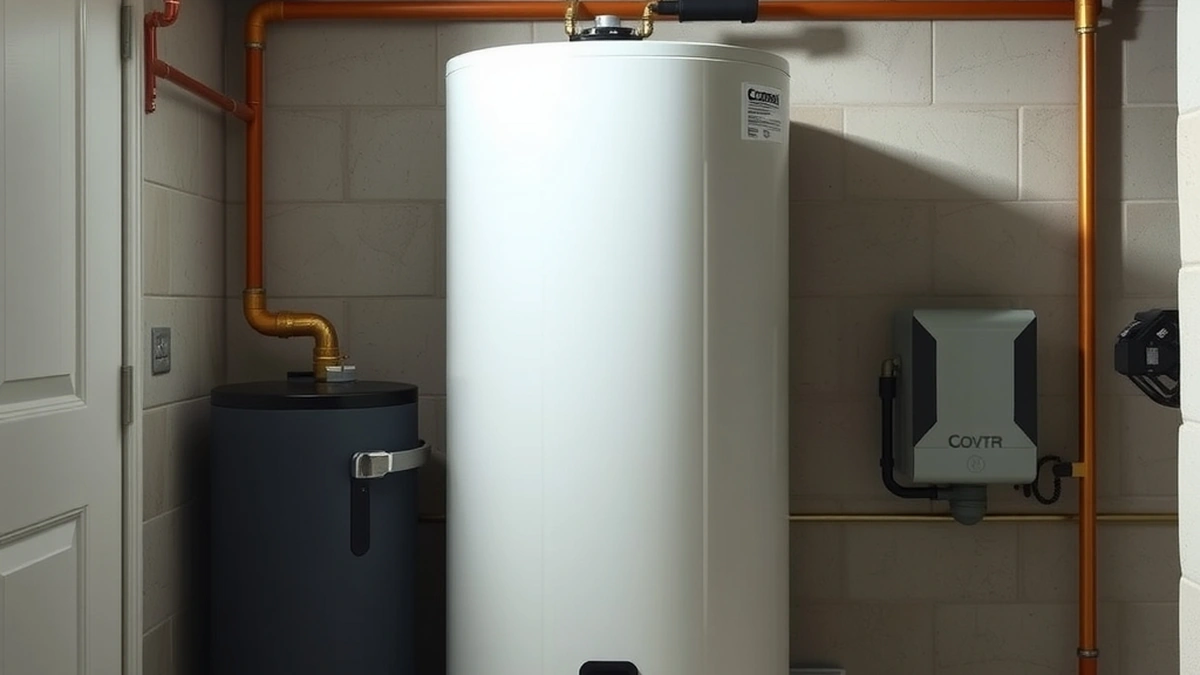
Salt-free water softener maintenance is light: inspect and flush annually, replace media every 3-5 years at $150-$400, and clean the housing when sediment appears. There is no salt, no regeneration, and no drain to service.
- Annual inspection
- 15 minutes
- Media replacement
- 3 - 5 years
- Media cost
- $150 - $400
- Annual cost
- $30 - $100
- Drain service
- None
Some links on this page are affiliate links.If you buy through them we may earn a commission at no extra cost to you. We do not accept payment for rankings. Read the full disclosure.
Salt-free water softener maintenance is about 15 minutes a year plus a media change every 3-5 years. There is no salt to add, no brine tank to clean, and no regeneration cycle to program. What remains is an annual inspection, a flush, and eventually new media at $150-$400.
What the schedule looks like
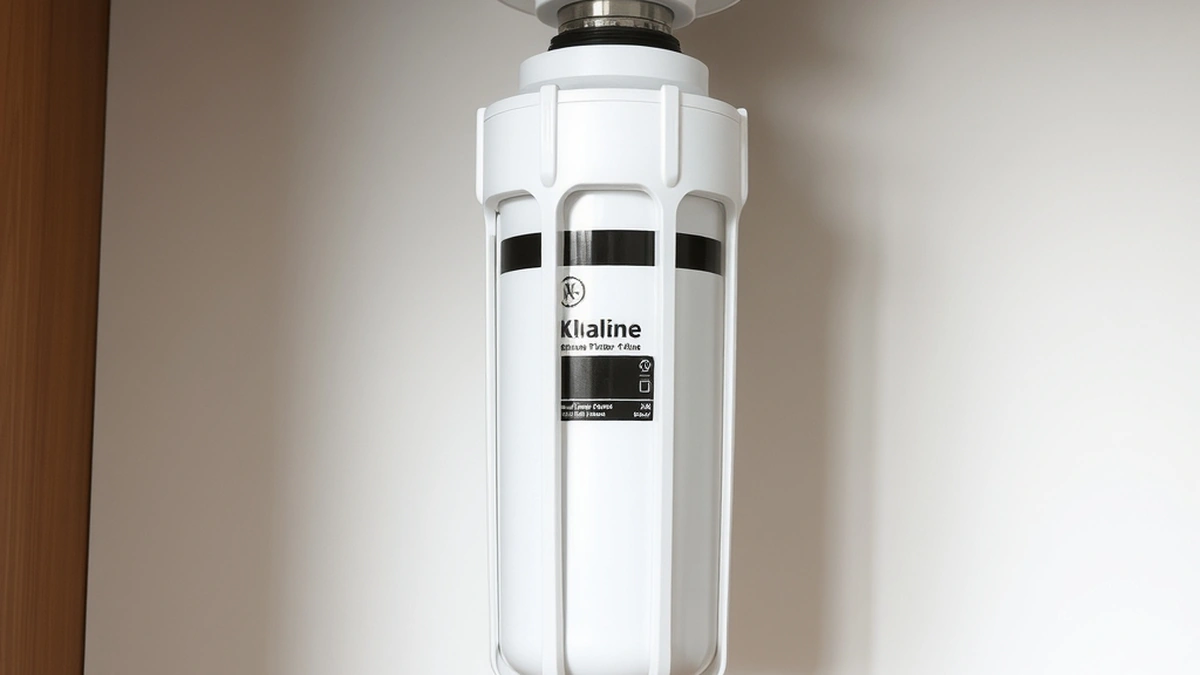
A salt-free water softener is a conditioner that alters how hardness minerals behave without removing them. Because it does not regenerate, the maintenance calendar is short.
The annual tasks are inspection, a flush, and a water test. The multi-year task is media replacement. Everything else is reactive: clean the housing if sediment appears, fix a leak if one develops.
That is the entire schedule. Compare it to a salt-based softener, which needs salt every 4-6 weeks, a brine tank cleaning annually, and a resin rebed every 8-12 years.
Month-by-month and year-by-year
| Interval | Task | Time | Cost |
|---|---|---|---|
| Monthly | Visual check for leaks and weeping fittings | 2 min | $0 |
| Quarterly | Confirm flow at fixtures is unchanged | 5 min | $0 |
| Annually | Inspect tank, flush, test hardness and iron | 15 min | $0 - $40 |
| Annually | Clean cartridge housing if equipped | 20 min | $5 |
| Every 3-5 years | Replace media | 1 - 2 hours | $150 - $400 |
| As needed | Replace O-rings and washers | 20 min | $10 - $25 |
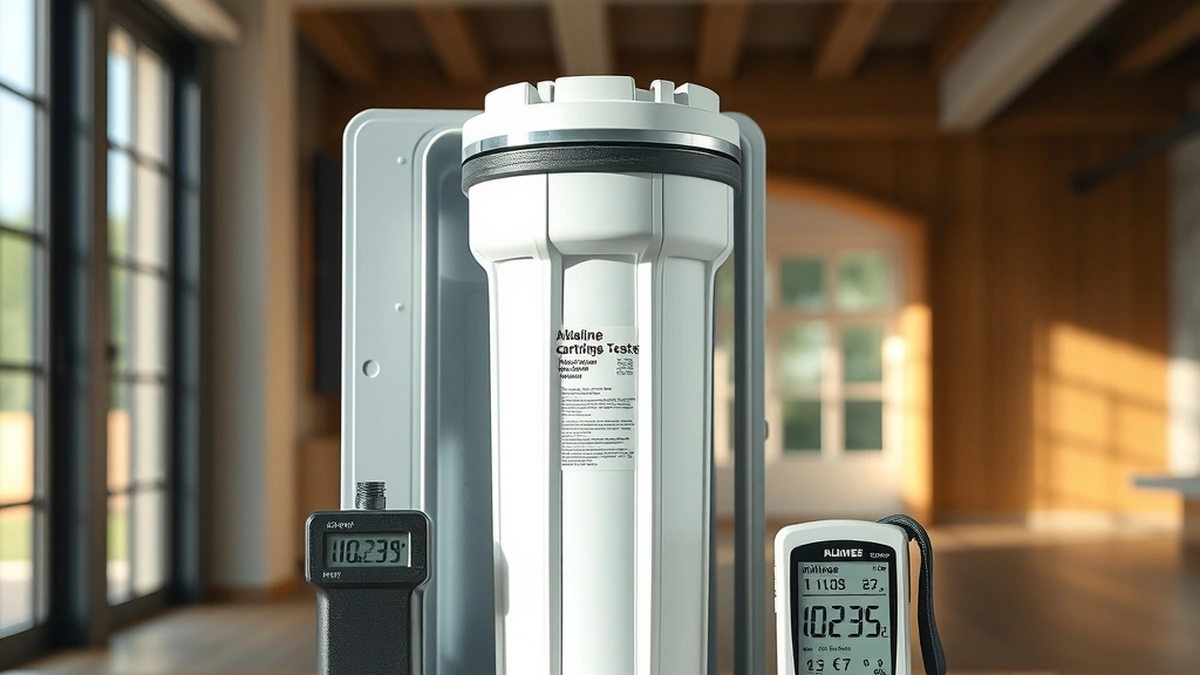
The annual water test is the item people skip. It costs nothing if you already own a kit, or $40-$150 for a lab panel, and it is the only way to know whether the unit is still doing anything.
The annual inspection, in order
- Look for mineral crust or water stains at both unions.
- Check that the bypass valves are in the service position, not partially open.
- Open a downstream tap and confirm flow is normal.
- Test hardness at a cold tap and compare to the pre-install number.
- Test iron; a rising number means upstream treatment is failing.
- Flush 5-10 gallons to drain if the unit has a flush port.
A conditioner does not change hardness readings, so the test is a check on the whole system rather than on the device. If hardness has risen, something upstream changed, or the media is exhausted and passing scale-forming minerals in a different form.
Media replacement
Media life is 3-5 years. The signs are gradual: scale returns on shower glass, the water feels different, and flow through the tank may drop slightly.
Replacement means isolating the unit, depressurizing, removing the head, vacuuming or flushing out the old media, adding new media, and reassembling. A 1.5-cubic-foot tank takes about an hour; a 2.5-cubic-foot tank takes two.
Media costs $150-$400 depending on volume and type. Some manufacturers sell a sealed replacement tank that swaps in as a unit, which costs more but avoids the mess.
Do not mix old and new media. Spent media dilutes the fresh bed and shortens the interval before the next change.
Cartridge and electronic variants
A cartridge descaler needs a cartridge every 6-12 months at $40-$120, plus a housing cleaning at each change. That is more frequent than media replacement but cheaper per service.
An electronic descaler has no media and no cartridge. Maintenance is limited to checking the coil is still wrapped and the power adapter is working. Its service life is the electronics, typically 5-10 years.
Both variants need the same annual water test, because the test is what tells you whether the device is achieving anything measurable.
What maintenance will not fix
A conditioner will not remove iron, and no amount of servicing changes that. Iron above 2-3 ppm fouls the media and shortens its life, so the correct response is upstream treatment, not more frequent cleaning.
It will not restore lost capacity through cleaning. Media that has been in service for five years is spent, and flushing it does not bring it back.
It will not fix scale that has already formed in a water heater. That is a descaling job on the appliance, not a treatment issue. Hard water and appliances covers what scale does to equipment over time.
Cost of ownership
Five years of maintenance on a media conditioner: $0 in salt, $40 in test kits, $20 in O-rings, and one $300 media change, which totals $360, or $72 per year.
The same period on a softener: $250 per year in salt is $1,250, plus $30 in cleaning supplies, totals $1,280, or $256 per year. The conditioner is cheaper to own by roughly $180 per year, and it does not soften.
For the installation side, salt-free water softener installation covers the 2-4 hour job, and salt-free water softener cost breaks out the equipment bands.
Seasonal checks for cold climates
A salt-free conditioner holds water in a pressure vessel, and water expands when it freezes. A tank in an unheated garage or crawlspace is at risk every winter.
Before the first freeze, either drain the tank and isolate it, or keep the space above freezing. Insulating the tank itself does not help if the room drops below 20°F for days.
In spring, check the tank and head for hairline cracks before restoring service. A cracked tank weeps slowly and shows as a damp patch under the unit rather than a spray.
Homes on a well should also check the pressure tank and the pump cycle after winter. A conditioner does not cause pump problems, but a pump that short-cycles changes the flow the conditioner sees and can make it look like the media has failed.
What a service call covers
A technician visit for a salt-free unit usually includes a flow test, a hardness test, a visual inspection of the tank and head, and a recommendation on media. That runs $100-$200 in most markets.
The visit is worth it every few years if you are not comfortable pulling the head. It is not worth it annually, because there is nothing to adjust and no consumable to replace.
If a technician recommends media replacement at year two, ask for the flow test numbers and the scale observation that supports it. Media typically lasts 3-5 years, and early replacement is usually a revenue decision rather than a maintenance one.
Frequently asked questions
How often does a salt-free softener need maintenance?
An annual inspection and flush, housing cleaning when sediment shows, and media replacement every 3-5 years. There is no salt to add, no brine to check, and no regeneration cycle to program.
When should the media be replaced?
Every 3-5 years under normal use. Signs include scale returning on fixtures, falling flow, and water that feels different. Media cost runs $150-$400 depending on tank size.
Does a salt-free conditioner need backwashing?
Media tanks do not, because they do not capture solids the way a filter does. Cartridge-style units are replaced rather than backwashed, and electronic units have no media at all.
How do I clean a salt-free conditioner housing?
Isolate the unit, depressurize, remove the cartridge or head, and wipe the interior with a mild vinegar solution. Rinse thoroughly before reassembly and check the O-ring for cracks.
Does a salt-free softener need an annual water test?
Yes. Test hardness and iron once a year. Hardness should read the same as before installation, and a rising iron number means upstream treatment is needed.
Can a salt-free conditioner freeze?
Yes, and freezing cracks the tank. If the unit sits in an unheated garage or crawlspace, drain it before winter or insulate the space around it.
Sources
Some links are affiliate links.If you buy through them we may earn a commission at no extra cost to you. We do not accept payment for rankings. Read the full disclosure.