What a Sediment Filter Costs: Cartridge vs Backwashing
Sediment filters run $150 - $600 for a cartridge housing or $800 - $2,500 for a backwashing unit. Compare cartridges, install, and ten-year costs.
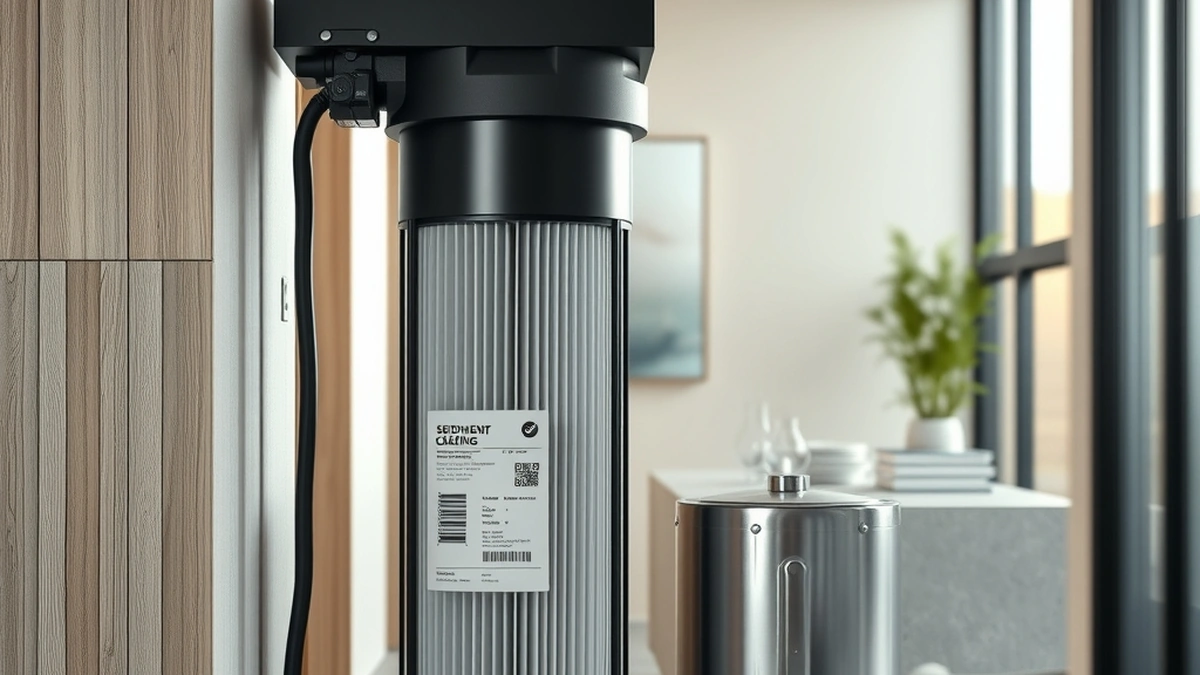
A sediment filter costs $150 - $600 installed for a cartridge housing and $800 - $2,500 for a backwashing unit. Cartridges run $5 - $20 and change every 3 - 6 months, which is $20 - $80 a year in media.
- Cartridge housing
- $150 - $600 installed
- Backwashing unit
- $800 - $2,500
- Cartridge price
- $5 - $20 each
- Change interval
- 3 - 6 months
- Ten-year total
- $900 - $2,500
Some links on this page are affiliate links.If you buy through them we may earn a commission at no extra cost to you. We do not accept payment for rankings. Read the full disclosure.
A sediment filter costs $150 - $600 installed for a cartridge housing, or $800 - $2,500 for a backwashing unit. Cartridges run $5 - $20 and change every 3 - 6 months, which is $20 - $80 a year in media. The housing itself lasts 10 - 15 years.
Cartridge Housings
A single 10-inch housing sells for $40 - $150. Installed with fittings and a bypass, it runs $150 - $400.
A double or triple housing sells for $100 - $300, installed at $300 - $600. Multiple stages allow a coarse prefilter and a finer final filter.
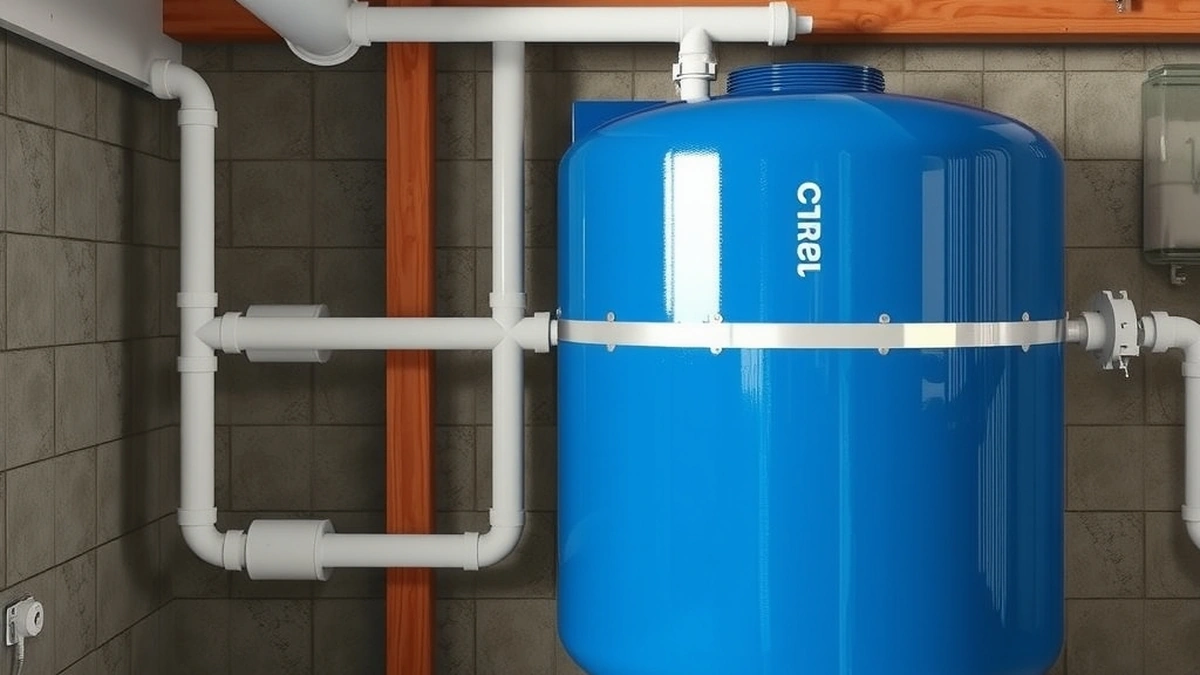
A big blue 20-inch housing sells for $150 - $400, installed at $350 - $700. It holds more media and needs changing less often.
Housings are simple pressure vessels. They fail at the O-ring or the threads, not at the body, and both are replaceable.
Backwashing Filters
A backwashing sediment filter uses a tank of media and reverses flow periodically to flush captured material to the drain.
Equipment sells for $600 - $1,800, installed at $800 - $2,500. It needs a drain and power, and it uses water during backwash.
It suits heavy sediment, sand, and high flow, where cartridge changes would be constant.
Cartridge Costs Over a Year
| Cartridge type | Price | Change interval | Annual cost |
|---|---|---|---|
| 20 - 50 micron pleated | $5 - $12 | 3 - 6 months | $20 - $48 |
| 5 micron pleated | $8 - $20 | 3 - 6 months | $32 - $80 |
| 1 micron | $10 - $25 | 2 - 4 months | $30 - $150 |
| Carbon block | $15 - $40 | 6 - 12 months | $30 - $80 |
A household changing four 5-micron cartridges a year at $12 each spends $48. A household on dirty water changing monthly spends $144.
The finer the rating, the faster it loads. That is why a staged approach is cheaper than a single fine cartridge.
The Installed Total
A single housing with a first cartridge: $60 equipment + $120 labor = $180 installed, at the low end.
A double housing: $200 equipment + $250 labor = $450 installed.
A backwashing unit: $1,200 equipment + $600 labor + $400 drain = $2,200 installed.
Those are typical figures. A plumber’s minimum charge and the pipe material move them by 20 - 30 percent.
Ten-Year Arithmetic
A cartridge system at $300 installed + ($60 × 10) = $900 over ten years.
A backwashing filter at $1,800 installed + ($100 × 10) = $2,800 over ten years.
The cartridge system is cheaper and demands more attention. The backwashing filter costs more and asks for less.
The micron rating affects cartridge cost and change frequency. A 1-micron element costs more and loads faster than a 20-micron one.
The flow rating affects housing size. A house drawing 12 GPM needs a housing rated above that, which usually means a larger body and a higher price.
The water quality affects everything. Clear municipal water may need two changes a year; a sandy well may need twelve.
Steps to Choose
- Test the water for turbidity and sediment load.
- Measure peak flow at 8 - 15 GPM.
- Start with a 20 - 50 micron prefilter.
- Add a 5-micron stage if the water is still cloudy.
- Install a bypass so cartridges can be changed easily.
- Add pressure gauges before and after the filter.
- Change the cartridge at a 10 PSI drop.
What the Price Does Not Include
An iron filter at $800 - $2,500 if iron is present. A sediment filter does not remove dissolved iron.
A softener at $1,200 - $4,500 if hardness is high. Sediment filtration does not soften water.
A well repair if the sediment comes from a failing screen or casing. A filter treats the symptom.
A water test at $40 - $150, which should come before the purchase.
Buying cartridges in case quantities rather than singles saves 20 - 30 percent.
Choosing a standard 10-inch housing rather than a proprietary one keeps cartridge prices low for the life of the unit.
Using a coarse prefilter ahead of a fine one extends the fine cartridge’s life and lowers the annual cost.
A Note on Pressure Drop
Every filter adds resistance. A loaded cartridge can drop pressure by 15 - 20 PSI, which shows up as weak showers.
Pressure gauges on both sides of the housing turn that into a reading. Change the cartridge when the drop reaches 10 PSI, before the flow becomes a complaint.
The price is driven by three things: the micron rating, the flow rating, and the water quality. A 1-micron element costs more and loads faster than a 20-micron one, a house drawing 12 GPM needs a larger housing, and a sandy well may need twelve cartridge changes a year where a clean municipal supply needs two.
Savings come from buying cartridges in case quantities, which cuts 20 - 30 percent, and from choosing a standard 10-inch housing rather than a proprietary one that locks in cartridge prices for the life of the unit. A coarse prefilter ahead of a fine cartridge extends the fine element’s life and lowers the annual cost without changing the housing.
One more number worth knowing: a backwashing filter consumes 50 - 150 gallons per backwash, and the cycle runs every few days. On a municipal bill at $4 per 1,000 gallons, that is $10 - $30 a year, which is small but permanent.
The housing itself is the durable part. A $60 housing can last fifteen years, and the annual cost of ownership is dominated by cartridges rather than hardware. That is why the cartridge standard matters more than the brand of the housing.
For the micron guidance, see sediment filter micron ratings. For the treatment overview, see sediment in water treatment. For whole-house pricing, see whole house water filter cost.
Frequently asked questions
How much does a sediment filter cost?
A cartridge housing and first cartridge run $150-$600 installed. A backwashing filter runs $800-$2,500, with media lasting years.
How much are replacement cartridges?
Typically $5-$20 each, and most homes change them every 3-6 months, which is $20-$80 a year.
Is a backwashing filter worth the extra cost?
It is worth it for heavy sediment or high flow. For light sediment, a cartridge housing costs far less and does the same job.
What micron rating should I buy?
Start at 20-50 micron for heavy grit, then add a 5-micron stage if needed. A 1-micron cartridge clogs quickly on dirty water.
Does a sediment filter need a drain?
A cartridge filter does not. A backwashing filter does, because it flushes captured sediment to a drain.
How long does a sediment filter last?
The housing lasts 10-15 years. Cartridges are consumables, and backwashing media lasts 5-10 years.
Sources
Some links are affiliate links.If you buy through them we may earn a commission at no extra cost to you. We do not accept payment for rankings. Read the full disclosure.