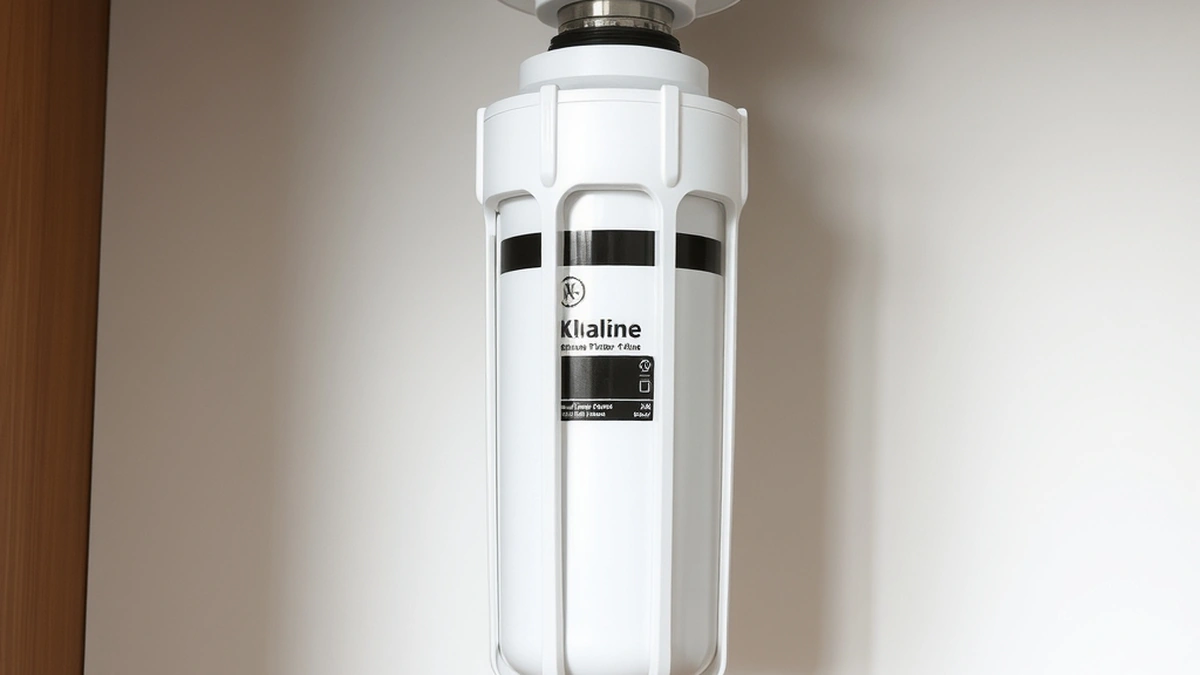
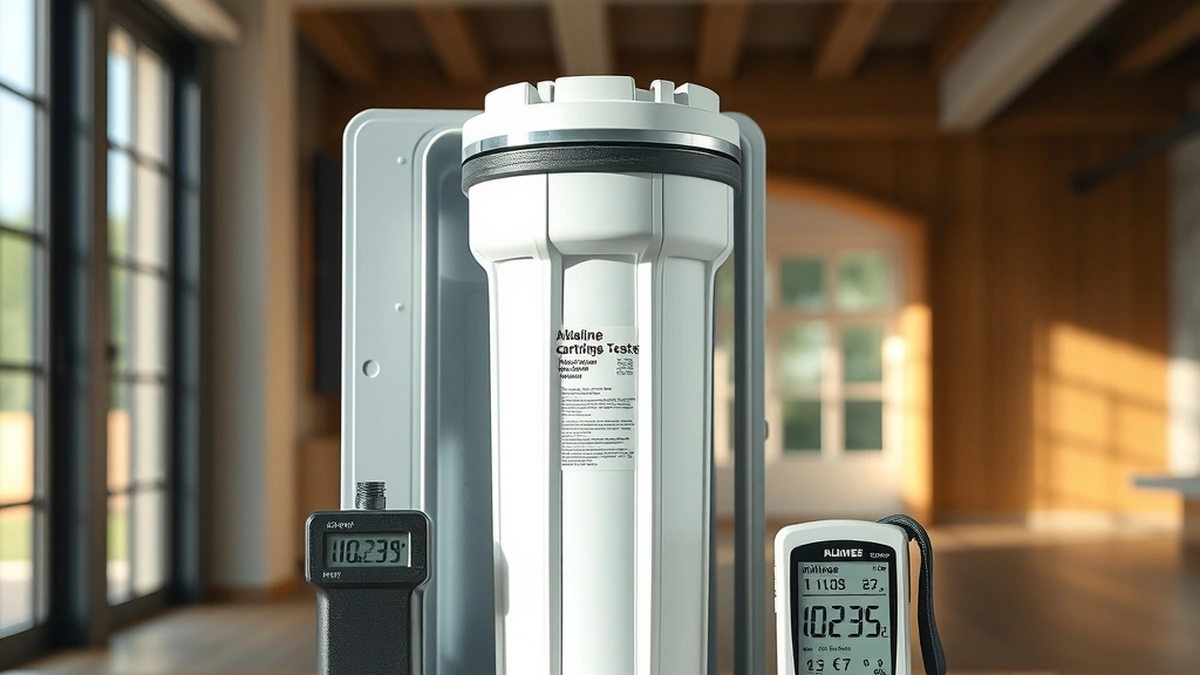
under sink water filter maintenance schedule
Under sink filter maintenance is a cartridge every 6-12 months and a housing check at each change. See the schedule, costs, and leak points.
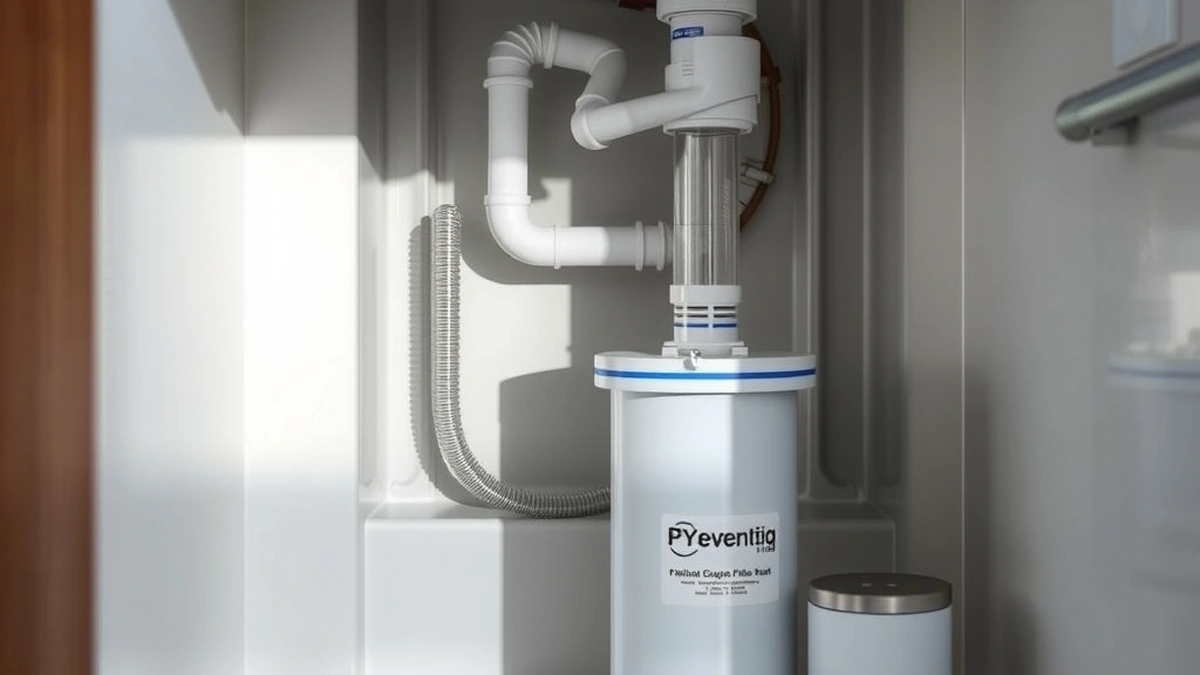
Under sink water filter maintenance is a cartridge change every 6-12 months, a housing and O-ring inspection at each change, and a leak check every few months. Cartridges cost $25-$120 per year.
- Cartridge change
- 6 - 12 months
- Annual cost
- $25 - $120
- O-ring check
- Every change
- Leak check
- Every 3 months
- Sediment stage
- 3 - 6 months
Some links on this page are affiliate links.If you buy through them we may earn a commission at no extra cost to you. We do not accept payment for rankings. Read the full disclosure.
Under sink water filter maintenance is a cartridge change every 6-12 months plus an O-ring inspection at each change. Two-stage systems also need a sediment cartridge every 3-6 months. Annual cost runs $25-$120, and the most common failure is a pinched O-ring, not a worn cartridge.
What is actually being maintained
An under sink water filter is a point-of-use system in the kitchen cabinet, feeding a dedicated faucet. The parts that wear are the cartridge, the O-ring, and the tubing connections.
The cartridge is the only consumable. The housing, bracket, faucet, and tubing should last a decade or more if they are not overtightened or allowed to freeze.
That means maintenance is mostly a cartridge calendar with an inspection bolted on. The inspection is what prevents the leaks that turn a $30 cartridge into a $300 cabinet repair.
The schedule
| Interval | Task | Cost |
|---|---|---|
| Every 3 months | Visual leak check, wipe drips | $0 |
| Every 3-6 months | Sediment pre-stage (two-stage units) | $10 - $25 |
| Every 6-12 months | Carbon cartridge change | $25 - $95 |
| Every 12 months | O-ring inspection and lubrication | $2 - $5 |
| Every 2-3 years | Replace O-ring and check tubing | $10 - $20 |
| Every 5 years | Inspect housing for cracks | $0 - $60 |
A single-stage system is one line item. A two-stage system doubles the cartridge count and lands at the top of the annual range.
Changing the cartridge
- Clear space in the cabinet and put a towel under the housing.
- Close the supply valve and open the faucet to release pressure.
- Unscrew the sump or release the quick-connect, depending on the design.
- Pull the old cartridge, note its orientation, and wipe the sump.
- Lubricate the O-ring with silicone grease and seat it in its groove.
- Install the new cartridge, hand-tighten the sump, then a quarter turn.
- Open the valve, check for leaks, and flush 2-3 minutes.
The quarter-turn rule matters. Plastic sumps crack when a wrench is used past hand-tight, and a cracked sump is a $40-$80 part plus the water damage.
Leak points and what they mean
The sump O-ring is the first suspect. A dry O-ring rolls out of its groove during tightening and weeps under pressure. Silicone grease solves it.
The tubing connections are second. Push-fit fittings hold by an internal collet, and a tube that is not pushed fully home will weep. Pull gently on each tube after assembly; if it moves, it is not seated.
The faucet shank is third. A loose faucet nut drips under the counter where nobody looks. Check it at each cartridge change by running a finger around the base.
A leak that appears only when the faucet runs points to the outlet side. A leak that appears constantly points to the supply side or the housing.
Cartridge selection and cost
A certified carbon block at $25-$45 is the baseline. A lead-reduction or cyst-rated block runs $45-$95. A two-stage set with sediment and carbon runs $40-$120.
Buy by the housing’s model number, not by the picture. A cartridge that is 1/8 inch too short will not seal at the top and water will bypass the media entirely, which looks like a filter that stopped working.
Certification matters more than brand. An NSF/ANSI 42 listing covers taste and chlorine; 53 covers lead and cysts. A cartridge with no listing has no verified reduction claim.
When the system needs more than a cartridge
Persistent low flow after a change usually means a clogged inlet screen or a kinked tube, not a bad cartridge. Check the supply valve first; a half-closed valve mimics a clogged filter.
Persistent taste after a change points to the cold line downstream or to the faucet itself. A faucet that has never been cleaned can harbor biofilm in the spout.
A housing that cracks at the threads is usually a sign of overtightening over years. Replace it rather than trying to seal it with tape.
If the cabinet has had a leak for a while, check the shelf and the cabinet floor for swelling. Water damage under a sink is easy to miss until the cabinet base softens.
For the installation side, under sink water filter installation covers the tee and faucet work. And when the cartridge budget starts to exceed the hardware, whole house versus under sink filter explains when to move treatment to the main line. If the system feeds a fridge line as well, refrigerator water filter installation covers the second cartridge most kitchens forget.
A log that saves money
Write the install date and the cartridge model on a strip of masking tape stuck to the housing. It takes ten seconds and replaces every memory-based guess about when the filter was last changed.
Keep a second note in the cabinet door with the model number and the supplier. Cartridge designs change, and a housing bought five years ago may take a cartridge that is no longer stocked at the local store.
If the system has a faucet with an indicator light, treat the light as a timer, not a sensor. It counts months, not gallons, and a household that fills a pitcher twice a day will exhaust the cartridge before the light comes on.
Log the flow at the faucet when the cartridge is fresh: fill a quart jar and note the time. When that time doubles, the cartridge is loaded regardless of the calendar. That single measurement turns maintenance from a schedule into a reading.
Frequently asked questions
How often should an under sink water filter be changed?
Every 6-12 months for carbon, and every 3-6 months if the system has a sediment pre-stage. Change sooner if flow drops or taste changes before the calendar date.
How much does under sink filter maintenance cost per year?
Twenty-five to one hundred twenty dollars for cartridges, plus $5-$15 for O-rings every few years. Two-stage systems sit at the top of that range.
Do I need to turn off the water to change a cartridge?
Yes. Close the supply valve under the sink, open the faucet to release pressure, then remove the housing. Skipping this step sprays water across the cabinet.
Why does my under sink filter housing leak after a change?
Usually a pinched or dry O-ring, or a sump tightened by hand only on one side. Lubricate the O-ring with silicone grease and tighten evenly.
Can I use any cartridge in any housing?
No. Cartridges are sized to the housing diameter and height, and the wrong size either will not seal or will bypass water around the media.
How do I know when the cartridge is exhausted?
Flow drops, chlorine taste returns, or the rated gallon count is reached. A $5 inline flow meter or a written date on the housing is more reliable than memory.
Sources
Some links are affiliate links.If you buy through them we may earn a commission at no extra cost to you. We do not accept payment for rankings. Read the full disclosure.