water distiller maintenance schedule
Distiller maintenance is descaling every 3-5 batches, a carbon filter every 6 months, and a seal check monthly. See costs and cleaning steps.
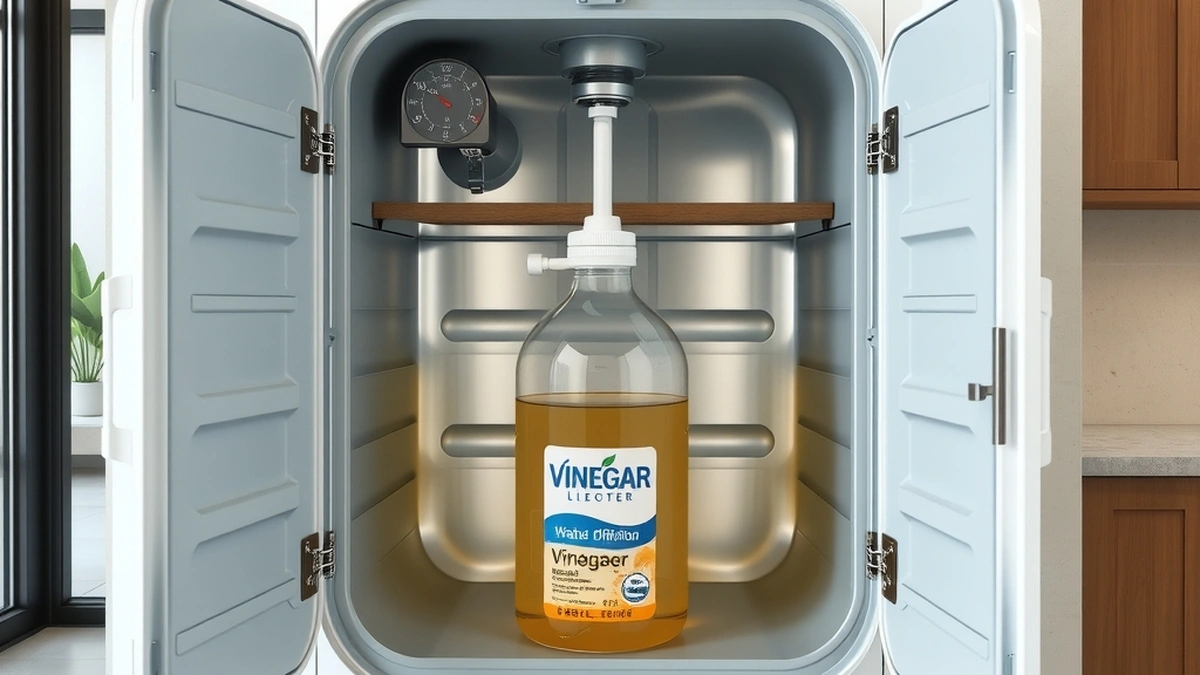
Water distiller maintenance is descaling every 3-5 batches with vinegar, a carbon post-filter every 6 months, and a seal and fan check monthly. Cleaning supplies run $20-$40 per year on top of electricity.
- Descale
- Every 3 - 5 batches
- Carbon filter
- Every 6 months
- Seal check
- Monthly
- Cleaner cost
- $20 - $40 per year
- Batch time
- 3 - 5 hours
Some links on this page are affiliate links.If you buy through them we may earn a commission at no extra cost to you. We do not accept payment for rankings. Read the full disclosure.
Water distiller maintenance is descaling every 3-5 batches, a carbon filter every 6 months, and a monthly seal and fan check. Cleaning supplies cost $20-$40 a year, which is small next to the electricity. The descaling rhythm is what decides how long the unit lasts.
Why scale decides the lifespan
A distiller boils water in a stainless boiler. Every batch leaves behind the minerals that were dissolved in the water, and they bake onto the element and the boiler floor.
Scale insulates the element. The unit takes longer to boil, draws power for more hours, and eventually trips a thermal cutout or burns out the element.
That progression is why descaling frequency matters more than any other maintenance task. A unit cleaned every three batches lasts years; the same unit cleaned twice a year fails early.
The cleaning calendar
| Interval | Task | Cost |
|---|---|---|
| Every batch | Empty and rinse the boiler | $0 |
| Every 3 - 5 batches | Vinegar or citric acid descale | $1 - $2 |
| Monthly | Wipe fan intake, check lid seal | $0 |
| Every 6 months | Replace carbon post-filter | $10 - $20 |
| Annually | Inspect cord, element, and carafe | $0 |
| As needed | Replace lid gasket | $8 - $20 |
A household producing a gallon a day runs about 30 batches a month, which means descaling weekly. That is 52 soaks a year at roughly $1 each, or about $50 in vinegar.
Descaling, step by step
- Unplug the unit and let it cool completely.
- Empty the boiler and wipe out loose sediment.
- Fill with a 50/50 mix of white vinegar and water, or a citric acid solution per the manual.
- Let it sit 30 minutes; longer for heavy scale.
- Scrub the element and floor with a soft brush or nylon pad.
- Rinse twice and run one batch, discarding the water.
- Dry the boiler before the next use.
Do not use steel wool or abrasive pads. A scratched element surface collects scale faster, and the scratches become permanent hot spots.
Do not run a descaling solution through the condenser unless the manual says so. Acid left in the condenser path shows up in the next batch’s taste.
The carbon post-filter
Distillation removes dissolved solids but not all volatile organic compounds. Compounds with boiling points below water can carry over with the steam, which is why many units include a carbon filter on the outlet.
Replace it every six months. A spent carbon filter stops adsorbing and can start releasing what it captured, which produces a flat or slightly chemical taste.
If the unit has no carbon stage, the water will still be low in minerals and metals, just not necessarily low in volatiles. That is a design limitation, not a maintenance failure.
Seal, fan, and electrical checks
The lid gasket keeps steam inside the condenser. A hardened or torn gasket leaks steam, which reduces output and wastes energy.
Check monthly by running a finger around the gasket and looking for cracks. Replace at $8-$20 when it stiffens.
The fan cools the condenser and exhausts warm air. A dusty intake reduces cooling and output. Wipe it monthly with a dry cloth.
Inspect the cord and plug annually for heat damage. A distiller draws 500-800 watts for hours, and a worn cord is a fire risk on a countertop.
Hard water adjustments
Above 7 grains per gallon, descale every 2-3 batches instead of every 5. Above 10 grains, consider using filtered water in the boiler to reduce the load, even though that sounds circular.
A water softener upstream does not remove the minerals from the distiller’s perspective; it exchanges calcium for sodium, and sodium still leaves residue. The residue is softer and easier to rinse, which is a real improvement in cleaning effort.
Reverse osmosis feed water produces almost no scale, which is why some households pair an RO unit with a distiller. That combination costs more to buy and much less to maintain.
What maintenance will not fix
A burnt-out element is not a maintenance item; it is a replacement. A cracked boiler from thermal shock, usually caused by pouring cold water into a hot unit, is also a replacement.
A distiller that produces water with a metallic taste after descaling may have a corroded element or a failing seal. Neither is worth repairing on a $150-$500 unit.
For the setup side, water distiller installation covers placement and power. If you are comparing batch distillation with a membrane system, water distiller versus reverse osmosis lays out the trade in cost and effort. “”
A cleaning kit that fits in one box
The entire maintenance kit for a distiller costs about $25 and fits in a shoebox: a bottle of white vinegar or a bag of citric acid, a soft nylon brush, a spare lid gasket, and one carbon post-filter.
Keep it next to the unit rather than in a garage. Maintenance that requires a trip to find supplies is maintenance that gets deferred, and deferred descaling is what kills elements.
Buy the gasket and filter at the same time as the unit. Proprietary gaskets go out of stock, and a $12 part can sideline a $300 appliance for two weeks.
If the unit lives in a hard water area, buy citric acid in a larger bag. It rinses cleaner than vinegar and does not leave the kitchen smelling like a salad dressing for an hour. Reverse osmosis maintenance covers the membrane alternative if the batch routine becomes a chore.
Frequently asked questions
How often should a water distiller be cleaned?
Every 3-5 batches, or weekly with daily use. Mineral scale on the boiler bottom reduces efficiency and eventually causes the element to overheat.
What is the best way to descale a water distiller?
A 50/50 white vinegar and water soak for 30 minutes, then a soft brush and a thorough rinse. Citric acid works too and rinses cleaner.
Does a distiller need a carbon filter?
Many units include one on the outlet to catch volatile compounds that boiling does not separate. Replace it every 6 months, or the water can pick up a flat, slightly plastic taste.
Why is my distiller taking longer to produce water?
Scale on the boiler or a dusty condenser fan. Descale first, then clean the fan intake and check that the lid seal is not leaking steam.
How long does a countertop distiller last?
Three to five years with regular descaling. Units run in hard water without cleaning often fail at the heating element within two years.
Can I use tap water in a distiller?
Yes, that is the point. Hard water just means more frequent descaling, and very hard water above 10 grains per gallon may need cleaning after every two batches.
Sources
Some links are affiliate links.If you buy through them we may earn a commission at no extra cost to you. We do not accept payment for rankings. Read the full disclosure.