water distiller troubleshooting
Distiller not boiling, slow, leaking, or tasting odd? Check the element, scale, seal, and fan. See causes and $10-$120 fixes.
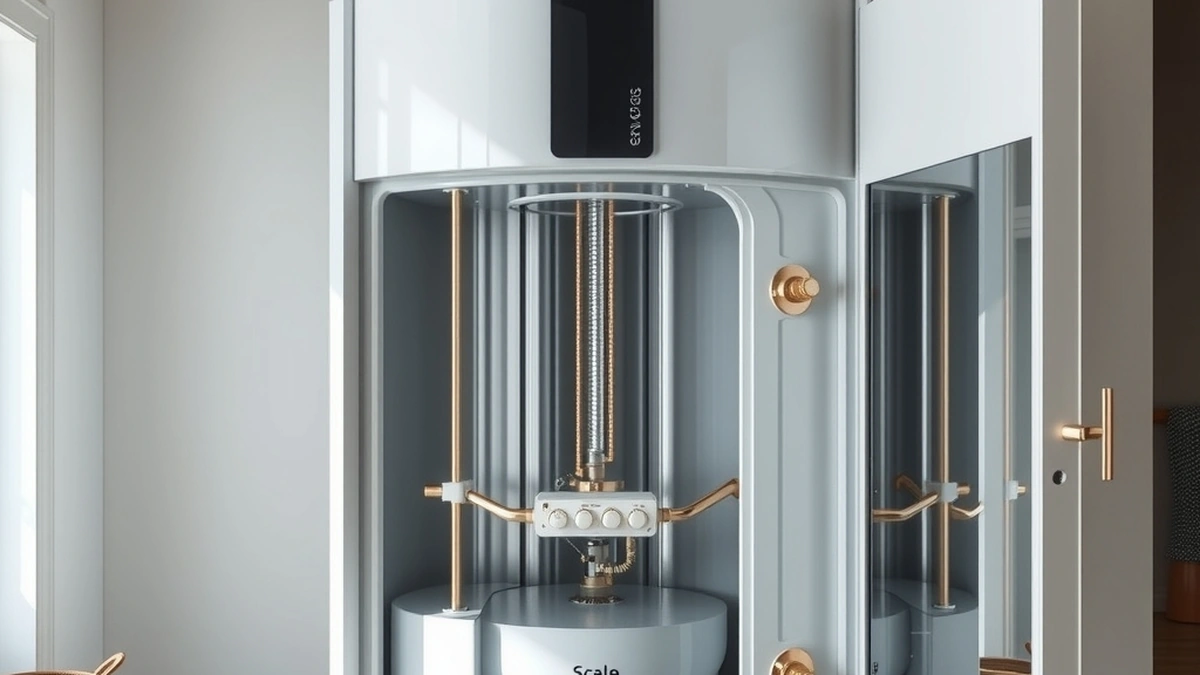
Most distiller problems are scale on the element, a leaking lid gasket, a dusty condenser fan, or a spent carbon filter. Descale first, then check the seal and airflow before suspecting the heating element.
- Descaler
- $5 - $15
- Gasket
- $8 - $20
- Carbon filter
- $10 - $20
- Element repair
- $60 - $120
- Batch time
- 3 - 5 hours
Some links on this page are affiliate links.If you buy through them we may earn a commission at no extra cost to you. We do not accept payment for rankings. Read the full disclosure.
Most distiller problems are scale on the element, a leaking lid gasket, a dusty condenser fan, or a spent carbon filter. Descale first, then check the seal and airflow before suspecting the heating element. A cleaning that costs $5 fixes more units than any part.
Slower batches are the first symptom
A distiller that took four hours and now takes six is telling you the heat transfer has degraded.
Scale insulates the element, so the same wattage produces less steam. The unit still works, which is why people wait months before acting.
The fix is a 30-minute soak in 50/50 vinegar and water, followed by a soft brush on the element and a thorough rinse.
If the time does not improve, the fan or the condenser coil is the next suspect.
The symptom table
| Symptom | Likely cause | Fix |
|---|---|---|
| Slow production | Scale on element | $5 - $15 |
| No heat at all | Thermal cutout or fuse | $0 - $120 |
| Water on the counter | Lid gasket or carafe seat | $8 - $20 |
| Cloudy distillate | Boiler residue | $0 |
| Odd taste | Spent carbon filter | $10 - $20 |
| Fan noisy | Bearing wear or dust | $0 - $60 |
Cloudy distillate right after cleaning is residue that was not rinsed. Run one batch and discard it.
Diagnose in this order
- Confirm power at the outlet and the unit’s switch.
- Check for a resettable thermal cutout on the base.
- Look at the boiler floor and element for scale.
- Inspect the lid gasket for hardening or cracks.
- Clean the fan intake and check that it spins freely.
- Replace the carbon post-filter if the taste is off.
Most units have a thermal cutout that trips when the boiler runs dry. It is a small button on the base or under the lid, and pressing it restores operation.
When the element has failed
An element that does not heat after a reset and a clean is finished. Replacement elements run $40-$80, and the labor is a 30-minute job on units with a removable base.
On a sealed unit, the element is not serviceable and the appliance is a replacement at $150-$500.
Test the element with a multimeter for continuity if you are comfortable doing so. No continuity means an open element, which is a definitive diagnosis.
Leaks
The lid gasket is the usual source. Heat hardens rubber, and a hardened gasket does not seal against steam pressure.
Replace it at $8-$20 and check the seating groove for residue that prevents a flush fit.
A carafe that is not centered under the spout catches most of the water but spills the rest. That looks like a leak at the base and is a placement problem.
A cracked boiler from thermal shock is a replacement. Never pour cold water into a hot unit.
Fan and condenser
The fan moves air across the condenser coil. Dust on the blades and a clogged intake reduce cooling and output.
Wipe the intake monthly with a dry cloth. Do not use water near the electrical housing.
A fan that rattles has a worn bearing. Replacement fans run $20-$60 on units that allow it.
Taste problems
A flat taste is normal for distilled water because minerals are removed.
A plastic or chemical taste points to a spent carbon filter or to the carafe. Replace the filter and wash the carafe with warm soapy water.
A metallic taste after descaling means the rinse was incomplete. Run two batches and discard them.
When to replace the unit
A cracked boiler, a failed element on a sealed base, or a control board fault usually exceeds the value of a $150-$500 appliance.
If the unit is more than five years old and needs an element plus a gasket, replacement is the better arithmetic.
If it needs a $12 gasket and a $1 descale, service it.
What a good batch looks like
A healthy distiller produces clear water with no film and no smell, and the boiler has a light mineral ring that rinses away.
Heavy white crust that requires scraping is scale that was left too long. A brown ring is iron or organic matter from the feed water.
Time a batch once a month and write the number down. Four hours becoming five is the earliest warning of scaling, and it arrives weeks before production collapses.
If the boiler is clean, the fan is clear, and the batch still takes six hours, the element is losing efficiency. That is a slow failure rather than a sudden one, and replacement is the only fix.
Check the carafe for residue too. A film on the glass tastes stronger than the same film in the boiler, because the water sits in contact with it, and a dishwasher cycle does not always remove mineral film. Water distiller versus reverse osmosis covers the alternative if batch labor becomes the real problem.
Prevention
Descale every three to five batches. Rinse the boiler after every use. Clean the fan monthly. Replace the carbon filter every six months.
Keep the unit on a heat-safe surface with clearance on all sides. A distiller pushed against a cabinet runs hotter and slower, and a unit in a corner with no airflow may never reach its rated batch time no matter how clean the boiler is.
Write the descale date on the unit. Three batches pass quickly in a household that drinks a gallon a day. Water distiller maintenance covers the schedule, and water distiller installation covers placement and power. “”
Frequently asked questions
Why is my distiller taking longer to make water?
Scale on the boiler and element is the usual cause, followed by a dusty condenser fan. Descale with vinegar or citric acid and clean the fan intake.
Why is my distiller not boiling at all?
Check the outlet and the thermal cutout first. A unit that tripped a reset button or a fuse will not heat until it is reset or replaced.
Why is water leaking from my distiller?
A hardened or displaced lid gasket, or a carafe that is not seated under the spout. Inspect the gasket for cracks and reseat the carafe.
Why does distilled water taste odd?
A spent carbon filter, or residue in the boiler from incomplete rinsing. Replace the filter and run one batch to discard after cleaning.
Can I use vinegar to descale every time?
Yes, at 50/50 with water. Citric acid rinses cleaner and is preferable if the unit's manual allows it, especially in hard water.
How often should a distiller be descaled?
Every three to five batches, or weekly with daily use. In water above 10 grains per gallon, descale after every two batches.
Sources
Some links are affiliate links.If you buy through them we may earn a commission at no extra cost to you. We do not accept payment for rankings. Read the full disclosure.