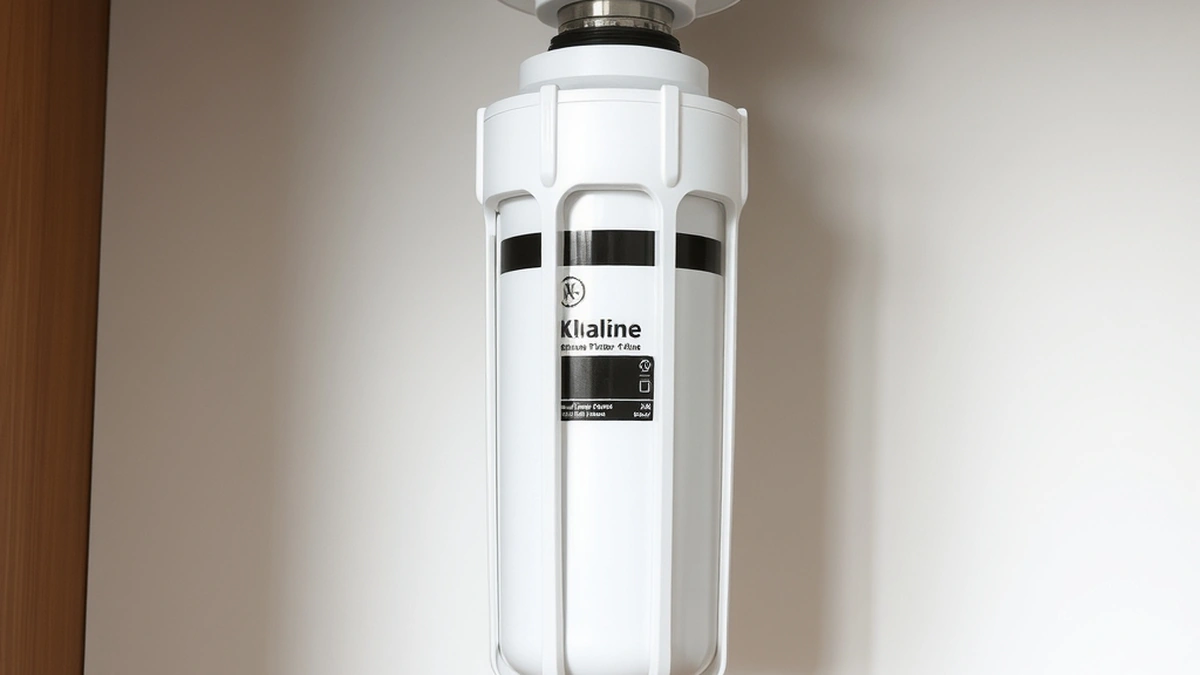
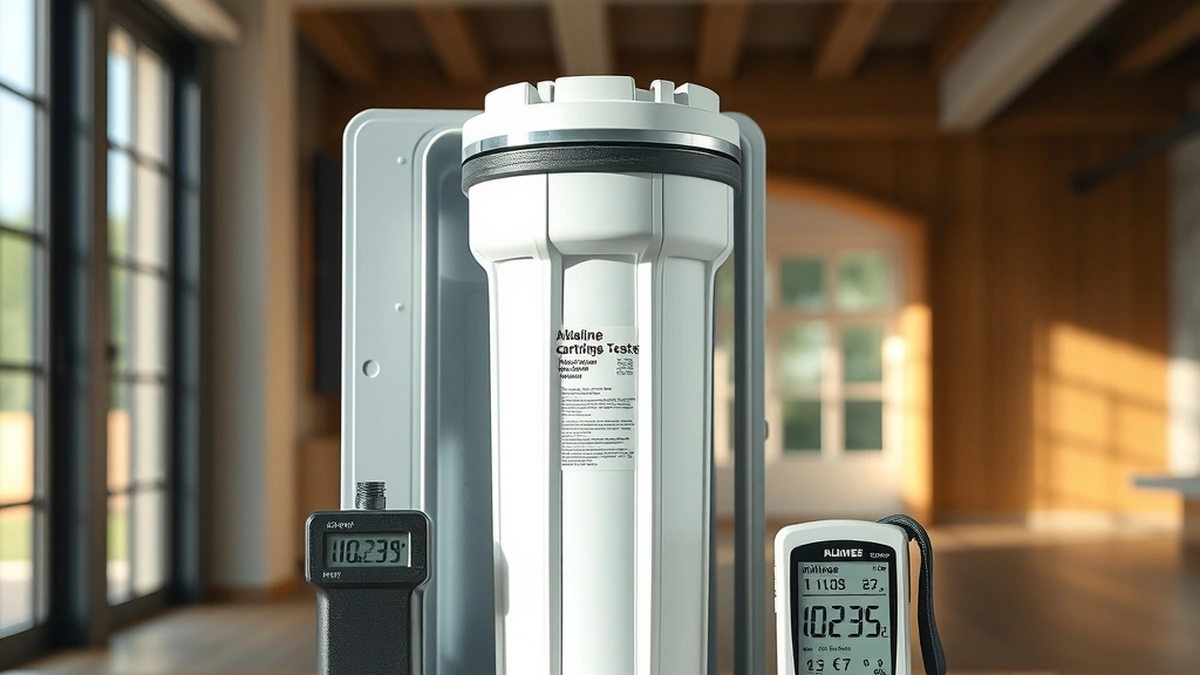
whole house water filter maintenance schedule
Whole house filter maintenance means a sediment change every 3-6 months and carbon every 6-12 months. See the annual calendar and $80-$300 yearly cost.
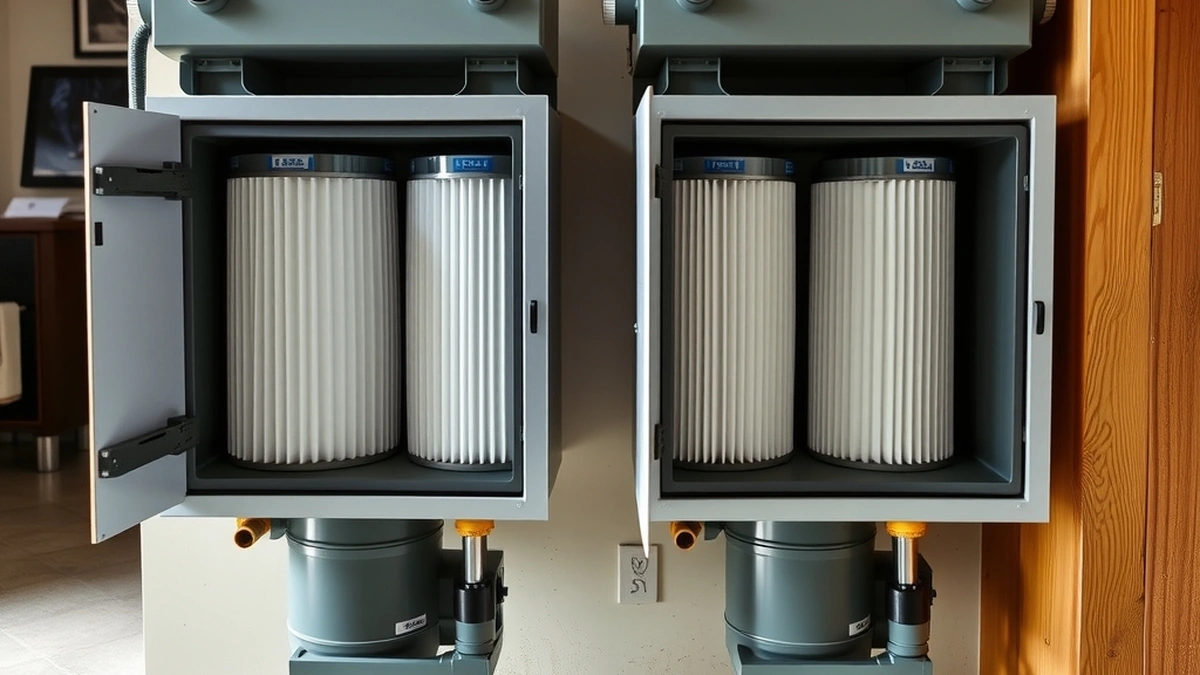
Whole house water filter maintenance is a sediment cartridge every 3-6 months and a carbon cartridge every 6-12 months, with an annual housing inspection. Cartridges cost $80-$300 per year.
- Sediment change
- Every 3 - 6 months
- Carbon change
- Every 6 - 12 months
- Annual cost
- $80 - $300
- O-ring check
- Every change
- Pressure check
- Monthly
Some links on this page are affiliate links.If you buy through them we may earn a commission at no extra cost to you. We do not accept payment for rankings. Read the full disclosure.
Whole house water filter maintenance is two cartridge changes a year plus an inspection, and it costs $80-$300 annually. Sediment goes every 3-6 months, carbon every 6-12, and the housing O-rings get checked at every change. A $20 pressure gauge replaces most of the guesswork.
The two-cartridge rhythm
A whole house water filter is a point-of-entry system, usually with a sediment stage followed by a carbon stage. The stages wear at different rates because they do different jobs.
Sediment cartridges trap particles and load from the outside in. They clog visibly and predictably, usually within 3-6 months on municipal water and faster on a well.
Carbon cartridges adsorb chlorine and taste compounds. They do not clog much; they exhaust chemically, which means they can look fine and still be spent.
That difference is why the schedule is not one interval. Changing carbon on the sediment calendar wastes money, and changing sediment on the carbon calendar risks a clogged housing.
The annual calendar
| Month | Task | Cost |
|---|---|---|
| January | Change sediment cartridge | $10 - $30 |
| January | Inspect O-rings, lubricate with silicone | $2 |
| April | Change sediment cartridge | $10 - $30 |
| April | Check pressure baseline | $0 |
| July | Change carbon cartridge | $25 - $120 |
| July | Change sediment cartridge | $10 - $30 |
| October | Change sediment cartridge | $10 - $30 |
| October | Sanitize sump, check bypass | $5 |
That is four sediment changes and one carbon change per year, which totals $57-$300 depending on cartridge grade and housing size. A 20-inch housing halves the change count.
Reading the pressure gauge
Install a gauge downstream of the housing, or use the one on the pressure tank if the filter sits close to it. Record the reading the day you install a fresh cartridge.
When the reading falls 10 psi at the same flow, the cartridge is loaded. That is a more reliable signal than a calendar, especially on a well where sediment load varies with the season.
A gauge also catches the opposite problem: a filter that never loads and never drops pressure may have a bypass valve partly open, which means the house is drinking untreated water. Check the valve handle position before assuming the water is unusually clean.
Record the readings rather than remembering them. A notebook taped inside the cabinet door costs nothing and shows a trend that a single number cannot: a cartridge that used to last five months and now lasts two is telling you something changed upstream, not that cartridges got worse.
On a well, sediment load rises after heavy rain and in spring melt. Expect one extra change in those months and keep a spare cartridge on the shelf so the change happens on the day you notice rather than the day you drive to the store.
Changing a cartridge, correctly
- Close the main or the housing isolation valves.
- Open a downstream tap to release pressure, then close it.
- Use the supplied wrench on the sump; turn counterclockwise.
- Remove the old cartridge and wipe the sump interior.
- Inspect the O-ring for cracks, lubricate it with silicone grease.
- Seat the new cartridge, hand-tighten the sump, then a quarter turn with the wrench.
- Open the valve slowly and bleed air from a tap.
Two errors dominate: over-tightening the sump until the threads crack, and forgetting to lubricate the O-ring so it pinches and leaks. Both turn a 15-minute job into a parts order.
Sanitizing once a year
Carbon beds support biofilm once chlorine is stripped. A filter that smells musty on the downstream side is growing something in the housing.
Once a year, remove the cartridges, wash the sumps with a mild bleach solution (1 tablespoon per gallon), rinse thoroughly, and reassemble with new cartridges. Run water for 5 minutes before use.
Do not bleach the carbon cartridge itself. It is impossible to rinse out, and the chlorine damages the media.
When to replace more than cartridges
Housings crack, usually from UV exposure or from freezing. A hairline crack weeps at first and then fails, which is why an annual inspection matters.
Bypass valves seize after years of disuse. Exercise them twice a year so they still turn when you need them.
Pressure tanks and pumps are outside the filter’s scope, but a filter that loads in weeks instead of months often points to a problem upstream: a failing pressure tank stirring sediment, a pump cycling hard, or a well screen that is passing fines. Low water pressure causes covers the diagnosis, and sediment in well water explains why the load changes with the season.
One more wear item deserves a mention: the housing itself. Sunlight degrades polypropylene, so a filter installed near a window or outdoors will yellow and craze within a few years. A cover or a shaded location adds years to a $60-$120 part.
Cost over five years
Four sediment changes at $15 and one carbon change at $45 per year is $105 annually. Over five years, $525, plus $30 in O-rings and $20 for a spare sump, equals $575.
A 20-inch two-stage system at $105 per year is the same annual cost with half the change frequency, which is why the larger housing costs more up front and less in labor.
If the water is a well with iron or sulfur, cartridge changes alone will not keep up. Iron filter maintenance and sulfur filter maintenance cover the backwashing equipment that has to sit ahead of the carbon.
Frequently asked questions
How often should a whole house water filter be changed?
Sediment cartridges every 3-6 months and carbon cartridges every 6-12 months. A pressure gauge is a better guide than the calendar: change when the reading drops 10 psi from the clean baseline.
How much does whole house filter maintenance cost per year?
Eighty to three hundred dollars in cartridges, depending on housing size and stage count. O-rings and a spare sump add $15-$30 over several years.
Do I need to shut off the water to change a cartridge?
Yes, unless the housing has its own isolation valves. Close the main or the housing valves, open a downstream tap to release pressure, then unscrew the sump.
What happens if I skip a filter change?
Pressure drops, the carbon bed exhausts, and chlorine passes downstream. A spent carbon cartridge can also harbor biofilm, which is worse than no cartridge at all.
How do I know which cartridge is which?
Sediment cartridges are pleated or spun and usually white; carbon blocks are solid and dark. The housing order is sediment first, carbon second, always.
Can I clean and reuse a sediment cartridge?
Pleated cartridges can be rinsed once or twice to extend life by a few weeks. Spun-bond cartridges cannot be cleaned and should be replaced when loaded.
Sources
Some links are affiliate links.If you buy through them we may earn a commission at no extra cost to you. We do not accept payment for rankings. Read the full disclosure.