whole house water filter troubleshooting
Low pressure or bad taste after a filter change? Check cartridge seating, O-rings, bypass, and micron order. See the diagnostic order and costs.
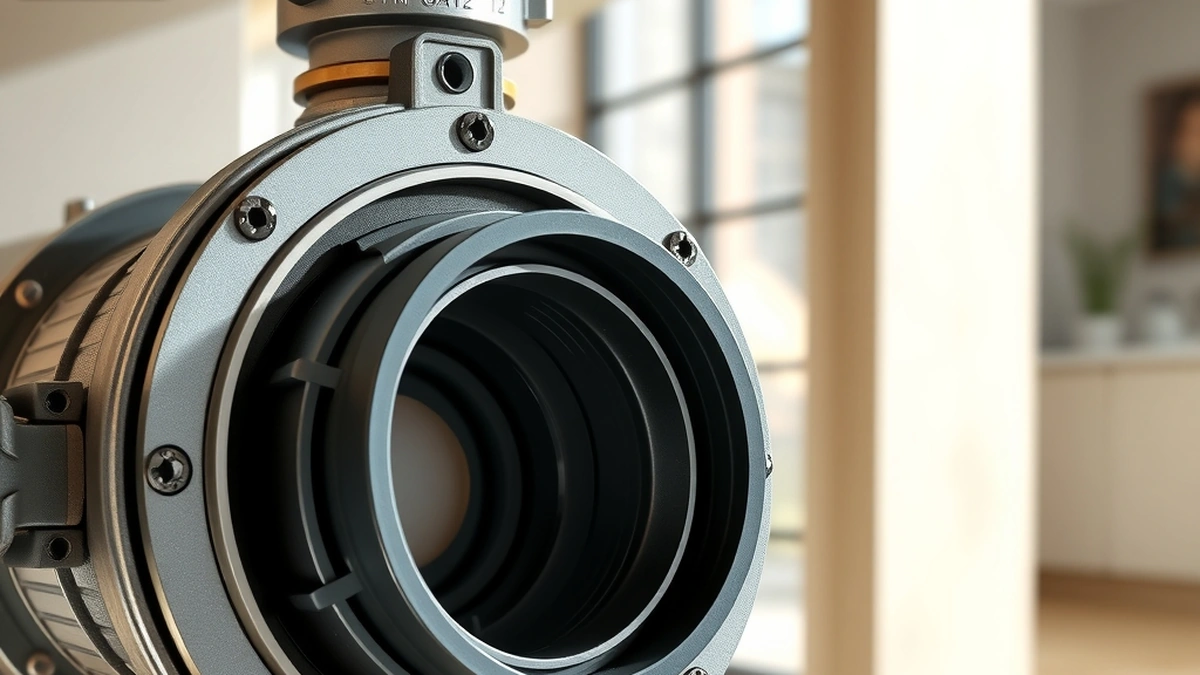
Whole house filter problems usually come from a cartridge seated wrong, a pinched O-ring, a bypass valve left open, or stages installed in the wrong order. Check those four before replacing the housing.
- Pressure drop
- 3 - 8 psi clean
- Change interval
- 3 - 12 months
- O-ring cost
- $3 - $10
- Housing cost
- $40 - $120
- Typical repair
- $20 - $150
Some links on this page are affiliate links.If you buy through them we may earn a commission at no extra cost to you. We do not accept payment for rankings. Read the full disclosure.
Whole house filter problems usually come from four things: a cartridge seated wrong, a pinched O-ring, a bypass valve left open, or stages installed in the wrong order. All four are checkable in 20 minutes with no tools beyond a wrench and a towel.
Start with what changed
A filter that worked for a year and then misbehaved after a cartridge change points at the change, not the housing.
A filter that degraded gradually points at loading, not installation.
A filter that never worked well points at sizing or stage order from day one.
Sorting the problem by timeline eliminates half the possible causes before you open anything.
The symptom table
| Symptom | First suspect | Cost to fix |
|---|---|---|
| Low pressure after change | Cartridge not seated or air lock | $0 |
| Leak at the sump | O-ring pinched or dry | $3 - $10 |
| No chlorine removal | Carbon exhausted | $25 - $120 |
| Untreated water everywhere | Bypass valve open | $0 |
| Sediment past the filter | Cartridge order reversed | $0 - $30 |
| Water cloudy after change | Carbon fines | $0 |
Cloudy water immediately after a change is normal and clears in two or three gallons. Cloudy water that persists for a day is a seating problem.
Diagnose in this order
- Confirm the bypass valves are in the service position.
- Open a downstream tap and listen for air, then run five minutes.
- Check the sump for weeping and the O-ring for pinching.
- Confirm the cartridge is the right size and fully seated.
- Confirm sediment is upstream of carbon.
- Check the pressure gauge against the clean baseline.
The bypass check costs nothing and solves a surprising number of complaints. A valve handle at 45 degrees sends water past the filter and looks closed from a distance.
Reading the pressure gauge
A clean two-stage system drops 3-8 psi. A loaded cartridge can drop 15-20 psi.
If the gauge reads the same as the incoming pressure with a cartridge installed, water is bypassing the filter. That is either a valve position or a failed internal seal.
If the gauge drops sharply within days of a change, the cartridge is too fine for the sediment load. Move to a coarser first stage.
The four common fixes
Reseating the cartridge solves most pressure complaints. Push it down until it seats on the spigot, then thread the sump on by hand.
Replacing the O-ring solves leaks. A $3 part, lubricated with silicone grease, prevents the most common water damage in a utility room.
Setting the bypass correctly solves “the filter does nothing.”
Reordering the cartridges solves sediment reaching the taps. Sediment goes first, always.
When the housing is the problem
A cracked sump is a replacement at $40-$120. Cracks usually start at the threads after years of over-tightening.
A cracked head is a bigger replacement, and often means the whole unit is due.
A housing that has been frozen will usually show a split along the body. That is not repairable.
If the housing is more than 10 years old and has yellowed, replace it. Polypropylene degrades with chlorine and UV exposure, and a brittle housing fails under pressure.
Sizing problems that look like faults
A 10-inch housing on a 15 GPM line will always show pressure drop, even with a fresh cartridge. That is physics, not a defect.
A 1-micron cartridge on a well with visible sediment will load in days. That is the wrong rating for the application.
A two-stage system with both stages at 5 microns doubles the restriction for little benefit. Sediment should be coarser than carbon.
When the problem is upstream
A filter that loads in weeks instead of months is telling you something about the water, not the cartridge.
Sediment that appears after rain often means a compromised well casing or grout. Sediment that appears constantly can mean a failing pressure tank stirring up iron and manganese.
Rust-colored water after plumbing work is normal for a day. Rust-colored water that persists is iron, and a sediment cartridge will catch the particles while the dissolved load continues.
If the water is hard, a filter does not change that, and scale will still form in the water heater. If the water smells of sulfur, carbon will exhaust in weeks. Both are upstream problems with their own equipment. Iron filter troubleshooting covers the first, and sulfur filter troubleshooting covers the second.
Prevention
Keep a spare cartridge and a spare O-ring on the shelf. Both are cheap and both prevent an emergency.
Write the install date on the housing. A filter changed on schedule performs better than one changed when someone notices.
Install a pressure gauge if the system does not have one. It converts guesswork into a reading.
Exercise the bypass valves twice a year so they still turn when you need them.
When to call a plumber
Call when the leak is at a soldered joint rather than the housing, when the main shutoff will not close, or when the housing is installed in a location you cannot safely work in.
Call if the pressure drop persists after a cartridge change and a bypass check. That points to a restriction elsewhere in the plumbing.
Call if the water is discolored after the filter and the cartridge order is correct. That suggests a problem upstream of the filter, not in it. Whole house filter change covers the procedure, and whole house water filter maintenance covers the interval. “”
Frequently asked questions
Why did my water pressure drop after changing the filter?
Usually a cartridge that is not fully seated, an air lock, or a cartridge with a tighter micron rating than the old one. Run water for five minutes to clear air, then check the seating.
Why is my filter housing leaking after a change?
A pinched, dry, or missing O-ring, or a sump that was cross-threaded. Remove it, lubricate the ring with silicone grease, and reseat it squarely by hand.
Why does my water taste bad after a filter change?
Carbon fines and air in the line. Run two to three gallons through a downstream tap. If the taste persists, the cartridge may be installed backward or the wrong type.
Can a whole house filter reduce flow too much?
Yes. A 1-micron cartridge on a high-flow line can drop 15 psi or more. Match the micron rating to the load, and use a 20-inch housing for more surface area.
Why is my filter not removing chlorine anymore?
The carbon stage is exhausted. Carbon fails chemically rather than visibly, so a cartridge can look clean and still pass chlorine.
Does a whole house filter need a bypass?
Yes. A bypass lets you service cartridges without shutting water off to the house, and it lets you isolate the filter if a housing fails.
Sources
Some links are affiliate links.If you buy through them we may earn a commission at no extra cost to you. We do not accept payment for rankings. Read the full disclosure.