sediment filter maintenance schedule
Sediment filter maintenance is a cartridge every 3-6 months, or sooner on a well. See the pressure rule, housing care, and $40-$180 annual cost.
Sediment filter maintenance is a cartridge change every 3-6 months on municipal water and every 4-8 weeks on a well. Change when pressure drops 10 psi from the clean baseline, not only on the calendar.
- Municipal interval
- 3 - 6 months
- Well interval
- 4 - 8 weeks
- Annual cost
- $40 - $180
- Pressure trigger
- 10 psi drop
- O-ring
- Each change
Some links on this page are affiliate links.If you buy through them we may earn a commission at no extra cost to you. We do not accept payment for rankings. Read the full disclosure.
Sediment filter maintenance is a cartridge change every 3-6 months on municipal water and every 4-8 weeks on a well. The cartridge costs $10-$30, and the annual total runs $40-$180. Pressure, not the calendar, is the honest trigger.
What the cartridge is doing
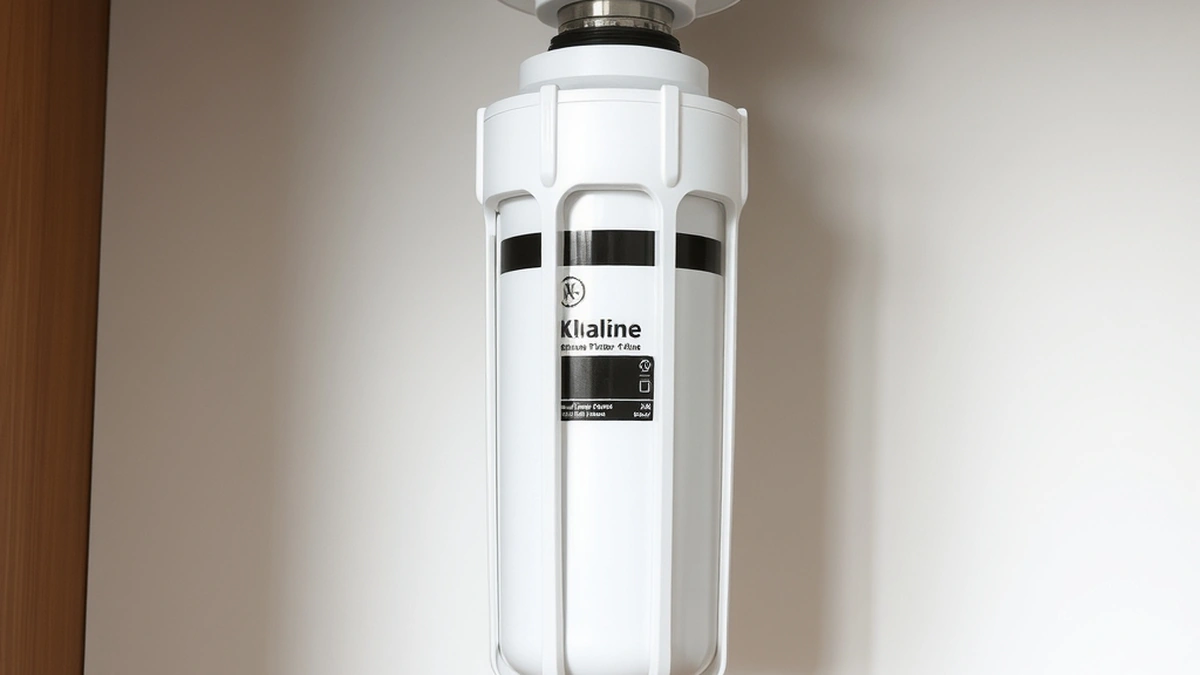
A sediment filter traps particles larger than its micron rating: sand, rust, pipe scale, and grit. It protects everything downstream, including carbon cartridges, softener valves, and UV sleeves.
The cartridge loads from the outside in. As the pore spaces fill, the pressure drop across the housing rises, and flow at the fixtures falls.
That pressure curve is the maintenance signal. A calendar works as a default, but a gauge tells you when the cartridge is actually spent.
The schedule
| Situation | Interval | Annual cartridges |
|---|---|---|
| Municipal, low sediment | 6 months | 2 |
| Municipal, older pipes | 3 - 4 months | 3 - 4 |
| Well, light sediment | 3 months | 4 |
| Well, heavy sediment | 4 - 8 weeks | 6 - 12 |
| After well work or flooding | Immediately | 1 - 2 extra |
A well that needs a cartridge every month is not a filter problem. It is a signal that the well is producing fines, or that iron and manganese are precipitating in the line.
The pressure rule
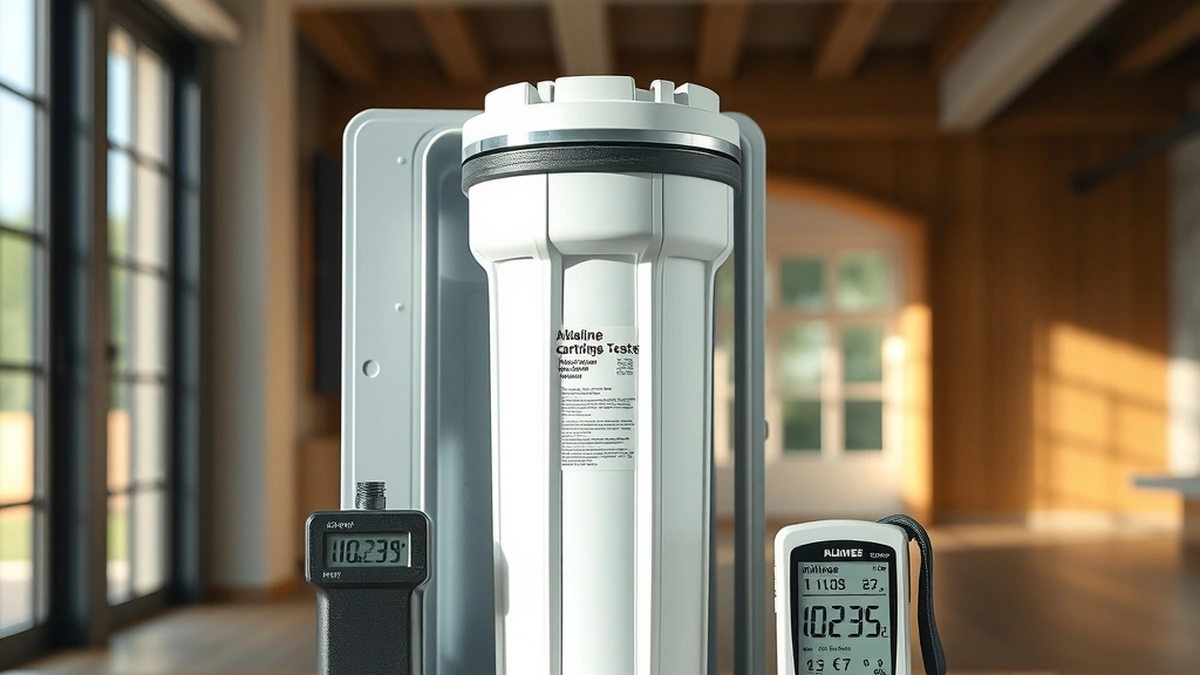
Install a $15-$25 gauge downstream of the housing, or use the gauge on the pressure tank if the filter is close. Record the reading with a fresh cartridge at a known flow.
Change the cartridge when the reading falls 10 psi. That is roughly when flow at the far shower becomes noticeable and when the cartridge is at the end of its useful life.
A cartridge that never drops pressure may be bypassing. Check the O-ring and the sump seating, and confirm the flow direction through the housing.
A cartridge that drops pressure in a week is overloaded. Move to a coarser micron rating for the first stage, or add a spin-down pre-filter ahead of the housing.
Changing it cleanly
- Close the main or the housing isolation valves.
- Open a downstream tap to release pressure.
- Unscrew the sump with the supplied wrench.
- Lift out the cartridge and wipe the sump.
- Inspect and lubricate the O-ring with silicone grease.
- Seat the new cartridge and hand-tighten the sump plus a quarter turn.
- Open the valve slowly and bleed air at a tap.
Two habits prevent most problems: never use a wrench past hand-tight on a plastic sump, and always lubricate the O-ring. A dry ring pinches, and a pinched ring leaks.
Housing care
Polypropylene housings degrade in sunlight. A housing near a window or outdoors yellows and crazes, and a crazed housing fails under pressure.
Freezing cracks a sump full of water. A filter in an unheated garage needs to be drained before winter or insulated with the space kept above freezing.
Clean the sump once a year with a mild bleach solution, 1 tablespoon per gallon, and rinse thoroughly. Biofilm grows on the housing walls even when the cartridge is changed on schedule.
When the sediment is not sediment
Rust-colored sediment is usually iron. Black sediment is often manganese. Fine grit that settles in a glass is sand or well fines.
Iron and manganese need oxidation and filtration, not a finer cartridge. A 1-micron cartridge will catch the particles and clog weekly, which is an expensive way to avoid fixing the source.
If the sediment appears only after rain, the well casing or the grout may be compromised. Sediment in well water covers what the color and settling behavior indicate, and shock chlorinate well explains the disinfection step after any work on the well.
Cost over five years
A municipal home changing four cartridges a year at $15 is $60 annually, or $300 over five years, plus $20 in O-rings.
A well changing twelve cartridges a year at $15 is $180 annually, or $900 over five years. At that point a $600-$1,500 backwashing filter starts to pay for itself in cartridges alone.
For the installation side, sediment filter installation covers the housing and micron choice. And if the cartridge keeps loading with rust, iron filter maintenance covers the equipment that solves it.
Working out your own interval
The published intervals are averages. Your water sets the real number, and two measurements establish it.
First, note the date and the pressure reading when the cartridge is fresh. Second, note the date when the reading falls 10 psi. The gap between them is your interval, and it will be consistent within a few weeks.
Repeat that for three changes and you have a schedule that fits your water rather than a generic recommendation. A municipal home might find a seven-month interval; a well might find six weeks.
Keep one spare cartridge on the shelf at all times. The cost of a spare is $10-$30, and the cost of running a loaded cartridge for a month is sediment in the softener valve and the water heater.
A shrinking interval also changes the economics of the housing itself. A 10-inch housing holding 100 grams of media is cheap to run at four changes a year and expensive at twelve; a 20-inch housing costs $30-$70 more up front and roughly doubles the time between changes, which is usually the better trade on a well.
If the interval keeps shrinking, stop buying cartridges and start looking upstream. Whole house water filter maintenance explains how the stages interact, and a backwashing filter may be the cheaper answer over five years.
Frequently asked questions
How often should a sediment filter be changed?
Every 3-6 months on municipal water and every 4-8 weeks on a well with visible sediment. A 10 psi drop from the clean pressure reading is the signal to change it sooner.
How much does sediment filter maintenance cost per year?
Forty to one hundred eighty dollars in cartridges, plus $10-$20 for O-rings every few years. A well with heavy sediment sits at the top of the range.
Can I clean a sediment cartridge instead of replacing it?
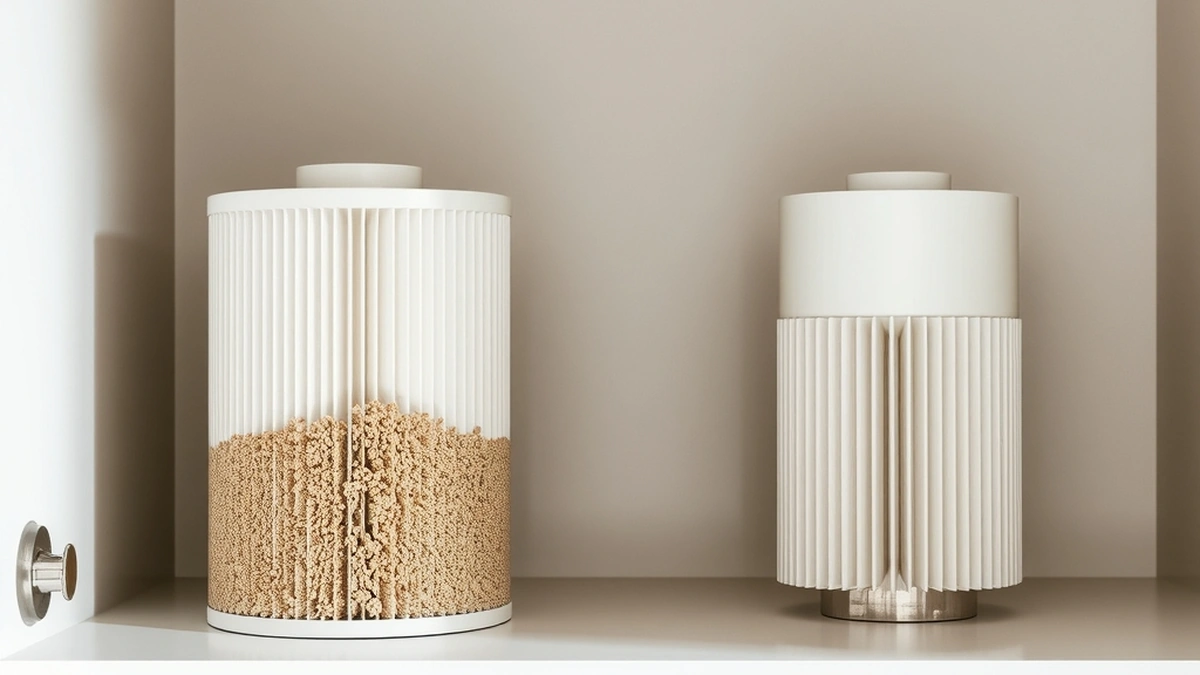
Pleated cartridges can be rinsed once or twice, which extends life by a few weeks. Spun-bond cartridges cannot be cleaned effectively and should be replaced.
Why does my sediment filter clog so fast?
Usually iron, manganese, or a well screen passing fines. A filter catching that material is doing its job; the fix is upstream treatment, not a coarser cartridge.
What happens if the sediment filter is left too long?
Pressure drops, flow falls, and the cartridge can bypass or collapse. A collapsed cartridge sends sediment downstream into valves and appliances.
Do I need to sanitize the housing at each change?
Wipe it and rinse with clean water at every change. Once a year, use a mild bleach solution and rinse thoroughly to control biofilm.
Sources
Some links are affiliate links.If you buy through them we may earn a commission at no extra cost to you. We do not accept payment for rankings. Read the full disclosure.