sediment filter troubleshooting
Cartridge clogging weekly, pressure dropping, or sediment still passing? Check micron rating, order, and housing seal. See causes and $10-$150 fixes.
Sediment filter problems are usually the wrong micron rating, a reversed cartridge, a bypassing O-ring, or sediment that is really iron. Fix the rating and the order first; most solutions cost under $50.
- Cartridge
- $5 - $30
- O-ring
- $3 - $10
- Housing
- $40 - $120
- Pressure trigger
- 10 psi drop
- Typical fix
- $10 - $50
Some links on this page are affiliate links.If you buy through them we may earn a commission at no extra cost to you. We do not accept payment for rankings. Read the full disclosure.
Sediment filter problems are usually the wrong micron rating, a cartridge installed backward, a bypassing O-ring, or sediment that is actually iron. Fix the rating and the order first. Most solutions cost under $50 and take 20 minutes.
Clogging too fast
A cartridge that loads in weeks instead of months is either too fine for the load or catching something that is not sediment.
A 1-micron cartridge on a well with visible grit is doing its job and doing it too well. Move to 5 microns for the first stage and add a second stage if needed.
Iron and manganese precipitate in the line and look like sediment. A cartridge catches the particles, but the dissolved load continues, and the cartridge loads again within days.
If the material is rust-colored, test for iron. A sediment filter is not an iron filter.
The symptom table
| Symptom | Likely cause | Fix |
|---|---|---|
| Clogs in weeks | Rating too fine | $10 - $30 |
| Sediment past filter | Unseated cartridge or O-ring | $3 - $10 |
| Pressure drop after change | Air lock or tighter rating | $0 |
| Leak at sump | Pinched O-ring | $3 - $10 |
| Cracked sump | Overtightened | $20 - $50 |
| Flow low at one tap | Clogged aerator downstream | $0 |
A clogged aerator at one faucet looks like a filter problem and costs nothing to fix. Check the tap before the housing.
Diagnose in this order
- Look at the water in a clear glass for color and settling.
- Confirm the cartridge’s micron rating and model.
- Check the flow arrow and the seating.
- Inspect the O-ring and the sump threads.
- Test the pressure before and after the housing.
- Test for iron if the sediment is rust-colored.
The glass test is the cheapest diagnostic in water treatment, and it costs nothing beyond a minute of waiting for the particles to settle. Brown settling material and grey grit need different answers.
Reading the cartridge
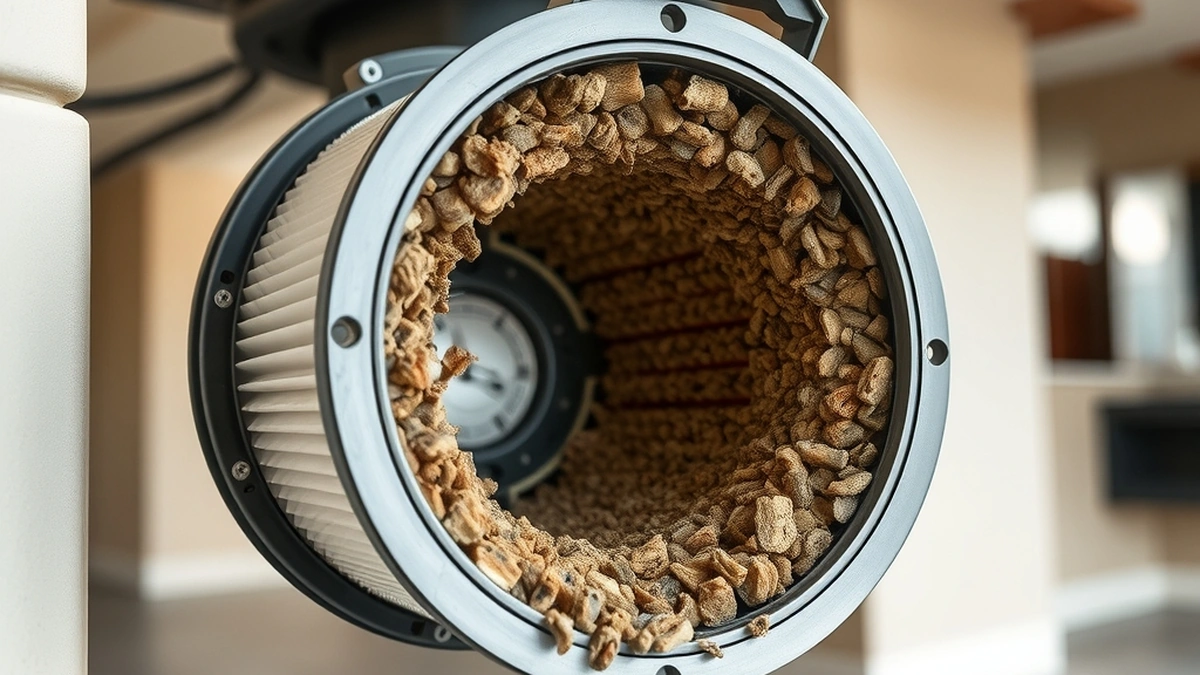
A loaded cartridge tells you what it caught. Grey or black grit is carbon or manganese. Rust-red is iron. White or tan is hardness scale or clay.
Cut a spent spun cartridge open and look at where the dirt sits. If it is concentrated on the outer surface, the cartridge is doing its job. If it runs all the way through, the rating is too coarse for the load.
Pressure and flow
A clean cartridge drops 2-5 psi. A loaded one can drop 15-20 psi.
If the gauge reads the same as incoming pressure with a cartridge installed, water is bypassing. That is a seating or O-ring problem.
If pressure drops immediately after a change, the new cartridge is tighter than the old one. That is normal but should be measured, not assumed.
If pressure drops over a week, something upstream is shedding material. Check for plumbing work, a failing pressure tank, or a well screen passing fines.
Leaks and housings
A leaking sump is almost always the O-ring. Lubricate with silicone grease, reseat, and hand-tighten.
A cracked sump comes from overtightening over years. Replace it at $20-$50; do not try to seal it.
A cracked head means a new housing at $40-$120. Housings more than 10 years old have brittle plastic and should be replaced proactively.
When the sediment is iron
Rust-colored sediment that returns within days is iron, and a mechanical filter cannot fix it.
Iron above 2-3 ppm needs oxidation and filtration at the entry point. A cartridge in front of that protects the treatment equipment, but it is not the treatment.
If the iron is below 2-3 ppm and hardness is present, a softener may handle both. Iron in well water explains the test values.
When the housing is undersized
A 10-inch housing on a high-flow line will always look like a failing filter. The cartridge loads faster because it is passing more water, and the pressure drop is larger because the housing is smaller.
Two changes fix it. A 20-inch housing doubles the surface area and roughly doubles the interval between changes. A 1-inch body reduces pressure loss at the same flow.
If neither is possible in the space, a dual-gradient cartridge holds more dirt in the same housing, and a spin-down pre-filter ahead of it catches the coarse material before it reaches the cartridge.
Measure the flow at a fixture with a bucket before deciding the housing is at fault. A 5-gallon bucket filled in 30 seconds is 10 GPM, which is more than a 10-inch housing handles comfortably. Sediment filter installation covers housing sizing, and whole house water filter troubleshooting covers the multi-stage version.
Prevention
Match the micron rating to the load, not the marketing. Coarser first, finer second.
Buy two spare cartridges. A change delayed by a shopping trip is a month of loaded filtration.
Install a pressure gauge. It converts guesswork into a number you can act on.
Sanitize the housing once a year with a mild bleach solution and rinse thoroughly, and check the sump threads for wear each time. Worn threads let the sump cross-thread, which is how most housings die. Biofilm grows on the walls even with regular changes. Sediment filter maintenance covers the interval, and sediment filter micron ratings maps particle sizes to ratings. “”
Frequently asked questions
Why does my sediment filter clog so fast?
Usually a micron rating that is too fine for the load, or sediment that is actually iron or manganese precipitating in the line. Move coarser and check for iron.
Why is sediment still getting through the filter?
A cartridge that is not seated, a bypassing O-ring, a cracked housing, or a cartridge installed in the wrong direction. Check the seal before the rating.
Why did my water pressure drop after changing the filter?
A tighter micron rating than the old cartridge, an air lock, or a cartridge that is not fully seated. Run water for five minutes, then check the seating.
How often should a sediment cartridge be changed?
Every 3-6 months on municipal water and every 4-8 weeks on a well. A 10 psi drop from the clean baseline is the signal to change it sooner.
Can I clean and reuse a pleated cartridge?
Yes, once or twice, by rinsing with a hose. Spun-bond cartridges cannot be cleaned and should be replaced.
Why is my filter housing leaking?
A pinched or dry O-ring, a cracked sump, or cross-threading. Lubricate the ring with silicone grease and hand-tighten only.
Sources
Some links are affiliate links.If you buy through them we may earn a commission at no extra cost to you. We do not accept payment for rankings. Read the full disclosure.